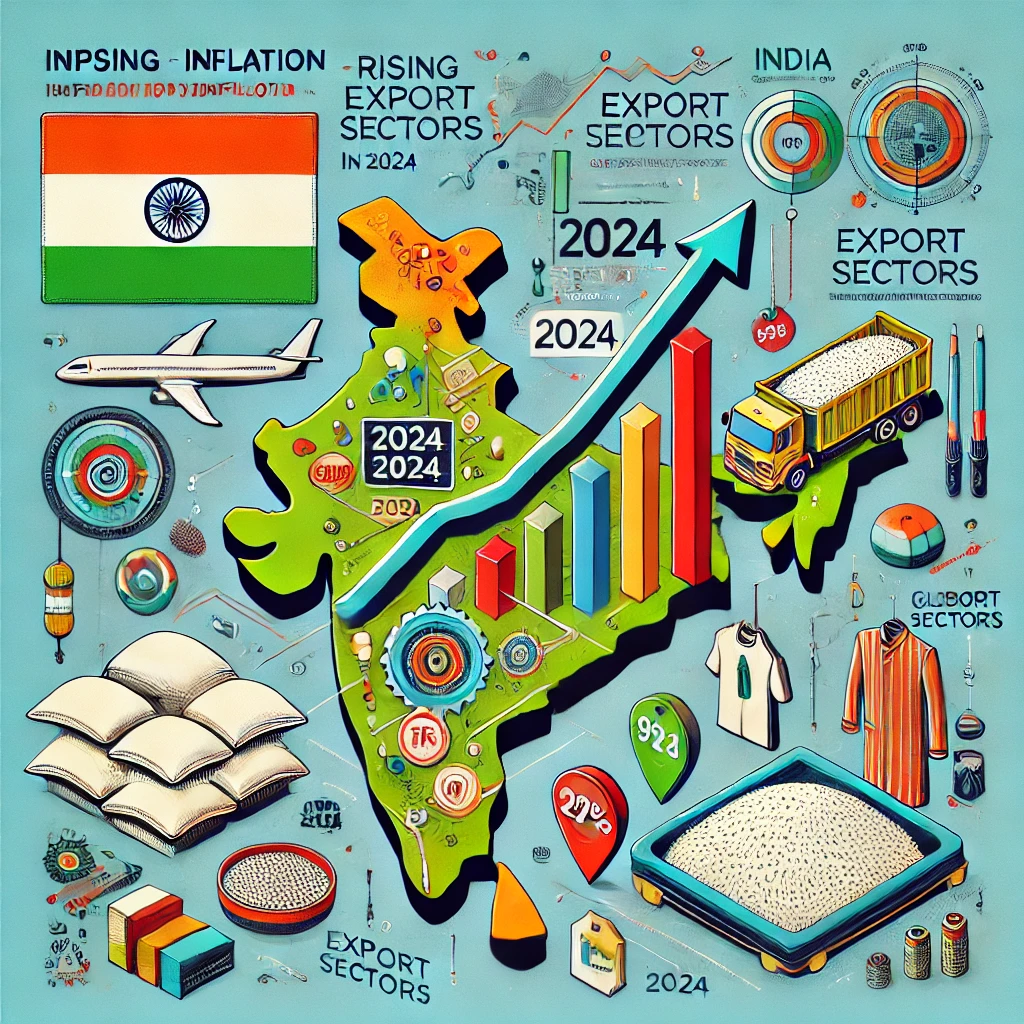
The Impact of Inflation on Indian Exports in 2024

buildings during day

Introduction to Inflation and Exports

Inflation is defined as the rate at which the general level of prices for goods and services rises, eroding purchasing power.

It is typically measured by indices, such as the Consumer Price Index (CPI) and the Producer Price Index (PPI), which track price changes over time.

In the context of the global economy, inflation plays a crucial role as it impacts economic growth, investment decisions, and international trade dynamics.

When inflation rises, the cost of inputs for production increases, which can lead to reduced profitability and competitiveness in the market.

In India, understanding inflation is integral to studying the country’s export dynamics.

The nation has established itself as a significant player in the global export market, with exports ranging from textiles to information technology services.

However, rising inflation in 2024 has raised concerns as it affects multiple layers of the export sector.

When domestic prices increase, the cost of manufacturing rises, which, in turn, influences the pricing of exported goods.

If Indian goods become more expensive on the international market due to inflation, Indian exporters may struggle to maintain their market share against competitors from countries with lower inflation rates.

Furthermore, higher domestic inflation can also impact the exchange rate, as investors may seek better returns in markets where inflation is lower.

A depreciating currency can mean that while exports may be cheaper for foreign buyers, the overall input costs for exporters remain elevated.

This dual effect of inflation presents challenges and complexities for Indian exporters, who must navigate both domestic economic conditions and global market dynamics.

As we move further into 2024, understanding the interplay between inflation and export capabilities will be critical for stakeholders across various industries.

Current State of the Indian Economy

As of 2024, the Indian economy is exhibiting a complex interplay of growth and inflationary pressures, shaping the landscape for businesses and exporters.

Recent statistics indicate that India is grappling with an inflation rate hovering around 6%, which marks a noticeable increase compared to previous years.

This rise can be attributed to multiple factors, including supply chain disruptions and rising oil prices, which have a consequential impact on the cost of goods.

Additionally, global economic trends, such as post-pandemic recovery and geopolitical tensions, are exacerbating inflationary trends, further complicating the economic landscape.

The government has been proactive in addressing these challenges, implementing various measures aimed at stabilizing prices and supporting sectors most affected by inflation.

For instance, initiatives to improve agricultural productivity are crucial as food prices significantly influence the overall inflation rate.

Additionally, policy adjustments focused on enhancing manufacturing capabilities aim to facilitate a smoother export from India by reducing production costs and improving efficiency.

Furthermore, the Reserve Bank of India has responded to the inflationary environment by adopting a cautious monetary policy, raising interest rates to curb consumer spending and borrowing.

While these measures are necessary to control inflation, they may inadvertently impact the ability of businesses to invest and expand their operations, thereby influencing the capacity for export from India.

Forecasts suggest that while inflation may remain a concern in the near term, continued government intervention and improvement in global supply chains could create a more favorable environment for exporters.

It is crucial for stakeholders to remain vigilant and adaptable to navigate the challenges posed by inflation which could impact the dynamics of the Indian export market in 2024.

Inflation’s Impact on Production Costs

Inflation is a critical factor affecting various sectors of the economy, and the export industry in India is no exception.

As inflation rates rise, they have a direct implication on production costs, which significantly impacts exporters’ profitability and competitiveness in the global market. One of the primary components of production costs is the price of raw materials.

As inflation drives up the costs of these essential inputs, exporters may face difficulty maintaining their profit margins when they are obligated to sell their final products at competitive prices.

In addition to raw materials, labor costs are also influenced by inflation. Rising wages, often a response to higher living costs, can further strain the financial capabilities of exporters in India.

Businesses are compelled to pass on these increased labor costs to consumers, which may lead to inflated prices for end products.

Consequently, when Indian goods become more expensive than those from countries with lower inflation rates, the competitiveness of exports from India diminishes.

This is especially true in price-sensitive markets, where consumers may opt for cheaper alternatives from other nations.

Moreover, logistics expenses, including transportation, shipping, and warehousing, are also subject to inflationary pressures.

As these logistics costs escalate, exporters may find it increasingly challenging to manage their supply chains effectively without significantly hiking prices.

In many cases, logistics providers will adjust their prices in response to rising fuel costs, tariffs, or other inflation-linked charges, compounding the challenges faced by exporters.

Overall, the interplay between inflation and production costs is intricate.

As exporters in India navigate these rising expenses, they must adopt strategies that enable them to remain competitive while safeguarding their profit margins.

Understanding these dynamics is critical for businesses involved in the export from India, as they seek to adapt and thrive amid changing economic conditions.

Currency Fluctuations and Export Pricing

In the context of inflation, currency fluctuations play a pivotal role in shaping the landscape of exports from India. As inflation rises, the value of the Indian Rupee can witness significant depreciation against major currencies.

This depreciation can occur as investors lose confidence in the domestic economy, prompting a shift of capital to foreign assets.

For exporters, a weaker Rupee may initially seem beneficial, as it can make Indian goods more competitively priced in international markets.

However, this advantage can be offset by rising costs of imported raw materials, which are critical for manufacturing processes.

Furthermore, the fluctuation in currency value directly impacts the pricing strategies employed by exporters.

When the Rupee depreciates, exporters must evaluate how much they can raise their prices without losing competitive edge.

Effective pricing strategies must consider not only the immediate currency changes but also broader economic conditions that could affect demand for Indian products abroad.

For instance, if inflation leads to increased production costs, exporters may face dilemmas in maintaining price competitiveness while securing their profit margins.

The dynamics of foreign exchange earnings are also influenced by inflation-induced depreciation.

While a weaker Rupee may enhance foreign currency revenues, it can simultaneously elevate the cost base in local currency terms.

As such, the net effect of currency fluctuations on export profitability becomes a complex calculation that exporters must navigate.

In summary, Indian exporters in 2024 will need to employ vigilant strategies to adapt to the challenges posed by inflation and currency fluctuations, ensuring sustainable profitability and maintaining their position in the global marketplace.

This balancing act will be crucial for the growth of the export sector from India amidst rising inflationary pressures.

Sector-Specific Impacts on Exports

The influence of inflation on Indian exports has generated significant challenges across various sectors, with textiles, pharmaceuticals, and agriculture being particularly affected.

As inflation rates continue to rise, these industries are grappling with increased production costs, which directly impacts their competitiveness in the global market.

In the textiles sector, rising prices for raw materials, including cotton and synthetic fibers, have necessitated a reevaluation of pricing strategies.

Indian textile manufacturers are facing pressure to maintain quality while simultaneously managing costs. As a response, many are exploring innovations in production techniques and investing in sustainable practices.

This shift not only helps mitigate the adverse effects of inflation but also positions Indian textiles favorably in the international market, appealing to environmentally conscious consumers.

The pharmaceutical industry, on the other hand, is experiencing inflationary pressure through increased costs of research and development, raw materials, and regulatory compliance.

Indian pharmaceutical exporters are adjusting by optimizing their supply chains and seeking cost-effective sourcing strategies.

Additionally, there is a growing focus on exporting generic medications, which remains a stronghold for Indian pharmaceutical companies.

By emphasizing efficiency and leveraging the country’s robust production capabilities, the sector aims to maintain its prominent position in the global export landscape.

Lastly, agriculture remains a cornerstone of India’s export economy, yet inflation presents unique challenges.

The rising costs of fertilizers, seeds, and labor have led farmers and exporters to adopt innovative agricultural practices, such as precision farming and the use of technology.

By improving yield efficiency and reducing waste, these strategies not only help stabilize production costs but also enhance the quality of exported agricultural products.

Furthermore, diversification into organic farming is attracting premium prices in international markets, acting as a buffer against inflationary pressures.

Overall, while inflation poses considerable challenges to these sectors, the adaptive strategies being implemented indicate resilience and an enduring commitment to sustaining export growth from India.

Government Policies and Support Mechanisms

In 2024, the Indian government continues to play a pivotal role in supporting the export sector amid rising inflationary pressures.

Recognizing that inflation can erode competitiveness in international markets, various policies and support mechanisms have been put in place to mitigate these adverse effects on exports from India.

One of the key strategies employed by the government is the implementation of targeted subsidies aimed at sectors most affected by inflation.

These subsidies help exporters offset rising production costs, ensuring that exported goods remain competitively priced on the global stage.

For instance, the Ministry of Commerce and Industry has introduced direct financial support measures for small and medium-sized enterprises (SMEs) engaged in export activities, aiming to bolster their resilience against inflation.

Moreover, the government has also expanded export credit access through institutions like the Export-Import Bank of India (EXIM Bank).

This enables exporters to obtain funds at lower interest rates, thereby reducing the overall financial burden associated with inflation.

Additionally, the introduction of the Interest Equalization Scheme has further facilitated access to concessional financing, particularly for labor-intensive sectors that are critical to India’s export economy.

In 2024, the government has also sought to streamline regulatory processes for exporters, thereby reducing bureaucratic hurdles that can exacerbate inflation-related challenges.

Initiatives such as the Goods and Services Tax (GST) refunds for exporters have been expedited, ensuring that businesses receive timely reimbursement and can maintain cash flow despite inflationary pressures.

Through these strategic policies and support mechanisms, the Indian government aims to stabilize the export landscape, ensuring that goods export from India can continue to thrive even in an inflationary environment.

Continuous evaluation and adaptation of these measures will be essential as inflation rates fluctuate and global market dynamics evolve.

Adapting to Inflation: Strategies for Exporters

As inflation continues to pose challenges for many sectors, including the export industry in India, it is vital for exporters to adopt strategic measures to remain competitive in the global market.

One of the primary strategies is cost optimization, which can significantly enhance operational efficiency.

This involves reviewing all aspects of the production process to identify areas where costs can be reduced without compromising quality.

By leveraging technology and automation, exporters can reduce labor costs and increase productivity, ultimately making their products more price-competitive.

Diversification of supply sources is another effective strategy to counter inflationary pressures. By sourcing materials from various suppliers, exporters can mitigate the risk of price volatility.

This approach not only allows exporters to negotiate better prices but also helps in maintaining steady supply chains, which is critical during periods of economic instability.

Furthermore, engaging with local suppliers can enhance the resilience of the supply chain and support the domestic economy.

In addition to cost optimization and diversifying supply sources, innovative pricing strategies are essential in responding to inflationary challenges.

Exporters can explore value-based pricing, where prices are adjusted based on the perceived value of the product to the consumer, rather than simply increasing prices across the board.

Additionally, implementing dynamic pricing models can allow exporters to adjust prices based on real-time market demand and costs.

Lastly, exploring new markets is a pivotal strategy for exporters aiming to sustain growth amid inflation.

Expanding into emerging markets can reduce dependence on existing markets, which may be saturated or facing stiff competition.

Researching market trends and consumer preferences in potential new regions will enable exporters to tailor their offerings and increase their reach.

These strategies can collectively empower exporters to navigate the complexities of inflation while enhancing their ability to export from India effectively.

Global Implications: How Inflation in India Affects Global Trade

Rising inflation in India carries significant implications for global trade dynamics, particularly in terms of its export performance.

As prices increase, the costs of goods produced in India rise, which may lead to a decline in the competitiveness of Indian exports on the global stage.

This situation not only affects the domestic economy but also reverberates through international markets, influencing trade balances in partner countries and potentially altering foreign relations.

When inflation prompts an increase in export prices, international buyers may turn to alternative suppliers in other countries, leading to a reduced market share for Indian products.

This shift is particularly noticeable in sectors where price sensitivity is high.

For instance, sectors like textiles and handicrafts, which traditionally have strong export performance, may see buyers shifting to nations with lower production costs due to inflationary pressures in India.

Such changes can destabilize trade balances, creating a ripple effect that impacts currency values and economic ties between countries.

Furthermore, India’s exports are integral to the global supply chain.

A slowdown in these exports can create bottlenecks, delaying the production schedules of foreign companies that rely on Indian goods to complete their manufacturing processes.

In turn, this can lead to a slowdown in production and potential increases in prices in the countries dependent on these imports.

As a leading player in industries such as pharmaceuticals, automobile components, and information technology services, the implications of slowing exports from India are far-reaching and warrant the attention of policymakers and businesses worldwide.

Thus, it is clear that the implications of inflation on Indian exports extend beyond India’s borders, reshaping not only trade balances but also influencing global trade relationships and supply chain dynamics.

Conclusion and Future Outlook

As inflation continues to shape the economic landscape in India, its impact on the export sector remains a critical concern for stakeholders.

Throughout this analysis, we have evaluated the relationship between inflation and export performance, highlighting how rising prices can influence both production costs and international competitiveness.

In 2024, it is expected that inflation will experience fluctuations influenced by various factors such as global economic trends, domestic policy measures, and supply chain dynamics.

These elements will play a pivotal role in determining the health of Indian exports.

Expert predictions suggest that, while inflationary pressures may persist, Indian exporters can adapt by focusing on value addition and innovation.

The capacity to maintain quality and competitive pricing will be pivotal for sustaining export volumes.

The diversification of markets will also be essential, as reliance on traditional partners may expose exporters to greater risks related to inflation and currency fluctuations.

We anticipate that sectors such as textiles, pharmaceuticals, and information technology may find new opportunities as India strives to position itself as a reliable global supplier.

Furthermore, long-term changes in the export landscape are likely, driven by escalating inflation in combining domestic growth initiatives and international partnerships.

The need for infrastructure improvements and digital transformation will be critical to ensuring exporters can cope with inflation’s repercussions.

Stakeholders, including policymakers, businesses, and industry associations, must work collaboratively to mitigate risks associated with inflation while fostering a conducive environment for the export from India.

In conclusion, while inflation poses challenges to the Indian export sector in 2024 and beyond, proactive strategies can help navigate these complexities.

By keeping a close watch on inflation trends and adapting to shifting market dynamics, India can potentially bolster its position in the global export market in facing these economic challenges.

How India is Addressing Export-Related Environmental Concerns in 2024

blue and white toothbrush in clear glass jar

Introduction to India’s Export Landscape

In 2024, India’s export sector continues to play a pivotal role in the country’s economic framework, contributing significantly to GDP and employment generation.

With a diverse range of products ranging from textiles to technology services, India has established itself as a formidable player in the global market.

In the fiscal year 2023-2024, the total export from India is projected to enhance by approximately 8%, reaching an estimated value of USD 400 billion.

Major contributors to this growth include the engineering goods, petroleum products, and pharmaceuticals segments, showcasing the country’s expanding industrial capabilities.

Moreover, India has been focusing on new markets as part of its diversification strategy. This involves increasing trade ties with nations in Africa, Latin America, and Southeast Asia.

Such strategic expansions have been instrumental in bolstering India’s export capabilities and enhancing competitiveness on the international front.

However, this growth trajectory is not devoid of challenges. The export sector faces increasing scrutiny regarding its environmental impact, particularly concerning resource depletion and pollution.

Environmental sustainability has emerged as a pressing concern, prompting various stakeholders to reassess current practices.

The significant increase in export from India has raised alarms about overexploitation of resources, leading to a demand for more eco-friendly approaches within the industry.

As global customers and regulatory bodies alike enforce stricter environmental standards, Indian exporters must adapt to these shifting paradigms to maintain competitiveness.

Furthermore, embracing sustainable practices is not merely an option but a necessity to safeguard India’s natural resources for future generations.

Regulatory Framework for Sustainable Exports

India’s approach to sustainable export practices is fundamentally rooted in its regulatory framework, which has seen significant developments to address environmental concerns associated with export from India.

The government has recognized that balancing economic growth with environmental sustainability is vital for long-term resilience and competitiveness in the global market.

As such, various policies and regulations have been instituted to guide businesses toward adopting environmentally friendly practices in their export operations.

One of the key regulatory measures is the Foreign Trade Policy (FTP), which includes provisions aimed at encouraging sustainable practices across different sectors.

The FTP promotes exports that adhere to environmental norms, ensuring that products exported from India meet international sustainability standards.

Furthermore, specific policies have emerged to focus on high-impact sectors such as textiles, chemicals, and agriculture, urging industry players to reduce pollution and implement sustainable practices throughout their supply chains.

Additionally, the Indian government has established various compliance frameworks to monitor and regulate environmental impacts.

The Environment Protection Act, along with dedicated guidelines for the export sector, ensures that industries partake in responsible manufacturing processes.

Businesses involved in export from India must obtain environmental clearances, thus reinforcing accountability and encouraging them to adopt sustainable methods.

The government is also working to enhance the capacity of exporters by providing them with training and resources to understand sustainability requirements better.

Initiatives such as support for research and development of eco-friendly products are instrumental in fostering innovation while meeting both domestic and international environmental standards.

Overall, India’s regulatory framework for sustainable exports reflects a broader commitment to environmental responsibility, thereby shaping a more sustainable future for the country’s export industry.

Industry Initiatives Towards Sustainability

In recent years, various industries involved in export from India have begun to take significant strides towards sustainability, acknowledging the vital role they play in mitigating environmental impact.

As companies recognize consumer demand for sustainable practices, many have initiated collaborations and partnerships aimed at reducing their ecological footprint.

These efforts not only enhance their market competitiveness but also align with global standards concerning environmental responsibility.

A notable example of this commitment is the collaboration between textile manufacturers and sustainable cotton growers in India.

Companies like Tata AIG have implemented programs to source organic cotton, which is cultivated without harmful pesticides or fertilizers.

This shift not only reduces the carbon emissions associated with cotton farming but also promotes biodiversity.

The sustainable practices adopted by these textile firms serve as a model for others looking to improve their export from India by leveraging eco-friendly materials.

Additionally, the pharmaceutical sector has realized the importance of sustainability, particularly regarding waste management during production processes.

A leading pharmaceutical company, Dr. Reddy’s Laboratories, has embarked on initiatives to recycle waste generated during manufacturing.

By promoting a circular economy model, these efforts significantly minimize the negative impact on local ecosystems while also improving the company’s operational efficiency.

Moreover, the agricultural industry plays a crucial role in India’s export landscape, with many farmers working alongside agricultural technology firms to implement precision farming techniques.

These practices ensure efficient use of resources such as water and fertilizers, thereby reducing waste and enhancing crop yield.

Implementing such sustainable agriculture methods not only supports farmers’ livelihoods but also contributes to India’s objective of increasing its global export capacity while addressing environmental concerns.

Through these industry-specific initiatives, companies involved in export from India are not only meeting the operational challenges posed by environmental concerns but are also setting a precedent for sustainable practices that can inspire others within the region and beyond.

Embracing Green Technologies in Export Practices

In recent years, the export from India has increasingly intersected with environmental sustainability, particularly as exporters begin to embrace green technologies.

Recognizing the critical need for ecological responsibility, India’s exporters are adopting innovative solutions within packaging, logistics, and production processes to reduce their environmental footprint.

These green technologies not only contribute to a more sustainable export ecosystem but also enhance operational efficiency, making them a vital part of the country’s export strategy.

One significant advancement in packaging is the use of biodegradable and recyclable materials.

This innovation is crucial for minimizing waste associated with traditional packaging methods, which often involve plastic and other non-degradable substances.

Exporters are increasingly turning to materials that not only safeguard their products but also align with international environmental standards.

This shift not only appeals to eco-conscious consumers but is also essential for compliance with regulations in export markets that demand sustainable practices.

Logistics has also seen a transformation with the introduction of energy-efficient transportation methods.

Exporters in India are investing in electric vehicles and fuel-efficient logistics solutions, substantially reducing greenhouse gas emissions related to freight operations.

Furthermore, the implementation of route optimization technologies allows companies to streamline their logistics processes, thereby minimizing carbon output while boosting cost-effectiveness in the supply chain.

The production processes for exports are being re-engineered to incorporate clean energy sources, such as solar and wind power.

This transition not only lowers operating costs but also positions Indian products as sustainable choices in the global marketplace.

Manufacturers are continuously exploring ways to integrate eco-friendly practices, ensuring that the export from India adheres to the principles of sustainable development while maintaining competitiveness.

Role of Certifications and Standards

In the realm of international trade, certifications and standards play a crucial role in shaping sustainable export practices.

For India, a nation striving to bolster its export from India while adhering to global environmental norms, the implementation of robust certification systems is of paramount importance.

These systems not only enhance product quality but also ensure compliance with environmental regulations, reinforcing India’s commitment to sustainability.

One of the most recognized certifications is the International Organization for Standardization (ISO) certification.

ISO standards provide a framework that companies can follow to enhance their operational efficiency while minimizing their environmental impact.

For instance, ISO 14001 focuses on effective environmental management systems, allowing businesses to identify and mitigate their ecological footprint.

As Indian exporters seek to tap into international markets, obtaining ISO certifications becomes a strategic move to gain trust and credibility.

This certification influences export practices by compelling companies to adhere to sustainable practices and reduce waste, hence contributing positively to the environment.

Moreover, other certifications such as organic, fair trade, and product-specific standards are increasingly integral to India’s export strategy.

These certifications not only assure consumers regarding the product’s sustainability but also enhance the marketability of Indian goods globally.

As buyers worldwide become more conscious of their purchasing decisions, having these certifications significantly positions Indian products favorably in the competitive international landscape.

Furthermore, the Indian government actively encourages businesses to pursue these certifications, providing guidelines and support mechanisms.

In conclusion, adopting international certifications and standards is pivotal for nurturing sustainability in the export from India, creating a harmonious balance between economic growth and environmental preservation.

Government Support and Incentives for Sustainable Practices

The Indian government plays a pivotal role in promoting sustainable practices among exporters, recognizing the importance of protecting the environment while enhancing economic growth.

In 2024, various initiatives have been introduced to encourage companies engaged in export from India to adopt greener practices.

Among these are financial incentives that provide direct support to businesses making efforts toward sustainability.

These may include tax deductions, grants, and subsidies aimed at reducing the financial burden associated with implementing eco-friendly technologies and practices.

One of the notable schemes is the Performance-Based Incentive Programme, which rewards exporters who meet specific sustainability benchmarks.

This initiative not only helps businesses financially but also embodies a commitment to responsible exporting practices.

Additionally, the government has implemented low-interest loan facilities aimed at companies investing in sustainable infrastructure.

These facilities are designed to aid exporters in acquiring advanced machinery, enhancing production efficiency, and minimizing waste, which is crucial in achieving a more sustainable export from India.

Furthermore, the government provides resources and technical assistance through various channels, including workshops and training programs focused on sustainable exporting practices.

These training sessions educate exporters about eco-friendly packaging, waste management, and pollution reduction techniques.

Beyond financial assistance and educational resources, collaborative efforts with industry associations have led to the establishment of sustainability standards tailored for different sectors.

These standards aim to streamline best practices that exporters can adopt, thereby fostering a culture of environmental stewardship within the industry.

To sum up, the Indian government’s proactive measures and incentives are instrumental in the transition towards sustainable export practices.

By offering financial support and educational resources, the government not only drives economic growth but also positions India as a responsible player in international markets committed to environmental protection.

Challenges Faced in Pursuing Sustainability

As India continues to increase its export from India, the journey towards sustainable practices presents numerous challenges for exporters.

These hurdles can significantly impede efforts to address environmental concerns linked to international trade. One of the foremost challenges is economic.

Many businesses, particularly small and medium enterprises (SMEs), struggle with the financial burden of implementing green technologies and practices.

The initial costs associated with transitioning to sustainable processes often discourage companies from making necessary investments, as they are uncertain about the return on investment in an increasingly competitive market.

Moreover, the lack of readily available financial incentives or subsidies further complicates the situation for these exporters.

Technological challenges also play a crucial role in hindering sustainability efforts within the export sector.

The need for advanced technologies to monitor and reduce environmental impacts is apparent; however, many exporters lack access to such innovations.

Research and development are essential for creating sustainable alternatives, yet limited resources and funding often result in slow progress.

Additionally, the gap between available technology and its practical application in the export industry can delay the adoption of eco-friendly solutions.

Consequently, many companies continue to rely on outdated practices that are neither sustainable nor beneficial for their long-term viability in global markets.

Educational barriers further exacerbate the challenges faced by exporters. A comprehensive understanding of sustainable practices and environmental impact is critical for businesses to transition successfully.

However, there is often a lack of awareness among exporters regarding the importance of sustainability and available eco-friendly alternatives.

Bridging this knowledge gap through targeted training programs and educational initiatives can empower exporters to embrace greener practices.

It is imperative for stakeholders to work collaboratively to overcome these challenges, thereby paving the way for enhanced green exports from India that align with both environmental goals and economic growth.

Impact of Sustainable Export Practices on Global Trade

The increasing emphasis on sustainable practices among exporters in India is reshaping its global trade dynamics, positioning the nation as a responsible participant in international markets.

As India seeks to enhance its export from India, sustainable practices have become a pivotal criterion that influences consumer perceptions and business relationships across various industries.

Firstly, manufacturers adopting eco-friendly policies and practices are likely to gain a competitive edge in the global marketplace.

The growing awareness among consumers regarding environmental conservation has heightened the demand for sustainable products.

Exporters embracing such practices are not only meeting compliance requirements but also positioning their products favorably against competitors who may lag behind in sustainability efforts.

This positive shift in market competitiveness further underscores the importance of integrating sustainability into export strategies.

Furthermore, there is a distinct shift in consumer behavior, with many choosing brands that prioritize environmental stewardship.

This trend suggests that companies in India that export sustainably are increasingly viewed as more trustworthy and socially responsible.

As such, Indian exporters embracing these practices can boost their brand reputation and loyalty, translating into greater market share in regions that prioritize sustainability, such as Europe and North America.

Additionally, adhering to sustainable export practices can unlock new market opportunities.

Countries that have stringent environmental regulations often favor imports from nations aligned with their sustainability goals.

By focusing on eco-conscious production methods, Indian exporters can tap into these emerging markets, thus expanding their footprint globally.

This proactive approach not only serves to enhance India’s trade relationships but also contributes to a more sustainable global trade system.

Conclusion and Future Outlook

In recent years, India has made significant strides in addressing environmental concerns related to exports.

As the country continues to position itself as a major player in the global market, the focus on sustainable practices has become increasingly important.

Key initiatives implemented by the Indian government and various stakeholders have aimed at balancing economic growth with environmental responsibility.

Policies promoting sustainable sourcing, efficient waste management, and eco-friendly production methods are now paramount to the national export agenda.

Furthermore, regulatory measures have been established to ensure that exporters comply with environmental standards, which not only enhance the credibility of Indian goods but also open doors to stronger international partnerships.

The rise of eco-labels and certifications signifies a growing awareness among consumers regarding the sustainability of products, which, in turn, influences export patterns.

Companies that prioritize environmental best practices are being recognized as leaders in their respective industries, reflecting a trend that other nations may soon adopt.

Looking forward, the sustainability movement within India’s export sector shows immense potential for growth and innovation.

Ongoing research and development in green technologies can pave the way for cleaner manufacturing processes and renewable energy adoption.

Additionally, as global demands evolve, Indian exporters must remain adaptable and responsive to changing consumer preferences and environmental regulations.

Collaboration between the government, businesses, and non-governmental organizations will be essential to foster a culture of continuous improvement in environmental practices.

Thus, the future of export from India lies not only in expanding market access but also in firmly embedding sustainability within its core operational practices.

This commitment will help mitigate negative environmental impacts while enhancing the global competitiveness of Indian products.

Observing these trends, it is clear that with persistent efforts, India can lead the way in achieving a sustainable export model that benefits both the economy and the environment.

The Role of Quality Certification in Boosting Indian Exports in 2024

black and silver car wheel

Introduction to Indian Exports

The landscape of Indian exports has witnessed notable transformations in recent years, positioning the nation as a vital player in the global trade arena.

As of 2024, Indian exports are diversifying beyond traditional sectors such as textiles, agriculture, and handicrafts, expanding into technology-driven industries, pharmaceuticals, and automotive components.

This shift is significant since it not only enhances the export volume but also elevates India’s stature as a manufacturing hub for various goods.

India’s export economy is largely influenced by its ability to adapt to international demands, whereby strategic focus on quality and innovation is paramount.

Key sectors that currently dominate the export scene include information technology services, pharmaceuticals, and engineering goods.

The IT sector, for instance, continues to thrive, contributing a substantial percentage to the country’s total export revenues.

Similarly, the pharmaceutical industry has gained recognition for its robust supply of generic medicines across the globe, further bolstering India’s export figures.

In addition to these sectors, the automobile industry has also emerged as a prominent player, with an increasing number of manufacturers exporting vehicles and components to markets around the world.

This growth trajectory aligns with the government’s Make in India initiative, which has encouraged investment in infrastructure and incentivized manufacturing processes.

To sustain such growth and compete effectively on the global stage, Indian exporters must prioritize quality standards and certifications.

The role of quality certification becomes increasingly crucial in this context as it serves to validate the credibility of products in international markets.

By adhering to internationally recognized quality standards, Indian exporters can enhance their marketability and build trust with foreign buyers.

Thus, the convergence of quality certification and Indian exports not only elevates the standards of products but also significantly boosts their competitiveness in the ever-evolving global marketplace.

Understanding Quality Certification

Quality certification refers to the process through which products, services, or systems meet specific regulatory standards and industry benchmarks.

It serves as a formal recognition that a product or service adheres to established quality standards, ultimately ensuring safety, efficacy, and reliability.

This certification can be a critical factor in determining the acceptance of products in global markets, thereby significantly influencing the landscape of exports from India.

There are various types of quality certifications applicable to different sectors.

For instance, ISO (International Organization for Standardization) certifications, such as ISO 9001 for quality management systems, play a pivotal role in enhancing product credibility.

Other certifications, such as CE marking for products sold within the European Economic Area, indicate compliance with safety and health standards.

Additionally, certifications specific to industries, such as FSSAI for food products and BIS for goods sold within India, are vital for ensuring that products meet national regulations as well.

The importance of quality certification cannot be overstated, especially when it comes to international exports. Certification verifies that products adhere to criteria set by governing bodies, which often facilitate smoother entry into foreign markets.

Non-compliance with international quality standards can lead to increased scrutiny, trade barriers, or outright rejection of goods, posing significant challenges for exporters.

By acquiring the necessary certifications, Indian manufacturers not only enhance their marketability but also build consumer trust, which is paramount for sustainable growth in export markets.

In conjunction with quality certification, the focus on continuous improvement and adherence to evolving standards is crucial for exporters.

As the landscape of international trade becomes increasingly competitive, possessing recognized quality certification may well determine a company’s ability to thrive and expand its export operations from India.

The Link Between Quality Certification and Global Competitiveness

Quality certification plays a pivotal role in enhancing the global competitiveness of products exported from India. In today’s interconnected market, international buyers prioritize trustworthiness and reliability when sourcing products.

Quality certification serves as a vital assurance that a product meets specific standards and regulations, which is essential for establishing a strong market presence in foreign territories.

When Indian manufacturers obtain certifications from recognized organizations, it signals to global consumers that their products conform to international quality benchmarks.

The significance of quality certification extends beyond mere compliance; it acts as a strategic tool that influences purchasing decisions.

Buyers are more inclined to choose products that have been certified because they align with stringent quality standards, thus minimizing their risk.

This not only enhances the perceived value of Indian products but also fosters customer loyalty.

For Indian exporters, such certifications could open doors to new markets, as they demonstrate an understanding of and commitment to the necessary quality requirements that international buyers expect.

Additionally, quality certifications help businesses in India streamline their processes and improve operational efficiencies.

By adhering to internationally recognized standards, exporters can identify areas for continuous improvement, which ultimately leads to better-quality products.

This ongoing commitment to quality not only boosts the reputation of Indian manufacturing but also increases the competitiveness of Indian exports in the global arena.

As Indian exporters aim to penetrate better international markets, achieving quality certifications will undoubtedly provide a competitive edge, enabling them to meet diverse customer expectations effectively.

Such certifications are not merely an administrative hurdle but essential tools that empower Indian manufacturers to enhance their credibility and foster sustainable business relationships worldwide.

Importance of Certifications for Different Sectors

Certifications play a pivotal role in enhancing the export potential of various sectors in India by assuring quality, safety, and compliance with international standards.

This is crucial, particularly as global markets become increasingly competitive and consumers demand higher quality products.

Different sectors experience distinct benefits from quality certification, which can serve as a gateway for Indian products in foreign markets.

In the textiles sector, for instance, certifications such as OEKO-TEX® and GOTS (Global Organic Textile Standard) are essential.

These certifications ensure that textiles meet stringent safety and environmental criteria, thus promoting sustainable practices.

They signal a commitment to high quality, which is increasingly valued by consumers abroad.

As a result, textiles with recognized certifications witness higher demand, directly impacting the export from India and enhancing market presence.

Similarly, in the pharmaceuticals sector, obtaining certifications such as WHO-GMP (World Health Organization – Good Manufacturing Practices) is imperative.

These certifications confirm that a company adheres to essential quality standards, ensuring the safety and efficacy of medications.

Indian pharmaceutical firms with WHO-GMP certifications have a competitive edge in the international arena, leading to increased opportunities to export from India.

The global trust generated by these certifications facilitates access to new markets, significantly boosting export potential.

The IT sector also benefits immensely from quality certifications such as ISO 9001 and CMMI (Capability Maturity Model Integration).

These certifications provide assurance to international clients regarding the reliability and excellence of service providers.

By attaining these certifications, Indian IT companies can effectively demonstrate their commitment to quality and process improvement, making them attractive candidates for outsourcing and collaboration opportunities, ultimately contributing to higher export levels.

In conclusion, quality certifications significantly impact various sectors in India, enhancing product quality and safety, and strengthening their export potential in the global market.

Challenges Faced by Indian Exporters in Certification

The journey towards obtaining quality certification is fraught with numerous challenges that significantly affect the efficiency and competitiveness of exporters in India.

One of the foremost obstacles is the high cost associated with the certification processes. For many small and medium-sized enterprises (SMEs), these expenses can be prohibitive, ultimately affecting their capacity to export from India.

The financial burden may include not just the certification fees but also costs related to training staff, upgrading processes, and addressing gaps in compliance with quality standards.

In addition to financial constraints, the complex and often cumbersome process of obtaining certification poses another substantial hurdle.

The requirements can vary widely depending on the type of certification sought and the industry involved, leading to confusion among exporters.

These processes often involve extensive documentation and repeated audits, which can be daunting, especially for companies lacking experience in navigating bureaucratic requirements.

As a result, many potential exporters may opt out of pursuing certification altogether, thereby hindering their ability to compete in international markets.

Moreover, a significant number of Indian exporters face a deficiency of awareness and resources concerning the different certification options available.

Many businesses lack the knowledge of essential certifications that could enhance their marketability and open global trade avenues.

This lack of information often leads to missed opportunities for improving product quality and credibility in the international arena.

Compounded by limited access to training and technical assistance, these exporters may struggle to meet the necessary standards, thus affecting their global competitiveness.

Consequently, these challenges not only diminish the potential of Indian exporters to expand their reach but can also result in a broader impact on the economy, stalling the progress towards making India a leading player in global trade.

Government Initiatives to Promote Quality Certification

The Indian government has recognized the pivotal role of quality certification in enhancing export potential.

In response, various initiatives have been implemented to promote adherence to international quality standards among Indian exporters.

These initiatives encompass programs, policies, and financial assistance aimed at simplifying the certification process, thereby enhancing the competitiveness of exports from India.

One significant initiative is the Quality Control Orders (QCOs), which mandate that certain products must meet specific quality standards before being exported.

These orders not only ensure that products exported from India comply with global norms but also instill confidence among international buyers regarding the quality of Indian goods.

Furthermore, the government has collaborated with organizations such as the Bureau of Indian Standards (BIS) and the Export Inspection Council (EIC) to provide guidance and support for businesses aiming to obtain the necessary certifications.

Additionally, the government has launched various funding programs to alleviate the financial burden often associated with obtaining quality certifications.

Schemes such as the Market Development Assistance (MDA) aim to support exporters in acquiring certifications that enhance their marketability on the global stage.

By providing financial assistance, the government is helping to ensure that a wider range of products can be certified, ultimately increasing the volume of exports from India.

Moreover, the government’s focus on digital platforms has led to the enhancement of online portals that facilitate the certification process.

These digital initiatives aim to reduce bureaucratic hurdles and streamline the certification journey for exporters.

This digital transformation not only speeds up approval times but also offers transparency and easier access to information regarding certification requirements and procedures.

In essence, the Indian government is actively engaged in creating a robust framework that supports quality certification.

These efforts are crucial for empowering exporters, ensuring that products exported from India meet global standards, and ultimately boosting the nation’s export capabilities.

Case Studies: Success Stories of Certified Indian Products

In recent years, several Indian companies have experienced remarkable growth in their export performance, directly attributed to their adherence to quality certification standards.

One noteworthy example is a small-scale manufacturer of organic food products based in Maharashtra.

By obtaining certifications such as the USDA Organic and the Indian Organic Certification, this company was able to tap into international markets, particularly in the United States and Europe.

The certifications provided an assurance of quality that appealed to health-conscious consumers, leading to a significant increase in export from India. As a result, their revenue from exports grew by over 150% within two years.

Another compelling case involves a textiles company situated in Tamil Nadu.

This firm specialized in sustainable fashion and gained recognition on the international stage after acquiring certifications like GOTS (Global Organic Textile Standard) and OEKO-TEX.

These certifications not only validated their commitment to sustainability but also attracted premium buyers from leading fashion brands in Europe and the United States.

As a result, the company’s export from India surged, fostering a strategic partnership with global retailers who prioritize ethical and certified products.

Moreover, the electronics sector has also seen substantial success stories. A prominent electronics manufacturer based in Bengaluru embraced ISO 9001 certification, which focuses on quality management systems.

Following their certification, they reported a growth in exports to the Middle East and Southeast Asia.

Clients showed increasing trust in their products, leading to bulk orders that were unattainable prior to obtaining the certification.

This shift underscores how quality certification can serve as a catalyst for trust, consumer confidence, and ultimately, an increased export from India.

These case studies reflect the broader trend across diverse industries in India, where quality certification plays a critical role in not just enhancing product credibility but also in expanding the reach of Indian exports in a competitive global marketplace.

Future Trends in Quality Certification for Indian Exports

As the global marketplace evolves, so too do the standards and requirements for quality certification, which play a significant role in the success of export from India.

One of the most notable trends is the increasing adoption of digital certifications. These electronic certificates offer a streamlined solution, allowing businesses to easily share and manage their certification documents.

This shift not only enhances efficiency but also supports transparency in international trade, making it easier for Indian exporters to establish trust with potential buyers.

Another significant trend impacting quality certification is the growing emphasis on sustainability standards.

The demand for eco-friendly and socially responsible practices is on the rise among consumers and regulatory bodies alike.

Indian exporters are now required to align their operations with various sustainability initiatives, which can be rigorously assessed through quality certifications.

This trend not only allows businesses to meet compliance requirements but also strengthens their brand reputation in the increasingly competitive global market.

Additionally, advancements in technology are transforming the certification landscape.

Innovative tools and platforms, such as blockchain, are being employed to verify the authenticity of quality certifications, thereby minimizing fraud and errors.

By using these technologies, companies involved in export from India can enhance their operational transparency and significantly reduce the time and resources spent on obtaining and maintaining certifications.

The integration of technology facilitates real-time tracking and documentation, ensuring that exporters remain compliant with international standards.

In light of these emerging trends, it is clear that quality certification will continue to evolve, offering numerous opportunities for Indian exporters.

Staying ahead of these developments will be crucial for businesses aiming to thrive in the competitive global trading environment of 2024 and beyond.

As such, integrating digital solutions, embracing sustainability, and leveraging technological advancements will be pivotal for enhancing the effectiveness of quality certifications in Indian exports.

Conclusion: The Way Forward for Indian Exports

In the current global trade environment, quality certification emerges as a vital component influencing the growth and competitiveness of export from India.

The insights discussed throughout this blog have underscored the significance of certifications such as ISO, FSSAI, and others as essential tools in establishing trust among foreign buyers.

These certifications not only validate the quality of products but also demonstrate compliance with international standards, thereby increasing marketability and access to critical markets.

To enhance the effectiveness of quality certifications, a collaborative approach must be adopted by exporters, industry associations, and policymakers.

Exporters must stay abreast of the various certification requirements and ensure that their products meet the necessary quality benchmarks.

This proactive stance can lead to increased sales in key markets, ultimately driving growth in export from India.

Policymakers play a pivotal role in streamlining the certification processes, making it easier and cost-effective for businesses to acquire the necessary certifications.

By promoting awareness and understanding of certification benefits, government initiatives can encourage more manufacturers to obtain quality certifications, consequently bolstering Indian exports.

Furthermore, establishing partnerships with international certification bodies can facilitate the adoption of best practices and provide guidance for exporters.

Stakeholders must also recognize the potential of quality certification as a marketing tool.

By actively promoting their certified status, Indian exporters can differentiate themselves in the competitive global market, appealing to quality-conscious consumers.

In addition to fostering innovation and adherence to quality, businesses should leverage digital platforms to share their certification achievements and build credibility with potential clients.

In conclusion, prioritizing quality certification is crucial for enhancing India’s global trade footprint.

By adopting a comprehensive strategy that includes education, support, and innovation, India can significantly elevate its export potential in 2024 and beyond.

How Indian Startups Are Shaping Export Trends in 2024

a wooden christmas tree with lights around it

Introduction: The Rise of Indian Startups

The Indian startup ecosystem has experienced remarkable growth over the past decade, becoming one of the most vibrant and dynamic in the world.

This rise has been propelled by a confluence of factors, including favorable government policies, an influx of investments, and a surge in innovative ideas and entrepreneurial spirit among the youth.

As per recent reports, India is home to over 70,000 startups as of 2023, with many of them poised to make substantial contributions to various sectors, including exports.

Government initiatives such as ‘Startup India’ have played a crucial role in this upward trajectory.

Launched in 2016, this initiative aims to promote bank financing for startups and foster innovation through incubation, research and development, and patent assistance.

These supportive policies have encouraged aspiring entrepreneurs to take risks and contribute to the country’s economic growth, further enhancing the scope of export from India.

Investment trends have also shifted significantly, with substantial capital flowing into Indian startups from both domestic and international investors.

According to recent data, venture capital investments in Indian startups crossed $37 billion in 2022 alone.

This financial backing allows startups to scale their operations, enhance product offerings, and explore international markets, ultimately leading to increased export potential.

Additionally, the rise of numerous unicorns—valued at over $1 billion—illustrates the growing confidence in the Indian startup scene, further solidifying its position in the global landscape.

In this context, it is essential to understand how these burgeoning startups are shaping export trends.

With their innovative solutions and adaptability, they are not only catering to domestic demands but also effectively tapping into international markets, making them pivotal players in the country’s export ecosystem.

The evolving dynamics of this startup landscape are likely to define the trajectory of exports from India in the years to come.

Understanding the Indian Export Landscape

India’s export landscape has experienced significant transformation in recent years, reflecting the country’s dynamic economic growth and evolving global trade relations.

As of 2023, India has cemented its position as one of the world’s top exporting nations, with exports reaching approximately $400 billion.

The diverse range of goods and services exported by India encompasses textiles, pharmaceuticals, automotive parts, electronics, and software services, among others.

This broad spectrum of exportable products is instrumental in driving economic growth and enhancing India’s presence in international markets.

Key industries contribute notably to export growth, allowing India to tap into various global markets.

The textile and apparel sector alone accounts for a substantial portion of India’s exports, bolstered by the increasing demand for sustainable and ethically sourced products worldwide.

Similarly, the pharmaceutical and healthcare industries have gained prominence, particularly during the global pandemic, showcasing India’s ability to manufacture and supply essential medicines and vaccines.

Small and medium enterprises (SMEs) also play a critical role in India’s export sector.

These businesses are vital to the country’s economic landscape, as they provide employment opportunities and contribute significantly to export volumes.

SMEs often engage in specialized manufacturing and niche markets, filling gaps in the broader market and complementing larger enterprises.

Additionally, many startups are emerging from within this sector, leveraging technology and innovative practices to enhance their export capabilities.

The contribution of SMEs underscores the point that the export from India is not solely reliant on large corporations; rather, it is a collective effort driven by businesses of all sizes.

Overall, understanding the complexities of the Indian export landscape is essential when analyzing the role of startups and SMEs in shaping the export trends in 2024.

These players are pivotal in adapting to market demands and fostering economic resilience, which positions India favorably in the ever-evolving global market.

Innovative Solutions and Technologies by Startups

In the evolving landscape of global trade, Indian startups are at the forefront of developing innovative solutions that significantly enhance the efficiency of exports from India.

With advancements in technology and the increasing necessity for streamlined processes, these startups are introducing a variety of digital platforms and logistics solutions that cater specifically to the export market.

One of the prime areas being addressed is supply chain management, where innovative tools are not only optimizing operations but are also reducing costs.

For instance, startups like LogiNext are revolutionizing logistics management through advanced algorithms that provide real-time tracking and automated route optimization.

This technology allows exporters to make informed decisions that can lead to increased reliability in shipment deliveries, which is crucial for maintaining international business relationships.

Moreover, solutions such as these are integral in overcoming barriers traditionally associated with exporting, such as delays and inefficiencies.

Another notable example is Shiprocket, which offers a comprehensive e-commerce shipping solution that enables small and medium-sized enterprises (SMEs) to manage their export processes seamlessly.

By providing features such as multi-carrier shipping options and transparent pricing, Shiprocket helps streamline order fulfillment for businesses looking to export products globally.

Such innovations not only facilitate a smoother export from India but also empower SMEs to expand their market reach.

Furthermore, startups are harnessing the power of data analytics to improve export strategies.

By analyzing market trends and consumer behavior, companies can make strategic decisions that align with global demands, ensuring they remain competitive in the export arena.

These technologies are crucial for adapting to market changes and capitalizing on emerging trends.

Through these innovative solutions, Indian startups are not only improving the logistics of export from India but are also contributing significantly to the overall growth of the country’s economy on an international scale.

Sectoral Focus: Startups Transforming Key Industries

In recent years, Indian startups have emerged as pivotal players in reshaping export trends across various industries.

Notable sectors experiencing transformation include agriculture, textiles, and technology, where innovative solutions and products are driving international market engagement.

These startups are not only contributing to the growth of these sectors but are also redefining how India approaches international trade.

In the agricultural sector, startups like Ninjacart are revolutionizing supply chain logistics.

By utilizing technology to connect farmers with retailers directly, they have managed to minimize food wastage and ensure fresh produce reaches consumers more efficiently.

This model of direct export from India enables farmers to receive better prices for their produce, thereby increasing their profit margins and enhancing the overall export volume of agricultural products.

The textile industry is witnessing a similar transformation, with startups such as Chiaroscuro Textiles leading the way.

By focusing on sustainable and ethically sourced materials, these companies appeal to a global market increasingly concerned with sustainability.

Their manufacturing processes prioritize local artisans, thereby boosting both craftsmanship and export potential.

By crafting innovative textile solutions that cater to international tastes, these startups illustrate how modern practices can elevate India’s textile exports.

In the technology domain, firms like Postman are instrumental in exporting software solutions that enhance global digital infrastructure.

This startup, offering collaboration tools for developers, serves a wide range of international markets, demonstrating that software services can be a significant facet of export from India.

Their products facilitate global communication and enhance productivity for organizations worldwide, thus contributing substantially to the country’s export revenues.

These case studies exemplify how startups in agriculture, textiles, and technology are creating new pathways for export from India, emphasizing innovation and sustainability.

As these sectors continue to evolve, the impact of startups on India’s export trends will undoubtedly expand, reinforcing their integral role in shaping the nation’s economic landscape.

Challenges Faced by Indian Startups in Exporting

Indian startups play a vital role in the nation’s export ecosystem; however, they encounter several challenges that can hinder their growth in international markets.

One prominent issue is the complex regulatory environment surrounding exports. Navigating the myriad of laws, compliance requirements, and documentation can be daunting for new businesses. Many startups lack the resources and expertise necessary to adhere to these regulations, which can lead to delays and increased costs in the export process.

Access to finance is another significant obstacle for many Indian startups aiming to export from India.

Despite the rise of venture capital and government initiatives aimed at supporting entrepreneurs, startups often struggle to secure necessary funding.

Financial institutions may be hesitant to lend to companies with limited track records, particularly those involved in international trade.

This lack of financial backing can restrict their ability to scale production, invest in necessary infrastructure, or effectively market their products abroad.

Moreover, market entry challenges can pose a significant barrier. Startups must conduct thorough market research to understand the competitive landscape, consumer preferences, and demand trends in foreign markets.

This process can be resource-intensive and may divert attention from core business activities.

Many startups also face stiff competition from established companies in overseas markets, which may have better brand recognition and distribution networks, making it difficult for newcomers to gain traction.

Despite these challenges, overcoming such barriers can significantly enhance the contributions of Indian startups to the export economy.

By developing innovative solutions, leveraging technology, and fostering strategic partnerships, these businesses can navigate the complexities of exporting and ultimately drive growth.

0Addressing regulatory issues and improving access to finance will also empower startups to thrive in the global marketplace, thereby boosting India’s export from India and further solidifying the country’s position as a key player in the global economy.

Government Initiatives Supporting Startup Exports

In recent years, the Indian government has introduced a variety of initiatives aimed at bolstering the startup ecosystem, particularly in relation to improving export capabilities.

Programs such as ‘Make in India’ and ‘Digital India’ serve as crucial frameworks that encourage startups to innovate and engage in global trade.

‘Make in India’, launched in 2014, is designed to foster a conducive environment for manufacturing and service sectors, encouraging startups to produce goods domestically while targeting international markets.

This initiative aims to increase India’s contribution to global supply chains by enhancing production and quality.

On the other hand, ‘Digital India’ focuses on empowering startups through technology by promoting digital infrastructure and services.

This initiative encourages startups to leverage digital tools, which not only optimize operations but also broaden their reach in overseas markets.

As a result, more Indian businesses are now able to engage in e-commerce and digital exports, creating new opportunities for growth and establishing a presence in international markets.

Additionally, various export promotion schemes, such as the ‘Merchandise Exports from India Scheme’ (MEIS) and ‘Service Exports from India Scheme’ (SEIS), have been implemented to provide financial incentives to startups.

These programs offer duty benefits to exporters, reducing overall costs and thereby enhancing competitiveness on a global scale.

Such government strategies play a pivotal role in nurturing an atmosphere conducive to export from India, encouraging startups to take bold steps toward international expansion.

Through these initiatives, the government not only aims to foster entrepreneurship but also to boost the overall economy.

With the right support and resources, Indian startups are well-poised to significantly contribute to export growth, thereby shaping future export trends into 2024 and beyond.

The Role of Investments and Funding in Export Growth

The landscape of Indian startups is increasingly influenced by the availability of investments and funding, which play a critical role in driving export growth. In an environment characterized by rapid technological advancement and globalization, startups in India are leveraging diverse funding sources to enhance their capabilities for exporting goods and services.

Venture capital firms, angel investors, and government initiatives are all significant contributors to this burgeoning industry, facilitating access to financial resources that are crucial for startups aiming to expand their international footprint.

Funding from venture capital and angel investors provides startups with not only monetary support but also strategic guidance and mentorship.

This infusion of capital enables these companies to invest in research and development, marketing, and operational scaling, which are vital components for successfully exporting from India.

With the help of these funds, startups can improve their product offerings and tap into international markets that were previously out of reach.

Additionally, the increasing trend of investments is creating a network effect, where successful startups attract further interest from investors, thereby boosting the overall export potential of the sector.

The recent influx of foreign direct investment (FDI) in the Indian startup ecosystem also correlates with a significant increase in export activities.

Startups are using this capital to enhance their production efficiency, adopt advanced technologies, and comply with international standards.

As a result, they are well-positioned to cater to the evolving demands of global consumers.

Furthermore, with a vibrant startup culture that encourages innovation, the Indian market is witnessing the emergence of export-oriented enterprises that are reshaping traditional supply chains.

Thus, investments and funding serve as a catalyst for startups, driving their ambition to export from India and contribute to the nation’s economic growth.

Emerging Markets and Export Opportunities

The landscape of global trade is continually evolving, and Indian startups are increasingly finding their footing within this dynamic environment.

As they seek to expand their reach, several emerging markets present significant opportunities for export growth. Recognizing these markets is crucial for startups aiming to leverage their innovative products and services.

Countries in Southeast Asia, parts of Africa, and Latin America are now witnessing rapid economic growth, creating a fertile ground for Indian entrepreneurs looking to tap into new consumer bases.

Southeast Asia, with its growing middle class and increasing demand for diverse products, stands out as an attractive region.

Countries like Vietnam, Indonesia, and the Philippines are experiencing economic transformations that drive consumer spending.

Indian startups can cater to these markets by adapting their offerings to local preferences, ensuring alignment with cultural nuances, and adhering to regional regulations.

Understanding the local market dynamics will enable startups to formulate effective market entry strategies.

Additionally, African nations are emerging as a significant frontier for Indian exports. With a youthful population and a hunger for technology-driven solutions, there are ample opportunities in sectors such as healthcare, agriculture, and renewable energy.

Startups can establish partnerships with local businesses to enhance market penetration, leveraging the local knowledge of established players to navigate challenges more effectively.

Latin America also presents attractive prospects, particularly in markets like Brazil and Mexico, where there is a strong appetite for tech-based innovations.

Indian startups can focus on digital solutions, thereby meeting the demands of businesses and consumers seeking efficiency and convenience.

Leveraging digital marketing strategies and collaborations with regional businesses can aid in building brand awareness in these nations.

Overall, for Indian startups to succeed in these emerging markets, a combination of cultural understanding, strategic partnerships, and innovative approaches will be key.

By recognizing these regions and the unique opportunities they offer, startups can significantly enhance their prospects for successful export from India.

Future Trends: What Lies Ahead for Startups and Exports

The future landscape of Indian startups in the export sector appears promising and dynamic, with several trends anticipated to shape their role in global trade.

As local entrepreneurs continue to harness innovative solutions, it is expected that export from India will evolve significantly in 2024 and beyond.

One of the key trends likely to emerge is the increasing focus on sustainable practices. Startups will be encouraged to integrate eco-friendly processes into their operations, responding to the rising global demand for sustainably sourced goods.

This shift not only aids in capturing market share in environmentally consciousness markets but also establishes India as a responsible player in international trade.

Additionally, advancements in technology are set to play a crucial role in facilitating a more efficient export process.

The adoption of artificial intelligence, machine learning, and blockchain technology can enhance supply chain transparency, streamline logistics, and improve customer experience.

Startups that leverage these technologies can gain a competitive edge in delivering goods faster and more securely, further boosting export from India.

The rise of ecommerce platforms is another trend impacting Indian startups. The digital market is witnessing exponential growth, resulting in increased opportunities for startups to reach international customers directly.

By utilizing these platforms, Indian entrepreneurs can explore niche markets and craft tailored offerings that cater to the preferences of diverse consumer bases around the globe.

This shift towards direct-to-consumer sales channels is expected to significantly contribute to the growth and diversification of exports.

Moreover, as global trade dynamics continue to evolve, cross-border collaborations and partnerships will become more prominent. Startups will increasingly form alliances with foreign firms to leverage expertise, share resources, and access new markets, thus enhancing India’s export capabilities.

The interplay of these factors positions Indian startups as key players in driving the nation’s export growth trajectory, ensuring they remain adaptable and resilient in the face of evolving global trends.

Understanding the Indian Export Ecosystem in 2024

a person scubas through the water near a rock formation

Introduction to India’s Export Ecosystem

The export sector plays a pivotal role in the Indian economy, contributing significantly to economic growth, job creation, and foreign exchange generation.

As of 2024, India ranks as one of the top global exporters, standing among the leading economies in terms of total export volume.

In the fiscal year 2022-2023, India’s exports reached approximately $770 billion, showcasing a positive trajectory that is expected to continue in the coming years.

India’s export composition is diverse, encompassing a wide range of sectors. Notably, textiles, pharmaceuticals, engineering goods, and information technology services are among the top contributors.

The textiles sector alone accounts for a substantial portion of the country’s total exports, reflecting its historical significance and relevance in global markets.

Similarly, the booming IT and software services market has positioned India as a preferred destination for technological solutions worldwide.

One of the critical aspects of the Indian export ecosystem is its role in job creation. The sector is estimated to employ millions of individuals, directly and indirectly.

Export-oriented industries often provide employment opportunities across various skill levels, from manufacturing to high-skilled professional services.

This employment growth is essential for addressing the challenges of urbanization and supporting livelihoods in rural areas as well.

Moreover, exports enhance India’s global competitiveness by integrating local industries into international supply chains.

This integration not only increases production efficiency but also encourages innovation and the adoption of best practices.

The government’s initiatives, such as the Foreign Trade Policy, aim to promote export activities further, facilitating easier market access and improving the overall business environment for exporters.

As India strives to enhance its position in the global market, understanding the intricacies of the export ecosystem will be crucial for stakeholders involved in this dynamic sector.

Key Players in the Indian Export Landscape

The Indian export ecosystem is characterized by a diverse array of stakeholders who collectively facilitate the export from India to international markets.

These key players include exporters, government bodies, trade associations, and logistics companies, each of which plays a vital role in ensuring the efficiency and success of the export process.

Exporters are the backbone of the Indian export landscape.

They range from small and medium-sized enterprises (SMEs) to large corporations, each contributing uniquely to the economy.

These entities are responsible for identifying international markets, complying with regulatory requirements, and establishing relationships with foreign buyers.

As the primary facilitators of goods and services leaving the country, exporters consistently adapt to changing market demands and practices, thereby enhancing India’s global trade presence.

Government bodies also significantly influence export activities.

Institutions such as the Directorate General of Foreign Trade (DGFT) and the Ministry of Commerce and Industry establish policies, provide incentives, and ensure compliance with international trade regulations.

They play a crucial role in simplifying processes by implementing e-governance initiatives and offering export promotion schemes. This support is essential for enhancing the competitiveness of Indian exporters on the global stage.

Trade associations serve to represent the interests of various sectors within the export ecosystem. They act as a bridge between the government and exporters, facilitating communication and advocacy.

These associations provide crucial resources, including market research, training, and networking opportunities that empower exporters. By fostering collaboration, trade associations help to enhance the overall effectiveness of export from India.

Finally, logistics companies are essential players that ensure the smooth movement of goods across borders.

They handle everything from transportation and warehousing to customs clearance, which is critical for expediting the export process.

By offering efficient logistical solutions, these companies significantly reduce transit times and costs, contributing to the success of exporters in navigating global markets.

Regulatory Framework Governing Indian Exports

The regulatory landscape for exports from India is shaped by a multitude of laws, policies, and agreements that are designed to facilitate international trade while ensuring compliance with national and international standards.

Key among these is the Foreign Trade Policy (FTP), which outlines the government’s strategy for enhancing export performance.

The current FTP aims to encourage exports through various incentives, simplifying compliance processes, and promoting ease of doing business.

In 2024, exporters must remain aware of the latest updates to this policy, which frequently adapts to changing global economic conditions.

Additionally, the Director General of Foreign Trade (DGFT) plays a pivotal role in the regulatory framework, overseeing import and export licensing.

Exporters must obtain an Importer Exporter Code (IEC) from the DGFT, which is mandatory for all cross-border transactions. Compliance with this requirement is critical as failing to procure an IEC could hinder an entity’s ability to export from India and may lead to penalties.

Trade agreements are another vital component of the regulatory framework. India is a member of various bilateral and multilateral trade agreements, including the South Asia Free Trade Area (SAFTA) and agreements with regional organizations.

These agreements facilitate preferential treatment in tariffs, allowing Indian exporters to compete more effectively in foreign markets.

It’s vital for exporters to stay informed about these agreements, as they can significantly impact export viability and competitiveness.

Moreover, recent reforms in the regulatory environment, such as digitization initiatives and the introduction of the e-Sanchit platform, are streamlining compliance processes for exporters.

These reforms represent a concerted effort by the Indian government to enhance transparency and reduce the bureaucracy surrounding the export process.

In conclusion, understanding the comprehensive regulatory framework is essential for anyone involved in exports from India, as it provides the foundation necessary to navigate the complexities of international trade efficiently.

Export Financing and Support Mechanisms

Exporting goods from India is an endeavor that requires a robust financial foundation and support mechanisms to ensure success in the global market.

The Indian government, along with various financial institutions, has developed multiple instruments aimed at assisting exporters.

These resources are designed to alleviate the financial burdens associated with international trade, providing a platform for businesses to enhance their export capabilities.

Among the most significant government initiatives are export incentives, which include duty drawback schemes, exporters’ freight subsidy, and the Merchandise Exports from India Scheme (MEIS).

These incentives play a crucial role in offsetting costs and enhancing the competitiveness of Indian products in the global market.

Additionally, the government offers various loan schemes specifically tailored for export financing, which cater to the working capital and investment needs of exporters.

The Export-Import Bank of India (EXIM Bank) is a prominent player in this domain, providing financial assistance and loans at competitive interest rates to facilitate the export from India.

Insurance options are also vital for exporters, as they help mitigate the risks associated with international trade, such as buyer default, currency fluctuations, and political instability.

The Export Credit Guarantee Corporation (ECGC) offers credit insurance policies that safeguard exporters against potential losses, enhancing their confidence to venture into new markets.

These policies cover various risks and provide protection, ensuring a more resilient approach to global trade.

In addition to government support, private financial institutions play a key role in empowering exporters through the provision of trade finance products.

Letters of credit, factoring, and supply chain financing are some of the tools these institutions offer, aimed at facilitating smoother transactions and ensuring timely payments.

By utilizing these financial instruments, businesses involved in the export from India can effectively manage their cash flow and mitigate the challenges posed by international trade.

Challenges Faced by Indian Exporters

Indian exporters encounter various challenges that significantly impact their ability to penetrate international markets effectively. One of the foremost issues faced is currency fluctuations.

The value of the Indian Rupee can be highly volatile, and changes in exchange rates can diminish profit margins for exporters.

A weaker Rupee may initially seem beneficial for making exports more affordable; however, unpredictable shifts can lead to financial losses, complicating budget forecasts and pricing strategies.

thereby impacting long-term planning and consistency in export performance.

In addition to currency issues, trade barriers continue to pose significant hurdles. Protectionist policies in many countries result in tariffs and non-tariff barriers that hinder the growth of export from India.

Exporters need to navigate these complex regulations, which can vary widely from one country to another.

For example, stringent quality standards and heightened import restrictions may prevent Indian goods, even if superior, from entering certain markets seamlessly.

Logistics is another critical area where exporters struggle. India’s supply chain infrastructure often lacks efficiency and reliability, leading to delays and increased shipment costs.

Poor road conditions and inadequate transport facilities can prolong delivery times, resulting in missed opportunities and heightened customer dissatisfaction. Such logistical inefficiencies can dampen India’s competitive edge in the global market.

Moreover, market access problems arise due to insufficient knowledge of foreign markets and cultural differences that may affect demand.

Limited availability of data on international consumer preferences and regulatory requirements prevents exporters from tailoring products and strategies effectively.

This gap in understanding creates a substantial barrier for those looking to expand their reach, making it imperative for Indian exporters to invest in research and market intelligence.

These challenges collectively impact the export growth trajectory of India, making it essential for stakeholders to devise strategies that address these obstacles comprehensively.

Technological Innovations in Export Processes

The landscape of export from India has undergone significant transformation due to technological innovations, playing a pivotal role in streamlining and enhancing export operations.

The adoption of digital tools is at the forefront of this revolution, enabling exporters to manage their operations efficiently and effectively.

These digital solutions encompass everything from automated documentation to sophisticated inventory management systems, which minimize errors and increase speed in processing orders.

Furthermore, the proliferation of e-commerce platforms has opened new avenues for exporters, allowing them to reach global markets more easily than ever.

Indian producers can leverage these platforms to showcase their products, manage sales, and conduct transactions seamlessly, thus broadening their customer base.

With the increased accessibility of online marketplaces, small and medium enterprises are particularly poised to benefit, empowering them to partake in the export from India on a scale which was previously unattainable.

Another notable advancement is the integration of blockchain technology within the export ecosystem. This digital ledger system enhances transparency and security in supply chain operations.

By providing real-time tracking of shipments and verifying authenticity, blockchain technology helps prevent fraud and ensures compliance with international regulations.

Such transparency is crucial for fostering trust among trading partners and buyers, thereby increasing the attractiveness of Indian products in the global market.

Logistics technology has also seen remarkable innovation, with the adoption of advanced data analytics and artificial intelligence to optimize supply chain management.

These technologies facilitate predictive analytics, enabling exporters to make informed decisions regarding inventory levels, demand forecasting, and shipping routes.

Overall, these technological advancements are reshaping the export ecosystem in 2024, fostering greater efficiency and helping Indian exporters maintain competitiveness in the global arena.

Sustainable Practices in Exports

The export sector in India is undergoing a significant transformation as sustainability has become a pivotal focus.

With increasing awareness regarding environmental issues and climate change, Indian exporters are adapting their operations to align with global sustainability standards.

This shift is not merely a response to regulatory demands but also a reflection of changing consumer preferences in international markets, where there is a rising demand for eco-friendly products.

One of the essential practices adopted by exporters is ethical sourcing. This involves selecting materials that are sustainably produced and responsibly harvested.

By prioritizing suppliers who adhere to eco-friendly practices, Indian exporters are not only reducing their carbon footprint but also supporting local economies.

This approach fosters a transparent supply chain, which is increasingly valued by consumers abroad.

Furthermore, waste reduction strategies are being implemented effectively across various sectors. From reducing packaging materials to promoting recycling initiatives, exporters are keen on minimizing waste generation.

These practices not only contribute to environmental protection but also enhance operational efficiency, thereby leading to cost savings in the long run.

Companies often shift towards biodegradable or reusable packaging options as part of their commitment to sustainability, thereby appealing to a growing demographic of environmentally conscious consumers.

Additionally, adherence to global sustainability standards such as ISO 14001 has become crucial.

Indian exporters are investing in training and awareness programs to ensure compliance with these international protocols.

This commitment not only boosts the quality of products exported from India but also builds a positive brand image in foreign markets, where sustainability is increasingly becoming a key purchasing factor.

With these initiatives, the Indian export ecosystem is moving toward a more sustainable future, addressing global concerns while positioning itself favorably in the competitive international market.

The integration of sustainability practices is not only ethically sound but is proving to be economically advantageous as well.

Future Trends in the Indian Export Market

The export market in India is anticipated to undergo considerable transformations in the coming years, driven by multiple factors such as shifts in global demand, the rise of emerging markets, and evolving consumer preferences.

As businesses increasingly pursue exports, they must strategically navigate these changes to maintain a competitive edge internationally.

One of the key trends expected to shape the export landscape is the growing demand for sustainable and ethically produced goods.

With global consumers becoming more environmentally conscious, there is an increasing appetite for products that adhere to sustainability standards.

Indian exporters will need to transition towards eco-friendly practices and products to meet this demand.

This shift not only enhances marketability but also aligns with international regulations that favor greener practices.

Emerging markets, particularly those in Southeast Asia and Africa, are projected to become significant destinations for Indian exports.

As developed economies slow down, companies should look to diversify their export portfolios by targeting these regions.

Adapting products to local tastes and preferences will be crucial for successfully penetrating these markets.

Conducting comprehensive market research will provide insights into emerging opportunities and potential risks associated with these regions.

Furthermore, technological advancements are likely to play a pivotal role in revolutionizing the export process. The integration of digital platforms will enable exporters to reach global markets more efficiently and at a lower cost.

Widespread use of e-commerce and data analytics can facilitate better decision-making and streamline logistics, improving overall operational efficiency in the export from India.

Finally, fostering partnerships with local organizations and leveraging government support can enhance competitiveness in this evolving environment.

By staying adaptable and anticipating shifts in the market, Indian exporters can position themselves favorably for future growth in the global export sector.

Conclusion: The Path Forward for Exporters

As we navigate the complexities of the Indian export ecosystem in 2024, it is imperative that exporters remain vigilant and proactive.

The landscape of global trade continues to evolve rapidly, influenced by factors such as technological advancements, changing consumer preferences, and shifting geopolitical dynamics.

To succeed in exporting from India, businesses must prioritize adaptability and be prepared to embrace innovation.

One of the central themes identified throughout the discussion is the necessity for exporters to leverage technology.

Digital platforms can streamline operations, enhance marketing strategies, and facilitate communication across borders.

By investing in e-commerce capabilities, exporters can reach a wider audience, thereby increasing their market share.

Furthermore, utilizing data analytics can provide valuable insights into market trends and consumer behavior, allowing exporters to make informed decisions.

Networking and collaboration with industry peers also play a crucial role in fostering growth.

Joining trade associations and participating in export promotion councils can provide exporters with essential resources, including market research, access to potential buyers, and information on regulatory changes.

Such affiliations can foster knowledge sharing, which is indispensable for overcoming the shared challenges faced in international trade.

Moreover, to enhance their competitive edge, exporters should focus on quality enhancement and compliance with international standards.

Meeting the required certifications can boost the credibility of products and make them more appealing in the global market.

This diligence not only aids in sustaining business but also contributes to the overall enhancement of India’s reputation as a reliable exporter.

In conclusion, the path forward for exporters from India involves a multifaceted approach that encompasses technology, collaboration, and commitment to quality.

By staying informed and adaptable, Indian exporters can effectively navigate the challenges and seize the opportunities presented by the international trading environment.

The Future of India’s Aerospace Exports in 2024

photo of rocket ship inside warehouse

Introduction to India’s Aerospace Industry

The aerospace industry in India has witnessed significant growth over the decades, evolving from a nascent stage in the early years of independence to a vital component of the global aerospace landscape.

Historically, India’s aerospace journey began with aircraft manufacturing in the 1940s, but it gained momentum in the 1980s and 1990s with increased government focus on research and development, as well as active participation from the private sector.

This development has culminated in India becoming one of the largest markets for aircraft and aerospace components worldwide.

Currently, India’s aerospace industry is characterized by a multitude of key players, including the state-owned Hindustan Aeronautics Limited (HAL), Bharat Electronics, and various private enterprises such as Mahindra Aerospace and Tata Advanced Systems.

These entities are engaged in diverse activities ranging from manufacturing aircraft, helicopters, and drones to providing maintenance, repair, and overhaul (MRO) services.

The collaboration between the government and private sectors has fostered innovation and competitiveness, contributing to the endeavor of enhancing India’s export from India.

The significance of aerospace exports for the Indian economy cannot be overstated. As global demand for aircraft and aerospace components increases, India is strategically positioned to become a key exporter in this domain.

The government has initiated various policy reforms aimed at boosting manufacturing capabilities and attracting foreign investments, thereby positioning India as a potential hub for aerospace exports.

Furthermore, the growing involvement in defense procurement and production not only enhances self-reliance but also opens avenues for international partnerships and trade.

In light of these trends, the future of India’s aerospace exports appears promising, with considerable opportunities for growth and expansion in the coming years.

Current Trends in Global Aerospace Exports

The global aerospace export market has experienced considerable transformation in recent years, underscoring the shift in demand for aerospace products and services.

Notably, the increasing focus on sustainability and environmental regulations has transformed how manufacturers approach production and innovation.

Countries are investing heavily in research and development to create more efficient and eco-friendly aircraft, which has resulted in a surge in demand for innovative technologies across the aerospace sector.

This trend aligns with the broader global initiative to reduce carbon emissions, thus opening up new avenues for countries like India to export sustainable aerospace solutions.

As nations strive to enhance their competitiveness, the landscape of aerospace exports is becoming increasingly crowded.

Major players such as the United States, the European Union, and China dominate the market, but emerging countries, including India, are gaining traction.

India’s commitment to enhancing its aerospace capabilities is evident through increased investments in both public and private sectors.

The ‘Make in India’ initiative has catalyzed various aerospace projects, positioning the country as a viable alternative for global aerospace exports.

Indian firms are developing strategic partnerships with foreign companies, enabling them to tap into advanced technologies and expand their market reach.

Technological advancements play a significant role in shaping the trajectory of aerospace exports.

The introduction of digital manufacturing techniques, such as 3D printing and automation, is revolutionizing production processes, resulting in reduced costs and improved quality.

In this context, India must focus on enhancing its technological competencies to remain competitive.

By leveraging its engineering prowess and cost advantages, India can position itself as a key player in the global aerospace export market.

As we move toward 2024, addressing challenges such as supply chain disruptions and regulatory hurdles will be crucial for maximizing India’s potential for aerospace exports and driving sustainable growth in this sector.

India’s Competitive Advantages in Aerospace Exports

In the evolving landscape of global aerospace exports, India stands out as a formidable contender due to several competitive advantages that bolster its position.

One of the most significant factors is the cost-effectiveness of manufacturing in India.

With lower operational costs compared to other countries, Indian aerospace manufacturers can offer competitive pricing for high-quality products, attracting foreign buyers looking to optimize their supply chains.

This aspect is vital as global companies aim to balance quality with cost, making India an appealing destination for aerospace export activities.

Additionally, India boasts a highly skilled labor force that has been cultivated through years of emphasis on science and technology education.

The country’s numerous engineering institutions produce thousands of graduates each year who are adept in aerospace technologies, allowing India to effectively meet the demand for specialized skills within the industry.

This educated pool of talent not only supports existing aerospace projects but also fosters innovation, further enhancing India’s reputation in the global market.

Technological innovation plays a crucial role in shaping India’s aerospace exports.

Investments in research and development by both private and public sectors have resulted in advancements in aerospace technology that align with international standards.

This focus on innovation has enabled Indian manufacturers to produce a range of components and systems that cater to the evolving needs of the aerospace industry, reinforcing the country’s appeal as a reliable export partner.

Moreover, government initiatives, particularly the ‘Make in India’ campaign, are strategically designed to enhance domestic manufacturing capabilities.

By promoting policies that encourage foreign investment and collaboration, the government is creating a conducive environment for aerospace manufacturers.

Such support amplifies India’s potential to secure and increase its share in the global aerospace export market, establishing the nation not only as a manufacturing hub but also as an innovation leader in the aerospace sector.

Key Challenges Facing India’s Aerospace Exports

India’s aerospace sector has been witnessing rapid growth, making strides towards becoming a significant player in the global aerospace market.

However, there are several challenges that the industry must navigate to realize its full potential in the realm of exports from India. One of the major obstacles includes regulatory hurdles that can impede the speed and efficiency of production.

Complicated licensing requirements, bureaucratic processes, and lengthy approval timelines often make it difficult for manufacturers to respond promptly to market demands.

Another significant challenge lies in the current state of infrastructure. Despite improvements, many facilities still lack the advanced technological capabilities required for high-quality aerospace manufacturing.

Adequate investment in infrastructure is essential to support a burgeoning aerospace ecosystem, yet gaps in logistics and supply chain management persist, which can affect timely production and delivery schedules.

As a result, companies may find it difficult to ensure that their exports from India consistently meet international standards.

Quality control is another critical issue that needs to be addressed to boost aerospace exports. Stringent international regulations necessitate that products meet high-quality benchmarks. Inadequate quality assurance processes can lead to product recalls, damaged reputations, and loss of market access, thereby adversely affecting the export potential of Indian aerospace companies. Additionally, maintaining consistent quality throughout the production process, particularly with a diverse range of suppliers, can be an overwhelming challenge.

Lastly, the impact of global political trends on trade cannot be overlooked. Tariff fluctuations, geopolitical tensions, and shifting alliances can create uncertainty in international markets, affecting the competitiveness of Indian aerospace exports.

Therefore, it is imperative for stakeholders to remain attuned to these dynamics to navigate challenges effectively and harness the opportunities that lie ahead in the export landscape.

Government Initiatives to Boost Aerospace Exports

In recent years, the Indian government has recognized the significance of aerospace exports as a vital component of the country’s economic growth and self-reliance.

Various initiatives have been introduced to bolster this sector, aiming to enhance India’s position in the global aerospace market.

Central to these initiatives is the implementation of policies designed to improve infrastructure and create a conducive environment for manufacturing and technology transfer.

One of the notable initiatives is the ‘Make in India’ campaign, launched in 2014, which encourages both domestic and foreign companies to invest in India’s aerospace sector.

This initiative emphasizes collaboration between international and local firms, enabling knowledge sharing and the use of advanced technologies.

The government has simplified processes related to foreign direct investment (FDI), allowing up to 100% ownership in aerospace ventures.

Such policy changes are crucial in attracting foreign expertise, fostering joint ventures, and ultimately leading to enhanced export capabilities.

Additionally, the Aerospace and Defence Sector (A&D) Policy was introduced, which outlines strategies to boost manufacturing and innovation in aerospace technology.

This policy supports research and development initiatives while encouraging collaborations between public and private sectors.

Various fiscal incentives, including tax reductions and grants, have been established to foster an ecosystem conducive to the growth of aerospace manufacturers in India.

Programs such as the Production-Linked Incentive (PLI) scheme have also been proposed to incentivize companies to ramp up their manufacturing capabilities.

The government has initiated several partnerships with premier research institutions and industries, aiming to create a skilled workforce well-versed in aerospace technology.

By focusing on education and training programs, the objective is to enhance the skill set of personnel involved in aerospace export operations.

These strategic government initiatives are expected to significantly contribute to the growth and development of India’s aerospace export sector, positioning it competitively in the international arena.

Technological Innovations Shaping the Future

As India positions itself to bolster its aerospace exports by 2024, technological innovations are emerging as a cornerstone of this endeavor.

Advances in manufacturing processes are set to revolutionize the sector, enabling faster production cycles and enhanced quality. Techniques such as additive manufacturing, commonly known as 3D printing, are becoming increasingly prevalent.

This technology allows for the creation of complex components with minimal waste, significantly reducing costs and lead times.

Additionally, 3D printing permits the production of lightweight yet durable components, which is critical in the aerospace industry where weight reduction is linked to fuel efficiency and overall performance.

Aerospace design is also experiencing a transformation with the advent of advanced computer-aided design (CAD) and simulation tools.

These innovations facilitate more sophisticated modeling techniques, allowing Indian manufacturers to design parts that meet stringent international standards.

The use of simulations to test aerodynamic properties and material performance can streamline the certification process, making it easier for Indian aerospace companies to compete on a global scale.

Enhanced design capabilities not only improve product reliability but also ensure that Indian aerospace exports adhere to evolving global regulations.

Moreover, the integration of artificial intelligence (AI) and machine learning into production lines and quality assurance processes is enhancing operational efficiency.

AI algorithms can analyze vast amounts of data to predict potential failures, optimize maintenance schedules, and streamline operations.

This predictive maintenance capability is crucial for ensuring that the aerospace components manufactured in India maintain high levels of safety and reliability, thereby boosting the country’s reputation in the international market.

In conclusion, technological innovations in manufacturing and design, bolstered by AI and simulation tools, are expected to play a pivotal role in enhancing India’s aerospace exports by 2024.

As the country embraces these advancements, it stands to solidify its position as a key player in the global aerospace market.

Market Opportunities for Aerospace Exports in 2024

As India positions itself as a significant player in the global aerospace industry, a range of market opportunities for aerospace exports emerges in 2024.

One of the most notable areas of growth is the demand for Unmanned Aerial Vehicles (UAVs). With various defense applications and increasing interest in civilian uses, UAVs present an attractive export potential for Indian manufacturers.

Nations looking to bolster their surveillance capabilities are especially keen on integrating advanced UAV technologies, and India can serve as a key supplier in this respect.

Another opportunity lies in satellite technology. As nations worldwide continue to invest in space exploration and satellite communications, the demand for high-quality aerospace components is expected to rise significantly.

India is poised to expand its satellite manufacturing capabilities, leveraging its technological advancements and cost-effective manufacturing processes.

This can enable Indian firms to export satellite systems and components, thereby enhancing the overall aerospace export profile.

Furthermore, the commercial aircraft manufacturing sector is gaining momentum. The global demand for air travel is projected to rebound as economies recover from the pandemic-induced downturn.

India can capitalize on this trend by fortifying its capabilities in aircraft assembly and components manufacturing.

By focusing on collaboration with international firms, Indian companies can facilitate significant export agreements in this arena.

Lastly, emerging markets in Africa and Southeast Asia are proving to be fertile grounds for aerospace exports.

These regions are investing in their aviation infrastructure, thus creating opportunities for Indian aerospace manufacturers to provide aircraft, parts, and associated technologies.

By tapping into these emerging markets, India can diversify its export base and solidify its position as a major aerospace exporter in the international arena.

The combination of UAVs, satellite technology, commercial aircraft production, and outreach to emerging markets sets the stage for robust growth in India’s aerospace export sector in 2024.

Case Studies of Successful Aerospace Export Firms

In recent years, several Indian aerospace export firms have made remarkable progress in capturing significant shares of the global market.

One notable example is Hindustan Aeronautics Limited (HAL), which has successfully established itself as a leading player in defense and civilian aircraft manufacturing.

HAL’s strategic partnerships with international aerospace giants and its focus on indigenous technology development have enabled the firm to enhance its export capabilities.

By investing in research and development, HAL has been able to offer competitive products and services tailored to the specific needs of various markets.

Another prominent player is Bharat Electronics Limited (BEL), which specializes in avionics and electronic warfare systems.

BEL’s expertise in advanced technologies has allowed it to position itself as a trusted supplier for many foreign military contracts.

The company has navigated challenges such as stringent compliance requirements and geopolitical uncertainties by fostering strong relationships with global clients.

Through collaboration with foreign companies, BEL has managed to bridge the technology gap, allowing it to deliver sophisticated solutions while enhancing its export from India.

Furthermore, the emergence of smaller aerospace firms, such as Alpha Design Technologies, illustrates the diversifying landscape of the Indian aerospace industry.

This enterprise has capitalized on niche markets by providing high-precision components and sub-systems for aerospace applications.

Alpha Design Technologies overcame challenges related to quality certification and market entry barriers by pursuing rigorous quality management systems aligned with international standards.

Their adaptability and focus on customer satisfaction have facilitated a steady increase in their export from India.

The journeys of these firms reflect a combination of innovation, strategic partnerships, and the ability to address challenges effectively.

As India strengthens its position in the global aerospace sector, the successes of these firms provide valuable insights that can inform the strategies of emerging players and contribute to the overall growth of aerospace exports from India.

Conclusion and Future Outlook

The Indian aerospace sector is currently positioned at a pivotal juncture, with a focus on expanding its export capabilities.

As we look toward 2024, several key findings emerge that highlight both the potential and challenges facing India’s aerospace export industry.

The government’s initiative to strengthen manufacturing through the ‘Make in India’ program has created a conducive environment for various stakeholders to engage in the aerospace domain.

With significant advancements in technology and infrastructure, India is poised to enhance its footprint in the global aerospace market.

One notable trend is the increasing collaboration with foreign companies. Joint ventures and partnerships enable Indian firms to access advanced technologies, further facilitating the export from India of high-quality aerospace goods.

Another crucial factor is the growing demand for defense and civilian aerospace products, primarily driven by globalization and rising geopolitical tensions.

The Indian government’s focus on self-reliance augments local production capabilities, thereby bolstering export potential.

However, the path forward is not without its challenges. Issues such as bureaucratic delays, regulatory hurdles, and the need for skilled labor can impede progress.

Addressing these challenges will require concerted efforts from both public and private sectors. Stakeholders must prioritize investment in research and development, enhance supply chain efficiencies, and upskill the workforce to meet international standards.

In conclusion, navigating the future of aerospace exports from India in 2024 necessitates a multi-faceted approach.

By leveraging collaborative ventures and fostering innovation while mitigating existing challenges, India can solidify its position as a competitive player in the global aerospace export landscape.

Stakeholders are encouraged to focus on strategic partnerships, invest in technology, and create an inclusive ecosystem to fuel growth in this promising industry.

The Rise of Indian Leather Goods: A Global Trend in 2024

black smartwatch on box

Introduction to Indian Leather Goods

The Indian leather goods industry boasts a rich heritage that traces back several centuries, intertwining traditional craftsmanship with modern techniques.

Renowned for its intricate designs and high-quality materials, the sector has evolved significantly, accommodating global aesthetic preferences while retaining its time-honored methods.

The availability of a wide array of leather products, such as handbags, footwear, and various accessories, showcases the versatility and artistry inherent in the craft.

Historically, leather production in India has involved various regions, each contributing unique styles and techniques.

For instance, the city of Kanpur is famous for its high-quality leather shoes, while states like Rajasthan are known for their durable bags adorned with traditional embroidery.

As global demand rises, these regions have adapted their offerings to cater to international markets, reflecting both local ingenuity and global trends.

Notably, the surge in the popularity of Indian leather goods can be attributed to the increasing awareness of sustainable fashion.

Consumers worldwide are gravitating toward eco-friendly products, and Indian artisans excel in creating leather goods that are not only stylish but also sustainably sourced.

This shift presents a lucrative opportunity for the sector, empowering local craftspeople while simultaneously meeting the export demand from India.

In summary, the combination of traditional craftsmanship and contemporary design ensures that Indian leather goods are not merely products; they are a representation of culture, artistry, and sustainability. As the international market continues to grow, so too does the potential for enhancing the visibility and status of India’s richly diverse leather industry.

The Global Demand for Leather Products

The leather goods market has been witnessing significant growth, driven by an increase in consumer demand for quality and ethically produced products.

As of 2023, global leather consumption has reached approximately 25 million metric tons, highlighting the substantial appetite for leather goods.

This trend is expected to continue into 2024, fueled by a shift in consumer preferences toward sustainable and high-end products. Such changes are reflected in the rising popularity of artisanal and handcrafted leather items, which offer unique designs and superior craftsmanship.

One of the key factors influencing the leather market is the growing awareness among consumers regarding sustainability and ethical production practices.

Today’s consumers are increasingly opting for leather products that are sourced responsibly, prompting a demand for brands that prioritize ethical practices.

Indian manufacturers have a distinct advantage in this context, as a majority of them adhere to strict quality control and sustainable sourcing methods, further enhancing the appeal of “export from India” leather goods in international markets.

Moreover, the Indian leather industry is well-poised to leverage its competitive advantages. It boasts a rich tradition of craftsmanship, along with access to high-quality raw materials.

The combination of skilled artisans and modern manufacturing techniques enables India to produce a diverse range of leather products, from footwear to fashion accessories.

The export from India is increasingly favored by global brands seeking to satisfy discerning customers, as Indian leather goods not only meet quality expectations but also align with consumers’ desires for ethical and sustainable products.

As we progress through 2024, the global demand for leather products will likely continue on its upward trajectory, with Indian manufacturers playing a crucial role in shaping the future of the leather market.

This trend reaffirms the potential of India as a key player in the international leather industry, setting a benchmark for quality and sustainability.

Sustainability and Ethical Sourcing

The leather goods industry has seen a significant evolution in recent years, with a growing emphasis on sustainability and ethical sourcing, particularly among Indian manufacturers.

As global consumers increasingly prioritize environmental responsibility, the importance of sourcing leather materials in an eco-friendly manner has become paramount.

Indian leather brands are responding to this demand by adopting sustainable practices that not only reduce environmental impact but also ensure the welfare of workers involved in the production process.

One of the core principles of sustainability in the Indian leather industry is the use of ethically sourced materials.

Many manufacturers are now actively using leather from livestock that has been raised in humane conditions, ensuring that animal welfare standards are upheld.

Additionally, eco-friendly tanning processes are being adopted, which significantly minimize hazardous chemical use and water consumption, aligning production methods with global sustainability goals.

Furthermore, Indian leather manufacturers are leveraging innovative technologies to enhance the efficiency of their production processes.

These technologies facilitate recycling and waste reduction, thereby contributing to a circular economy within the sector.

As a result, the appeal of Indian leather products has grown among conscious consumers worldwide, who not only seek high-quality items but also prioritize the environmental and ethical implications behind their purchases.

In addition to sustainable leather sourcing, numerous manufacturers are also engaging in fair trade practices.

By ensuring that artisans and workers receive fair wages and creating safe working environments, India is positioning itself as a leader in ethical fashion.

This commitment to social responsibility further elevates the status of Indian leather goods in the global market, contributing to the overall growth of exports from India.

Innovation in Design and Technology

The landscape of Indian leather goods has significantly evolved, showcasing a remarkable blend of traditional craftsmanship and contemporary innovation.

As the global demand for leather products continues to rise, the emphasis on design and technology within the Indian leather industry has become paramount.

Artisans across India, who have inherited age-old techniques, are now collaborating with modern designers to create products that resonate with international consumers, ultimately enhancing the export from India.

This fusion of tradition and innovation has led to the development of unique leather goods that are not only aesthetically pleasing but also functional and durable.

For instance, the incorporation of eco-friendly materials and sustainable practices is becoming increasingly prevalent in the production process.

As global consumers become more environmentally conscious, Indian leather manufacturers are adapting to these trends by integrating innovative materials and processes that minimize waste while preserving traditional craftsmanship.

This approach is not only appealing to a wider audience but also contributes to a positive image of the leather industry in India.

Furthermore, advanced technology has played a crucial role in revolutionizing the manufacturing process. The use of computer-aided design (CAD) systems enables artisans to visualize designs and execute complex patterns with precision.

Such technological advancements are complemented by the introduction of automated production techniques, which enhance efficiency without compromising the quality synonymous with Indian leather goods.

The simultaneous focus on heritage and innovation ensures that products meet the diverse preferences of the international market.

Collaboration between artisans and designers has become instrumental in creating collections that reflect both cultural roots and modern aesthetic sensibilities.

These innovative partnerships pave the way for the development of high-quality, fashionable leather items that appeal to global consumers, thereby bolstering the export from India and positioning the country as a key player in the global leather market.

Impact of Social Media and E-commerce

The advent of social media and e-commerce has significantly transformed the landscape of the Indian leather goods industry, facilitating greater visibility and sales for local artisans and brands alike.

Platforms such as Instagram, Facebook, and Pinterest have emerged as powerful marketing tools, allowing businesses to showcase their products to a global audience.

The visually-driven nature of these platforms plays a crucial role in captivating potential customers, enabling brands to tell their unique stories through stunning imagery and engaging content.

E-commerce platforms, both dedicated online marketplaces and integrated store features on social media, have streamlined the purchasing process.

By adopting a digital-first approach, many Indian leather goods producers have successfully expanded their customer base beyond local markets, enabling export from India to various countries.

This shift not only fosters international sales but also enhances brand credibility, as consumers often perceive online presence as a mark of trustworthiness.

Moreover, the rise of targeted advertisements on social media has empowered brands to reach niche markets, tailoring campaigns to specific demographics, interests, and behaviors.

This strategic approach increases engagement and conversion rates, further bolstering the export from India of leather products.

For artisans, social media channels provide opportunities to engage with their audience directly, fostering a sense of community and loyalty among consumers who appreciate handcrafted, ethically sourced goods.

Additionally, the influence of social media influencers plays a substantial role in promoting Indian leather products.

Collaborations with these influencers can amplify visibility and provide authentic endorsements, which resonate with consumers.

As a result, many brands are thriving in an increasingly competitive global marketplace, leveraging these digital channels to not only increase sales but also to educate consumers about the craftsmanship and cultural significance behind their products.

The Role of Government Policies and Support

The Indian government plays a crucial role in fostering the growth of the leather industry, aiming to enhance exports from India and improve its global standing.

In recent years, several initiatives have been instituted to bolster the sector, ensuring that it remains competitive on an international scale.

One significant effort is the implementation of the Production-Linked Incentive (PLI) scheme, which encourages manufacturers to increase production and, consequently, export capabilities.

This program offers financial incentives based on performance, effectively enabling companies to invest more in quality and technology.

Additionally, the government has established the Leather Sector Skill Council (LSSC) to address the industry’s need for skilled labor.

By providing training programs aligned with global standards, the LSSC ensures that the workforce is equipped to meet international demands.

This emphasis on skill development is essential for manufacturers to maintain high-quality production, critical for increasing leather exports from India.

Moreover, trade agreements and collaborations fostered by the government facilitate market access for Indian leather goods in various countries.

These initiatives not only help in reducing tariff barriers but also encourage partnerships between Indian producers and international retailers.

The government’s focus on branding and promoting Made in India products through campaigns like ‘Vocal for Local’ has also gained traction, contributing to the increased visibility of Indian leather products in overseas markets.

In recognition of the environmental challenges facing the leather industry, the government has initiated programs aimed at sustainable practices.

By promoting eco-friendly manufacturing processes, Indian leather exports can attract a more diverse clientele who prioritize sustainability.

Overall, the strategic policies and support frameworks established by the Indian government are paving the way for the leather industry to flourish, ensuring that export from India becomes a cornerstone of the national economy in the years to come.

Challenges Faced by the Indian Leather Industry

The Indian leather industry, while experiencing a surge in global demand, faces numerous challenges that can hinder its potential growth.

One prominent concern is the fierce competition from countries like Bangladesh, Vietnam, and China, which have established a strong foothold in the global market for leather goods.

These nations often benefit from lower production costs and government incentives, which can result in a price advantage over Indian exports.

Consequently, Indian manufacturers must innovate and optimize processes to maintain competitiveness in international markets.

Another pressing challenge is the ongoing supply chain issues affecting the industry.

The COVID-19 pandemic unveiled vulnerabilities in global supply chains, leading to disruptions in the sourcing of raw materials, such as hides and skins.

This has not only slowed down production but also impacted the timely delivery of finished products.

In response, many stakeholders are striving to develop more resilient supply chains by diversifying sources for raw materials and investing in better logistics infrastructure to enhance the overall efficiency of the export from India.

Maintaining quality is imperative for the Indian leather sector, especially with increasing consumer awareness and demand for sustainable products.

Ensuring that leather goods meet international quality standards is crucial for competing on a global scale.

To address this, the industry is focusing on adopting advanced technologies, such as automation and eco-friendly tanning processes, that can enhance product quality while reducing environmental impact.

Furthermore, various industry associations and governmental bodies are providing training and resources to equip manufacturers with the necessary skills to excel in quality assurance.

As the Indian leather goods market seeks to strengthen its presence globally, overcoming these challenges will be vital.

By focusing on innovation, resilience in supply chains, and uncompromising quality, the industry can position itself favorably in the international arena and continue to enhance its export capabilities.

Success Stories of Indian Leather Brands

The Indian leather industry has experienced remarkable growth, leading to the emergence of several brands that have made significant inroads into the global market.

One such brand is Hidesign, which began in 1978 as a small workshop in Puducherry. Known for its artisanal craftsmanship and premium quality leather goods, Hidesign has positioned itself as a luxury brand on par with international names.

By emphasizing sustainable practices, they have appealed to eco-conscious consumers worldwide, successfully exporting products to over 30 countries.

Another notable success story is Patanjali, a brand that has diversified from its Ayurvedic roots to include a range of leather products.

With an emphasis on traditional Indian craftsmanship and local sourcing, Patanjali has utilized its brand power to penetrate global markets.

Their unique selling proposition lies in their commitment to ‘Swadeshi’ or indigenous products, which has resonated with consumers longing for authenticity, enabling them to increase their export from India significantly.

In the realm of accessories, Da Milano has carved a niche for itself as a provider of high-quality leather handbags. Founded in 1989, this brand has enjoyed a meteoric rise due to its innovative designs and superior craftsmanship.

Da Milano’s dedication to customization and customer satisfaction has led to its expansion in Europe and the Middle East.

The brand skillfully combines traditional techniques with modern aesthetics, ensuring that their products stand out in an increasingly competitive global landscape.

These brands exemplify the potential for Indian leather goods on the international stage. Through a blend of quality, craftsmanship, and a commitment to sustainable practices, they have not only captured the essence of Indian artistry but have also enhanced the narrative around the export of leather products from India.

As the global demand for ethically produced and high-quality leather continues to grow, these success stories provide a promising glimpse of the industry’s vibrant future.

The Future of Indian Leather Goods in the Global Market

The Indian leather goods industry is poised for considerable growth as we move into 2024 and beyond.

With an increasing demand for ethically produced and high-quality leather products, India is well-positioned to capitalize on this global trend.

The country has long been renowned for its craftsmanship and variety of leather goods, ranging from bags to footwear.

As consumers become more discerning about sustainability, Indian manufacturers can leverage their commitment to eco-friendly practices, making `export from India` even more appealing to international markets.

Another significant factor driving the future of Indian leather goods is the expansion of e-commerce platforms.

The rise of online retail has changed the landscape of global trade, allowing Indian artisans and manufacturers to reach consumers directly.

This accessibility not only increases sales opportunities but also enables Indian brands to build a global presence.

With a focus on storytelling and brand identity, Indian leather goods can be marketed effectively to appeal to consumers seeking authentic and unique products.

Additionally, collaboration with fashion designers and retailers from around the world presents a remarkable opportunity for the Indian leather sector.

By partnering with established brands, Indian manufacturers can create exclusive lines that highlight the craftsmanship inherent in Indian leather goods.

Such collaborations can serve as a launching pad for both increased visibility and substantial market penetration, particularly in regions that prioritize luxury and quality.

In conclusion, the future of Indian leather goods in the global market is promising. Key growth areas are likely to include sustainable practices, e-commerce, and strategic collaborations.

As these dynamics evolve, the Indian leather goods industry is expected to broaden its footprint internationally, further establishing itself as a significant player in the global market.

Continued innovation and responsiveness to consumer preferences will ultimately shape the trajectory of this vibrant sector.

Navigating Export Regulations: A Guide for Indian Exporters in 2024

school of fish collage

Introduction to Export Regulations in India

Export regulations in India serve as a crucial framework guiding Indian exporters in their international trade endeavors.

As the global market continues to expand, Indian participants in the export industry must navigate the complex landscape of legal and regulatory obligations.

In 2024, understanding these regulations is more important than ever, as they not only facilitate smoother trade processes but also ensure compliance with international standards and protect the national interests of India.

These regulations encompass various facets, including documentation requirements, export licensing, quality standards, and compliance with both domestic and international laws.

By adhering to established export laws, Indian exporters can mitigate risks associated with customs delays, penalties, and potential legal disputes, ultimately fostering more efficient trade operations.

Furthermore, compliance with export regulations often translates into enhanced credibility and trustworthiness in global markets, positively impacting an exporter’s competitive edge.

The role of government bodies and institutions, such as the Directorate General of Foreign Trade (DGFT) and Customs authorities, cannot be overlooked.

They play a pivotal role in formulating and enforcing these regulations, ensuring that exporters possess the requisite permits and comply with prescribed standards.

Additionally, these agencies provide vital support and guidance to exporters, making it imperative for businesses to stay informed about regulatory updates and changes in the legal framework.

As the Indian economy continues to grow and diversify, exporters must adopt an informed approach towards understanding these regulations.

In the upcoming sections, we will delve deeper into specific compliance requirements, documentation processes, and best practices that can help Indian exporters navigate the evolving regulatory landscape effectively.

Embracing these insights will empower Indian exporters to harness global opportunities and successfully expand their reach in the international markets.

Key Indian Export Regulations Overview

Indian exporters must navigate a complex array of regulations designed to facilitate and control the export from India effectively.

At the forefront of these regulations is the Foreign Trade Policy (FTP), which outlines the framework for international trade activities and provides guidelines on various export initiatives.

The FTP is periodically reviewed and updated by the Government of India to keep pace with global trade dynamics, thus enabling exporters to align their operations with current best practices and market opportunities.

In conjunction with the FTP, the Directorate General of Foreign Trade (DGFT) plays a crucial role in regulating the export process.

The DGFT is the primary authority responsible for implementing the FTP, providing necessary licenses, and issuing guidelines pertinent to the export from India.

It also monitors compliance with the regulations, ensuring that exporters operate within the legal framework while promoting easier access to international markets.

Moreover, it is important for exporters to be aware of additional legal frameworks that may impact their operations.

These include export-specific regulations, such as the Export and Import Policy, which governs the procedures for different categories of goods, and the Customs Act, which lays down the rules for customs clearance during shipping processes.

Other relevant laws include the Foreign Exchange Management Act (FEMA), which regulates the transactions in foreign currencies, and quality control legislation, ensuring that goods meet international standards.

The objectives of these regulations are not only to maintain national security and economic interests but also to encourage fair trading practices among businesses while preventing fraudulent activities.

With the evolving global trading environment, being well-acquainted with these key regulations is vital for Indian exporters aiming to succeed in international markets.

Understanding Compliance Requirements

Exporting goods from India involves adherence to a series of compliance requirements essential for lawful trade. Indian exporters must navigate through various regulations, ensuring that the documentation is accurate and complete.

One of the primary requirements is the Export Declaration Form (EDF), which needs to be filed with the Reserve Bank of India (RBI) for every transaction. This form serves as a vital record for the government, providing data on goods being exported from India.

Additionally, exporters are required to obtain relevant licenses based on the type of goods they are exporting. Certain products may necessitate an Export License from the Directorate General of Foreign Trade (DGFT).

For instance, restricted items such as agricultural products or pharmaceuticals require specific licensing to ensure compliance with national and international standards.

Filing processes are equally critical. Exporters are expected to adhere to the Goods and Services Tax (GST) regime, necessitating timely filing of returns to maintain their eligibility for input tax credits.

Failure to comply with GST regulations can lead to hefty penalties, affecting the overall profitability of the export from India.

Common compliance pitfalls include insufficient or inaccurate documentation, which can lead to delays in shipment or customs clearance.

For example, not properly declaring goods that fall under restricted categories may result in fines or confiscation by customs authorities.

To avoid these issues, exporters should conduct thorough checks and maintain clear communication with customs brokers or freight forwarders.

Moreover, it is advisable for exporters to stay updated with changes in regulatory frameworks as these can significantly impact export processes.

Engaging with trade associations or consulting with legal experts in export regulations can also provide crucial insights, allowing Indian exporters to navigate the compliance landscape with greater ease.

Export Documentation Essentials

Exporting goods from India requires meticulous attention to documentation, as it plays a crucial role in facilitating smooth international trade.

Properly organized and accurate documentation not only ensures compliance with legal requirements but also minimizes the risk of delays and potential disputes.

Key documents essential for exporting goods include invoices, packing lists, shipping bills, and certificates of origin.

The commercial invoice is a fundamental document that outlines the transaction between the seller and the buyer.

It should clearly specify details such as the product description, quantity, unit price, total price, payment terms, and delivery conditions.

Furthermore, the packing list complements the invoice by providing specific details on the packaging of the goods, including weight, dimensions, and the contents of each package, serving to expedite customs clearance procedures.

Another critical document is the shipping bill, which is required for the clearance of cargo by customs authorities.

The shipping bill contains details such as the exporter and importer information, the nature of the goods being exported, and the intended destination.

It is imperative for exporters to understand the specifications for this document to prevent any discrepancies during the shipping process.

To ensure compliance with export regulations, Indian exporters should also be familiar with certificates of origin, which certify that the goods being exported are produced or manufactured in India.

This document is often necessary for tariff concessions and trade agreements between countries.

Additionally, exporters should maintain accurate records of all documents involved in the export process, as these may be required for audits or inspections by regulatory bodies.

In conclusion, mastering export documentation is essential for ensuring a seamless export from India and avoiding potential legal issues.

By adhering to established documentation practices and maintaining organized records, exporters can enhance their operational efficiency and contribute to the overall success of their international business endeavors.

Licensing Requirements for Exporters

To successfully engage in export from India, it is crucial for exporters to understand the various licensing requirements mandated by the government.

Export licenses are categorized into several types, depending on the nature of the goods being exported.

The primary licenses include the Export License, which is required for specific categories of goods, and the Export Promotion Capital Goods (EPCG) License, designed to facilitate the import of capital goods for export production.

The application process begins with the identification of the requisite license for the product intended for export.

Exporters must first conduct a thorough analysis of the Harmonized System (HS) code applicable to their goods. This code determines whether the exporter requires a license or if the goods are freely exportable.

Once the HS code is identified, exporters can proceed with the application process through the Directorate General of Foreign Trade (DGFT).

To apply for an export license, exporters must complete a registration process with the DGFT, requiring submission of specific documents, including a valid Importer Exporter Code (IEC), invoices, packing lists, and any additional documents pertinent to the goods.

It is essential to provide accurate and comprehensive information to avoid any delays in obtaining the necessary licenses.

Recent updates to the licensing framework have introduced new regulations and streamlined processes aimed at enhancing efficiency.

Exporters in 2024 should be particularly aware of changes in documentation requirements, as well as the introduction of online systems that simplify application and tracking.

The government has emphasized the need for digital compliance to reduce bureaucratic hurdles, thus fostering a more conducive environment for export from India.

Keeping abreast of these licensing requirements is vital for Indian exporters to maintain compliance while maximizing their potential in the export market.

Understanding these regulations ensures that exporters can navigate the complexities of international trade with confidence.

Recent Changes in Export Regulations for 2024

As of 2024, Indian exporters are faced with several notable changes in export regulations that could significantly impact their international operations.

The government has implemented a number of policy updates designed to streamline the export process, enhance transparency, and foster a more competitive environment for Indian goods in global markets.

One of the key amendments involves the simplification of documentation requirements for export from India.

The new regulations aim to reduce the bureaucratic burden that has often hampered exporters, allowing them to process their shipments more efficiently.

Mandatory electronic documentation has been expanded, enabling exporters to submit necessary forms and compliance papers online through a centralized portal, thus reducing time and resources spent on physical paperwork.

Additionally, the introduction of a new framework for Authorised Economic Operators (AEO) has been a significant change in 2024. This initiative encourages exporters to comply with customs regulations rigorously, offering them benefits such as expedited clearance times and reduced scrutiny during audits.

This recognition will not only boost the competitiveness of Indian products in international markets but will also enhance the overall efficiency of the supply chain.

Another notable change is the revision of export duty rates on certain commodities.

Understanding these modifications is essential, as they influence the pricing strategies and profit margins for products marketed overseas.

Exporters must stay abreast of these updated rates to ensure compliance and optimize their offerings in the global marketplace.

Moreover, there is a heightened focus on sustainability and environmental standards in export regulations for 2024.

Indian exporters need to familiarize themselves with the new compliance benchmarks that align with international standards, as these will increasingly play a critical role in establishing trade relationships.

In summary, it is imperative for exporters from India to stay informed about these regulatory changes to ensure they maintain compliance and leverage new opportunities in international trade effectively.

Common Challenges Faced by Exporters and Solutions

Exporting from India presents a myriad of challenges that can hinder the smooth flow of operations for businesses.

These challenges often stem from complex regulatory frameworks, bureaucratic red tape, and rapidly changing compliance requirements.

Among the most pressing issues faced by exporters are the documentation requirements, tariff and non-tariff barriers, and navigating foreign market regulations.

These obstacles can lead to delays, increased costs, and even loss of business opportunities.

One significant challenge is the multifaceted documentation process involved in international trade.

Indian exporters must prepare and maintain numerous documents, including commercial invoices, packing lists, and certificates of origin. Failure to present accurate and compliant documentation can result in delayed shipments or penalties.

To mitigate this issue, exporters can implement a robust documentation management system that automates and organizes the required documents, thus fostering compliance with export regulations.

Tariff and non-tariff barriers can also hinder the ease of exporting from India. Exporters may face high tariffs or quotas imposed by other countries, impacting pricing strategies and market entry.

To address this, businesses should conduct thorough market research and stay informed about bilateral trade agreements that could offer preferential tariffs.

Engaging with trade bodies can also help in advocating for reduced barriers and understanding how to navigate complexities more effectively.

Moreover, compliance with foreign market regulations is crucial. Each country has its own set of rules governing the importation of goods, and failure to comply can lead to rejection of shipments or fines.

Exporters should familiarize themselves with the specific regulations of their target markets. Partnering with local importers or consultants who understand these regulations can streamline the process and enhance overall compliance.

In conclusion, Indian exporters can successfully navigate the challenges associated with export regulations by implementing effective solutions such as enhanced documentation management, staying informed about trade policies, and building strategic partnerships.

These best practices will enable exporters to ensure smoother compliance and foster growth in their international ventures.

Resources for Indian Exporters

For Indian exporters navigating the complexities of international trade, having access to reliable resources is crucial.

Numerous organizations and platforms provide valuable information, guidance, and support tailored to the unique challenges faced by exporters in India.

Understanding export regulations and compliance requirements can be seamless with the right resources at one’s disposal.

One of the primary resources available is the Directorate General of Foreign Trade (DGFT), a key government body that oversees and regulates export practices in India.

Their official website offers extensive information on policies, procedures, and necessary documentation required for exporters. Exporters can find updates on regulations and various schemes, such as the Merchandise Exports from India Scheme (MEIS) designed to encourage exports from India.

Besides government resources, industry associations play an essential role in supporting exporters.

The Federation of Indian Export Organisations (FIEO) is a prominent body that provides a platform for exporters to voice their concerns and obtain relevant information on export from India.

FIEO organizes training programs, workshops, and seminars that target current export trends and regulatory updates. Such initiatives help exporters remain informed and compliant with the changes in the export landscape.

Consulting firms specializing in export regulations are also indispensable for exporters seeking tailored assistance.

Firms like Export Genius and IndiaMART offer consultancy services focused on specific export markets, helping businesses navigate market-entry barriers and compliance issues.

They provide insights into trade regulations, offer market research, and assist with documentation, thus simplifying the export process.

Utilizing these resources can substantially enhance the efficiency and effectiveness of businesses engaged in export from India.

By staying updated with regulatory changes and seeking expert assistance when necessary, exporters can facilitate smoother trade transactions and promote sustainable growth in their export ventures.

Conclusion and Future Outlook

As we have explored throughout this blog post, navigating the complex landscape of export regulations is crucial for Indian exporters.

Understanding these regulations not only ensures compliance but also plays a significant role in the success of businesses in the global market.

Adhering to the requirements set by various governing bodies can help mitigate risks associated with non-compliance, such as fines, export bans, or damage to reputation.

Moreover, the dynamic nature of international trade demands that Indian exporters remain vigilant and proactive.

With the continuous evolution of trade agreements, tariffs, and regulatory environments, staying informed about the latest export regulations is imperative.

Regular updates from government agencies and trade associations can provide valuable insights and guidance, allowing exporters to adjust their strategies accordingly.

Looking ahead, the landscape of export from India is expected to undergo significant changes influenced by technological advancements, changing consumer preferences, and ongoing geopolitical shifts.

The rise of digital platforms and e-commerce may open new avenues for small and medium enterprises, enhancing their ability to export goods effectively.

Additionally, sustainability measures are likely to become increasingly important, as global buyers and consumers demand more eco-friendly practices from suppliers.

In conclusion, Indian exporters should not only focus on current regulations but also consider potential future shifts in the global trade environment.

Being adaptable and informed will enable businesses to not only comply with existing regulations but also anticipate and embrace changes that may impact their export strategies.

By fostering a culture of continuous learning and adaptation, Indian exporters can position themselves for sustained growth and success in the international market.

The Impact of Global Economic Changes on Indian Exports in 2024

buildings during day

Introduction to Global Economic Changes

As we progress through 2024, the global economic landscape remains in a state of flux.

Various shifts in trade dynamics, geopolitical tensions, and evolving consumer preferences have created a complex environment that countries must navigate.

One of the most significant trends is the acceleration of digitalization across industries, which has reshaped how goods and services are traded.

This transformation has increased the demand for technologically advanced products, thus influencing export patterns from numerous countries, including India.

Furthermore, climate change has emerged as a prominent concern, prompting nations to reconsider their trade strategies to include sustainability factors.

As consumers become more environmentally conscious, countries are pressured to adapt their export portfolios to include greener alternatives.

This shift presents both challenges and opportunities for exporters in India, who must innovate to meet international demand for sustainable products and practices.

In addition, the geopolitical landscape continues to influence global trade relationships.

Tensions between major economic powers can lead to changes in trade agreements and tariffs, significantly affecting the export climate.

For India, these global dynamics necessitate agility in its approach to international markets, ensuring that Indian exports remain competitive amidst fluctuating regulations and trade barriers.

Market access and supply chain disruptions have also been heightened due to the aftereffects of the COVID-19 pandemic, which underscored the vulnerabilities in global supply chains.

The focus has shifted towards building robust and resilient supply networks to prevent future disruptions, impacting how India positions its exports in global markets.

Understanding these global economic changes is crucial as they directly correlate with how India navigates the complexities of export from India. This evolving backdrop sets the stage for analyzing specific implications for Indian exports throughout 2024.

Overview of Indian Exports

As of 2023, Indian exports have showcased remarkable resilience and adaptability in the face of evolving global economic conditions.

The country has emerged as a significant player in international trade, contributing to the overall economic growth of India.

In previous years, India has diversified its export portfolio, which now encompasses a wide range of sectors including textiles, pharmaceuticals, engineering goods, and information technology services.

Textile and apparel remain one of the largest sectors in the export landscape, capitalizing on India’s traditional strengths and craftsmanship.

The sector has seen substantial growth due to the increasing global demand for sustainable and organic textiles.

In addition, the pharmaceutical sector has established a strong foothold in international markets, with India being a leading supplier of generic medicines and vaccines worldwide.

This has been particularly relevant in the face of the COVID-19 pandemic, where exports of life-saving drugs surged.

Engineering goods and machinery also constitute a significant portion of Indian exports, reflecting the country’s growing manufacturing capabilities.

Sectors such as automotive components and electrical machinery have found favorable markets in regions like North America and Europe.

Moreover, IT services have gained traction, with India being recognized as a global hub for technology outsourcing, catering to various international clients.

The primary markets for Indian exports include countries like the United States, the United Arab Emirates, and China, which have established robust trade relations with India.

Regional trade agreements and partnerships have also facilitated increased export opportunities.

The overall performance of Indian exports in 2023 indicates a proactive approach to market penetration, wherein Indian products are gaining a competitive edge owing to quality and innovation.

Understanding these dynamics and market trends will be crucial in strategizing for exports from India as we venture into 2024 and beyond.

Major Global Economic Factors Affecting Exports

Global economic conditions play a crucial role in defining the trajectory of export from India, impacting its growth and competitiveness on the international stage.

A significant factor is the fluctuation of trade policies among key economies. Recent trends indicate a shift towards protectionism in various countries, where tariffs and trade barriers are being implemented to safeguard domestic industries.

Such changes can hinder Indian exporters by increasing the cost of goods and making them less competitive in foreign markets.

The ongoing re-evaluation of trade agreements can lead to uncertainty, affecting long-term planning for businesses reliant on export from India.

Another pressing factor affecting Indian exports is currency fluctuation.

The value of the Indian rupee in comparison to other major currencies influences pricing strategies and profit margins for exporters.

A strong rupee can negatively impact the competitiveness of India’s exports, rendering products more expensive for foreign buyers.

Conversely, if the rupee weakens, Indian goods may become more appealing due to lower prices.

Thus, fluctuations in currency exchange rates directly affect the volume and value of goods exported from India, necessitating strategic alignment and risk management from exporters.

Moreover, shifts in global consumer demand due to changing preferences and economic conditions further affect Indian exports.

As economies evolve, consumers may seek different products or services, compelling exporters to adapt to these changes.

For instance, during periods of economic downturn, the demand for luxury or non-essential goods may decline, while essential items gain traction.

Understanding these consumer trends is essential for exporters to align their production and marketing strategies accordingly.

Therefore, Indian exporters must remain vigilant and responsive to these global economic factors to maintain and enhance their market presence.

Regional Trade Agreements and Their Impact

In recent years, regional trade agreements have played a significant role in shaping the landscape of global trade, notably affecting export from India.

With nations striving to foster economic growth and improve their competitive advantage, these agreements serve to facilitate smoother trade relations and open new markets for domestic producers.

One of the most pertinent examples is the Regional Comprehensive Economic Partnership (RCEP), which, although not ratified by India, illustrates a trend toward greater economic integration in the Asia-Pacific region.

While India remained outside this major trade agreement, the potential market access enjoyed by member states could pose challenges for Indian exporters.

As countries consolidate trade relationships, Indian goods might face higher tariffs or slower customs processes in regions previously accessible. Therefore, it is crucial for Indian exporters to analyze the implications of such agreements and their strategies in aligning with evolving trade dynamics.

On the other hand, India has actively pursued its own regional trade agreements, including efforts with countries in the Association of Southeast Asian Nations (ASEAN) and individual nations such as Japan and South Korea.

These initiatives aim to boost trade volumes by reducing tariffs and non-tariff barriers. As a result, Indian exports can gain a competitive edge in these markets, allowing them to penetrate sectors previously dominated by other countries.

Furthermore, effective implementation of these agreements is essential for seamless market access, which can significantly enhance the export performance of Indian businesses.

In summary, the landscape shaped by regional trade agreements presents both opportunities and challenges for Indian exports. By strategically navigating these agreements, India can leverage them to bolster its export volumes and strengthen its position in the global market.

Emerging Markets and New Opportunities

As global economic dynamics evolve, Indian exporters are presented with a remarkable array of opportunities in emerging markets.

In 2024, countries in Southeast Asia, Africa, and Latin America are particularly notable for their growth potential.

The rapid urbanization and expanding middle class in these regions create a demand for diverse products, making them prime targets for exports from India.

Southeast Asia, for instance, has seen a significant increase in consumer spending and technological adoption.

Nations like Vietnam, Indonesia, and the Philippines are actively seeking imports to satisfy their burgeoning market. Indian exporters can leverage their strengths in information technology, pharmaceuticals, and textiles to gain a foothold in these rapidly developing economies.

Establishing partnerships and joint ventures with local businesses can further enhance market access and consumer trust.

In Africa, with its resources and growing populations, countries like Kenya and Nigeria emerge as crucial markets for Indian goods.

Sectors such as agriculture, automobiles, and renewable energy are poised for growth. To effectively tap into these markets, Indian exporters must understand local regulations, cultural nuances, and consumer preferences.

Tailoring products to meet the specific needs of these nations can facilitate smoother entry and sustainable growth.

Latin America also offers new avenues for exports from India, especially in sectors such as machinery, electronics, and food products.

Countries like Brazil and Argentina are experiencing economic reforms and modernization efforts that present significant opportunities for Indian goods.

Engaging in trade missions and utilizing digital platforms can help promote Indian products and foster relationships with local distributors.

In conclusion, the evolving landscape of global trade in 2024 highlights the importance of identifying and strategizing for emerging markets.

By focusing on the specific needs of these regions, Indian exporters can not only diversify their market presence but also drive significant economic growth.

Such strategic initiatives will be essential for maintaining competitiveness in an ever-changing global economy.

Challenges Faced by Indian Exporters

In 2024, Indian exporters are confronting a myriad of challenges exacerbated by shifts in the global economic landscape.

One significant hurdle is the ongoing supply chain disruptions, which have been a lingering consequence of the COVID-19 pandemic and geopolitical tensions.

These disruptions can lead to delays in the delivery of raw materials and finished goods, jeopardizing the ability of Indian businesses to meet international demand timely.

Such bottlenecks often result in lost contracts and diminished market share, highlighting the vulnerability of exporters reliant on just-in-time supply chains.

Furthermore, Indian exporters are facing intensified competition from other countries that are increasingly vying for dominance in key markets.

Nations like Vietnam, Bangladesh, and Indonesia have made substantial strides in improving their manufacturing capabilities, often offering lower production costs and more attractive tariffs.

As these countries bolster their export profiles, Indian exporters must contend with the challenge of differentiating their products and maintaining a competitive edge.

This competition may compel Indian manufacturers to innovate or reduce prices, which could adversely affect their profit margins.

Additionally, rising cost pressures are impacting the profitability of exporting goods from India.

Factors such as inflation, fluctuating currency exchange rates, and increased shipping costs are squeezing profit margins in an already competitive environment.

Exporters are often forced to absorb these costs or pass them onto customers, which may lead to a decline in demand for their products.

Addressing these issues requires a strategic approach, including exploring alternative markets, enhancing operational efficiencies, and negotiating better terms with suppliers.

Collectively, these challenges necessitate adaptability and resilience from Indian exporters striving to secure their place in the global market amidst evolving economic dynamics.

Government Initiatives and Policy Responses

In response to the evolving global economic landscape, the Government of India has implemented a series of initiatives and policy measures aimed at enhancing export performance.

These initiatives are designed to bolster competitiveness in international markets and mitigate the impacts of global economic shifts, thus facilitating a robust export environment.

A key focus has been placed on improving infrastructure, simplifying regulations, and ensuring the availability of financial support for exporters.

One significant effort is the introduction of the Production-Linked Incentive (PLI) scheme, which incentivizes manufacturers in various sectors to enhance production capabilities and increase their export output.

This scheme has been strategically introduced to stimulate growth in sectors such as electronics, textiles, and pharmaceuticals, acknowledging their potential to significantly contribute to overall export from India.

The PLI scheme not only aims to attract foreign investment but also seeks to create employment opportunities by amplifying production.

Additionally, the government has launched various trade facilitation measures through organizations like the Directorate General of Foreign Trade (DGFT) and the Export Promotion Councils (EPCs).

These bodies provide exporters with essential support, including guidance on compliance with international trade regulations, market access, and export promotion strategies.

Moreover, they actively engage in bilateral and multilateral trade negotiations to secure favorable trade agreements that can enhance India’s export potential.

The implementation of the Foreign Trade Policy (FTP) is another critical development, which outlines the framework within which exports are to be enhanced.

The FTP emphasizes sustainable growth in exports by promoting technological advancements, diversifying export products, and targeting new markets.

By aligning these initiatives with global economic changes, India is positioning itself to respond effectively to international demand fluctuations, ultimately driving the success of export from India in 2024 and beyond.

Role of Technology and Innovation

In recent years, technology and innovation have emerged as pivotal drivers in enhancing the competitiveness of Indian exports.

The advent of digital trade has transformed traditional export practices, enabling businesses to reach global markets with greater efficacy.

E-commerce platforms have streamlined the sales process, allowing Indian manufacturers and exporters to connect directly with international buyers, thereby eliminating intermediaries and reducing costs.

This direct engagement is particularly beneficial for small and medium-sized enterprises (SMEs), which represent a significant portion of the export sector in India.

Moreover, the integration of automation in manufacturing processes has revolutionized production efficiency.

Advanced technologies such as robotics and artificial intelligence (AI) facilitate increased output and improved quality, allowing Indian products to compete more effectively on the global stage.

With the ability to operate 24/7 with minimal human intervention, automated systems can significantly reduce the time taken to fulfill orders, thus enhancing customer satisfaction and reliability—a crucial factor for success in international markets.

Digital tools also play an essential role in enhancing supply chain management. Innovations such as blockchain technology contribute to more transparent and efficient processes, ensuring the authenticity and traceability of products.

This is particularly important in sectors like agriculture and textiles, where compliance with international standards is critical for entering foreign markets.

Furthermore, data analytics enables exporters to gain insights into market trends and customer preferences, allowing for more informed decision-making and strategic planning.

As we look towards 2024, it is evident that embracing technology and fostering innovation will be key in shaping the future of Indian exports.

By leveraging these advancements, India can not only enhance its export capabilities but also position itself as a formidable player in the global trade landscape.

Conclusion and Future Outlook

The evolving landscape of global economics in 2024 presents both challenges and opportunities for Indian exporters.

As emerging markets continue to grapple with inflation, supply chain disruptions, and shifting trade policies, the export from India is more critical than ever.

The resilience shown by Indian industries in adapting to these changes will play a determining role in maintaining and enhancing export levels.

A careful examination of the current global economic trends reveals certain key findings. Firstly, the diversification of international markets is gaining prominence.

Indian exporters must capitalize on this by exploring non-traditional markets that could offer new avenues for growth. Secondly, digital transformation is reshaping the way businesses operate and communicate internationally.

Embracing technological advancements, such as e-commerce platforms and supply chain automation, will be vital for Indian exporters to compete effectively on a global scale.

Looking ahead, it is imperative for exporters to implement strategic measures that address both contingencies in demand and international support mechanisms.

Establishing partnerships with foreign stakeholders and engaging in forums that promote Indian goods will facilitate a more robust export strategy.

Additionally, the Indian government can further assist by offering incentives and support programs to help small and medium enterprises enhance their export readiness.

Ultimately, the future of export from India hinges on proactive adaptation to global economic dynamics.

By focusing on innovation, sustainability, and market diversification, Indian exporters can not only navigate through potential economic uncertainty but also position themselves strategically for long-term success.

As the global economy continues to evolve, so too must the strategies employed by Indian exporters, ensuring that they are poised for growth in the coming years.

The Role of Technology in Enhancing Indian Exports in 2024

turned on gray laptop computer

Introduction to Indian Exports and Technology

India’s export landscape has evolved significantly over the years, marking its importance in the global trade arena.

lAs one of the fastest-growing economies, India has established itself as a crucial player in various sectors, including textiles, information technology, pharmaceuticals, and agricultural products.

The country’s export from India contributes substantially to its GDP, fostering economic growth and creating employment opportunities.

With the advancement of globalization, the competition in the international market has intensified, necessitating a continuous improvement in the quality and efficiency of exports.

In 2024, the integration of technology into the export process is becoming increasingly vital. The rise of digital platforms, automated systems, and big data analytics are transforming how businesses operate and compete globally.

For instance, the adoption of e-commerce platforms has broadened market access for Indian exporters, allowing them to reach international customers directly from their homes.

Through these platforms, small and medium-sized enterprises can establish a global footprint without significant capital investment.

Moreover, technology plays a critical role in enhancing supply chain efficiency and transparency.

By employing smart logistics solutions and real-time tracking systems, exporters can monitor their shipments and improve delivery time, which is a crucial aspect of customer satisfaction.

Additionally, the use of advanced analytics enables businesses to identify market trends and consumer preferences, thus allowing them to tailor their products to meet specific international demands.

As India moves toward a tech-driven economy, the implementation of innovative solutions in export processes is becoming imperative.

The synergy between technology and export from India not only enhances competitiveness but also paves the way for sustainable growth in the long run.

Moving forward, embracing advanced technologies will be key to harnessing the full potential of India’s export sector.

Recent Advancements in Technology Impacting Exports

In recent years, technology has emerged as a pivotal force in amplifying the capabilities of the export sector in India.

The proliferation of automation in manufacturing processes has significantly enhanced productivity and efficiency, enabling Indian exporters to meet global demand more effectively.

Automated systems reduce human error, speed up production, and facilitate better inventory management, allowing businesses to respond dynamically to changes in market requirements.

As a result, companies can achieve higher output quality, which is crucial for maintaining competitive advantages in international markets.

Artificial Intelligence (AI) further complements these advancements by streamlining several export-related processes.

AI-driven analytics are increasingly being utilized for market research, forecasting demand, and personalizing the customer experience.

Through machine learning algorithms, exporters can gain insights into consumer preferences and trends, thereby tailoring their offerings to better align with those demands.

This level of responsiveness is essential for Indian exporters aiming to thrive amidst competition in global trade.

The Internet of Things (IoT) is another technological catalyst that is reshaping the export landscape.

By integrating IoT devices into their supply chains, exporters can monitor real-time data regarding logistics conditions, inventory levels, and shipment statuses.

This visibility allows for better decision-making and enhances the reliability of delivery timelines, a crucial factor for maintaining strong relationships with international clientele.

Moreover, IoT facilitates process optimization, reducing operational costs and minimizing delays, which are often detrimental in global trade scenarios.

Lastly, blockchain technology has emerged as a revolutionary tool, ensuring transparency and traceability in transactions.

For Indian exporters, blockchain simplifies the documentation process, minimizes fraud, and establishes a secure method of sharing information across stakeholders.

This is particularly beneficial in building trust among foreign buyers who increasingly demand clarity regarding the origin of goods.

As exporters embrace these technological advancements, the potential for boosting export from India continues to expand, paving the way for robust economic growth.

Case Studies of Successful Technology Implementation

In recent years, several Indian companies have successfully integrated technology into their operations, significantly enhancing their export capabilities. One notable case is that of a leading textiles manufacturer, which adopted an advanced inventory management system.

By implementing this technology, the company was able to maintain optimal stock levels, thus reducing excess inventory and minimizing costs.

This efficiency improved their production turnaround time, enabling them to meet international orders more promptly. As a result, their export from India increased by 30% within a year, significantly boosting their revenue and market presence.

Another example is a pharmaceutical company that leveraged cutting-edge data analytics tools. This firm utilized big data to analyze global market trends and customer preferences.

By doing so, they were able to tailor their products to meet the specific needs of international buyers.

This strategic pivot not only enhanced their competitiveness but also expanded their reach into previously untapped export markets.

The implementation of data analytics led to a remarkable 50% rise in their international client base over two years, substantially increasing their export from India.

Additionally, a renowned electronics company embraced automation and robotics in their manufacturing processes.

By adopting these technologies, they increased production efficiency while reducing labor costs.

The automation allowed them to scale up their operations and respond to international demand more flexibly.

Consequently, their annual export figures soared as they penetrated new markets, accumulating over $200 million in sales to foreign nations within a year.

These case studies illustrate that the successful implementation of various technological solutions has proven instrumental in enhancing the export capabilities of Indian businesses.

Such advancements not only streamline operations but also open new avenues for growth and international collaboration.

The Role of E-commerce in Export Growth

The advent of e-commerce has significantly transformed the landscape of Indian exports. In recent years, the proliferation of digital platforms has provided exporters with unprecedented access to international markets.

Statistics reveal a substantial increase in e-commerce transactions, with a global market projected to exceed $6 trillion by 2024.

India, in particular, is witnessing remarkable growth in online sales, bolstered by advancements in internet connectivity and the rising penetration of smartphones.

Consumer behavior has shifted dramatically, with an increasing number of buyers opting for online shopping due to convenience and the vast array of available options.

This trend has particularly favored Indian exporters, allowing them to showcase their products to a broader audience without the need for an extensive physical presence abroad.

As a result, businesses can now directly engage with customers worldwide, cater to specific needs, and build brand loyalty efficiently.

To leverage these e-commerce platforms effectively, Indian exporters must embrace certain strategies. First, understanding the diverse preferences of international consumers is crucial.

Exporters ought to conduct thorough market research to tailor their offerings to meet these demands.

Additionally, investment in robust logistics solutions is essential to ensure timely delivery and maintain customer satisfaction.

Moreover, utilizing digital marketing strategies can enhance visibility and drive sales.

Exporters should consider search engine optimization (SEO) practices, social media engagement, and targeted advertising campaigns to reach potential customers.

By harnessing the power of e-commerce, Indian exporters can not only increase their market share but also contribute significantly to the nation’s economic growth.

The synergy between e-commerce and export from India is evident, making it paramount for businesses to adapt to this digital age.

As such, e-commerce will undeniably play a pivotal role in the continued success and expansion of Indian exports globally.

Government Initiatives Supporting Tech-Driven Exports

The Indian government has recognized the significant role that technology plays in enhancing the nation’s export capabilities.

As the global market evolves, various initiatives have been launched to promote technology adoption among exporters, which plays a critical role in increasing efficiency, competitiveness, and overall export from India.

These initiatives encompass financial support, policy frameworks, and partnerships aimed at fostering a tech-friendly export environment.

One of the pivotal government initiatives is the Digital India Program, which encourages the adoption of advanced technologies in various sectors, including exports.

By promoting digital infrastructure, the program aims to make it easier for exporters to manage operations, access global markets, and engage with customers online.

This initiative also emphasizes enhancing the capability of small and medium enterprises (SMEs) to leverage digital tools for better market reach, thereby increasing the overall export from India.

Moreover, the government offers financial incentives through schemes like the Merchandise Exports from India Scheme (MEIS) and the Export Promotion Capital Goods (EPCG) scheme, which support the adoption of sophisticated technology in manufacturing and service sectors.

These schemes are designed to reduce the financial burden on exporters investing in technology enhancements, thus accelerating their digitization journey.

Additionally, strategic partnerships with industry stakeholders and technology providers have been formed to deliver comprehensive solutions for exporters.

Initiatives include providing training sessions and workshops that focus on technology trends, compliance, and digital marketing strategies.

Such collaborations not only facilitate knowledge sharing but also equip exporters with pertinent skills, enabling them to adapt technology effectively to enhance their export capabilities.

By leveraging these government initiatives, exporters in India are better positioned to embrace technology, innovate their processes, and improve their overall competitiveness in the global marketplace.

Challenges in Adopting Technology for Exports

The integration of technology into export processes can significantly enhance efficiency and competitiveness.

However, exporters in India face various challenges that impede the widespread adoption of technological solutions.

One major hurdle is the lack of awareness about available technologies and how they can benefit export operations.

Many small and medium enterprises (SMEs) are unfamiliar with modern tools such as digital marketing, e-commerce platforms, and advanced logistics solutions, which limits their ability to expand their reach in international markets.

Another critical challenge is the inadequate infrastructure that supports technological integration.

Many exporters are situated in regions where access to high-speed internet, reliable power supply, and modern transportation facilities are lacking.

Such infrastructural deficits can hinder the effective utilization of digital tools that could facilitate smoother export processes. For instance, the inability to track worldwide shipments in real-time can lead to inefficiencies and lost revenue.

Financial constraints also pose a significant barrier to technology adoption. A substantial initial investment is often necessary to implement advanced systems and processes.

This expenditure can be particularly daunting for smaller exporters who may not have the available capital to invest in technology upgrades.

Moreover, many financial institutions may be reluctant to provide necessary funding due to perceived risks associated with technology-driven ventures.

To overcome these challenges, it is essential for stakeholders, including government agencies and industry associations, to promote awareness campaigns that highlight the advantages of technology in the export sector.

Furthermore, improving infrastructure through public-private partnerships can create a conducive environment for technology adoption.

Financial support programs may also be required to assist exporters in making necessary investments in technology.

Through these collective efforts, Indian exporters can harness the power of technology, facilitating smoother and more efficient export from India.

Future Trends in Export Technology for 2024 and Beyond

As we approach 2024, the landscape of Indian exports is anticipated to undergo significant transformation driven by emerging technologies.

Machine learning, predictive analytics, and advanced digital marketing strategies are poised to redefine how businesses engage with international markets.

The integration of these technologies is expected to enhance efficiency, streamline processes, and ultimately boost the export from India.

Machine learning, a subset of artificial intelligence, is rapidly making inroads into several areas of the export sector.

By utilizing algorithms that improve through experience, companies can analyze vast amounts of data to identify market trends and consumer behavior patterns.

This capability allows exporters to tailor their products and services to better meet the demands of foreign markets.

As machine learning evolves, machines can predict prices and optimize supply chains, leading to reduced costs and improved customer satisfaction.

In addition, predictive analytics is emerging as a crucial tool for businesses involved in export activities.

By analyzing historical data, exporters can forecast demand fluctuations, assess risks, and understand market conditions before entering new territories.

This strategic foresight allows companies to maximize their potential in international trade. Predictive analytics aids in mitigating losses and enhancing profit margins, thereby reinforcing the overall stability of the export from India.

Moreover, the role of digital marketing is becoming increasingly vital for Indian exporters looking to expand their reach.

With the proliferation of e-commerce platforms and social media, businesses can connect with global customers more efficiently than ever before.

Utilizing targeted advertising and search engine optimization strategies, exporters can generate leads, improve brand visibility, and create a loyal customer base.

This shift to digital-first approaches marks a significant step towards realizing the full potential of India’s exporting capabilities.

Overall, the convergence of these technologies heralds a new era in the Indian export industry.

As we move further into 2024, it becomes imperative for businesses to harness these advancements to remain competitive in the global marketplace.

The Importance of Skill Development in Technology Adoption

As technology continues to reshape the global trade landscape, the need for skill development has become paramount for exporters in India.

The rapid pace of technological advancement presents both opportunities and challenges, making it essential for exporters and their workforce to embrace new digital competencies.

Skill development plays a crucial role in facilitating seamless technology adoption, enabling businesses to effectively leverage innovations that can enhance their export efforts.

One of the primary avenues through which skill development can be fostered is through targeted training programs.

Numerous institutions across India, both public and private, offer programs designed to equip individuals with the necessary skills to navigate the complexities of modern export procedures.

These include workshops on digital marketing, e-commerce platforms, and data analytics, all of which are geared towards improving competitiveness in international trade.

Such training initiatives not only empower exporters with technical know-how but also nurture a culture of continuous learning within organizations.

In addition to institutional training, online resources have emerged as a pivotal component of skill development.

The advent of e-learning platforms has made it possible for individuals to access a wealth of knowledge and training modules at their own pace.

This flexibility is particularly advantageous for small and medium enterprises engaged in export from India, as it enables them to upskill their workforce without incurring significant costs.

Furthermore, government initiatives aimed at promoting digital literacy have identified this need, encouraging exports by improving the technological adeptness of suppliers.

As exporters strive to keep pace with evolving market demands, investing in skill development is no longer optional; it is a necessity.

By enhancing the capability of their workforce through various training programs and leveraging online platforms, exporters can ensure they remain competitive, ultimately leading to a more robust export ecosystem in India.

Conclusion

In the rapidly evolving landscape of global trade, the importance of embracing technology to enhance export from India cannot be overstated.

As discussed in this blog post, technological advancements such as digital marketplaces, automation, and data analytics play a crucial role in streamlining export processes and improving overall efficiency.

These innovations equip Indian exporters with the tools they need to compete on the global stage effectively.

Moreover, the integration of technology facilitates better communication and collaboration among stakeholders in the supply chain.

By leveraging advanced logistics solutions and supply chain management tools, exporters can optimize their operations, reduce costs, and ensure timely delivery of goods.

This not only enhances customer satisfaction but also strengthens India’s position as a reliable source of quality products in international markets.

Stakeholders, including government bodies, businesses, and trade organizations, must recognize the necessity of investing in these technological solutions.

The collaboration between public and private sectors is essential for creating an enabling environment that fosters innovation.

Investing in research and development, as well as providing training for the workforce to adapt to new technologies, will be fundamental to sustaining export growth.

As global competition intensifies, exports from India must evolve alongside emerging trends and challenges.

Adopting technology not only aids in keeping pace with these changes but also opens up new markets and opportunities.

By harnessing the potential of technology, Indian exporters can enhance their productivity and explore innovative strategies for differentiation in crowded markets.

In conclusion, embracing technology is vital for achieving sustainable growth in Indian exports.

The proactive adoption of digital solutions will not only bolster current export capabilities but also ensure that India remains a key player in the global trade arena.

Now, more than ever, investing in technology is the way forward to unlock an array of avenues for future growth.