Key Challenges in Import-Export Business and Solutions

Introduction to Import-Export Dynamics

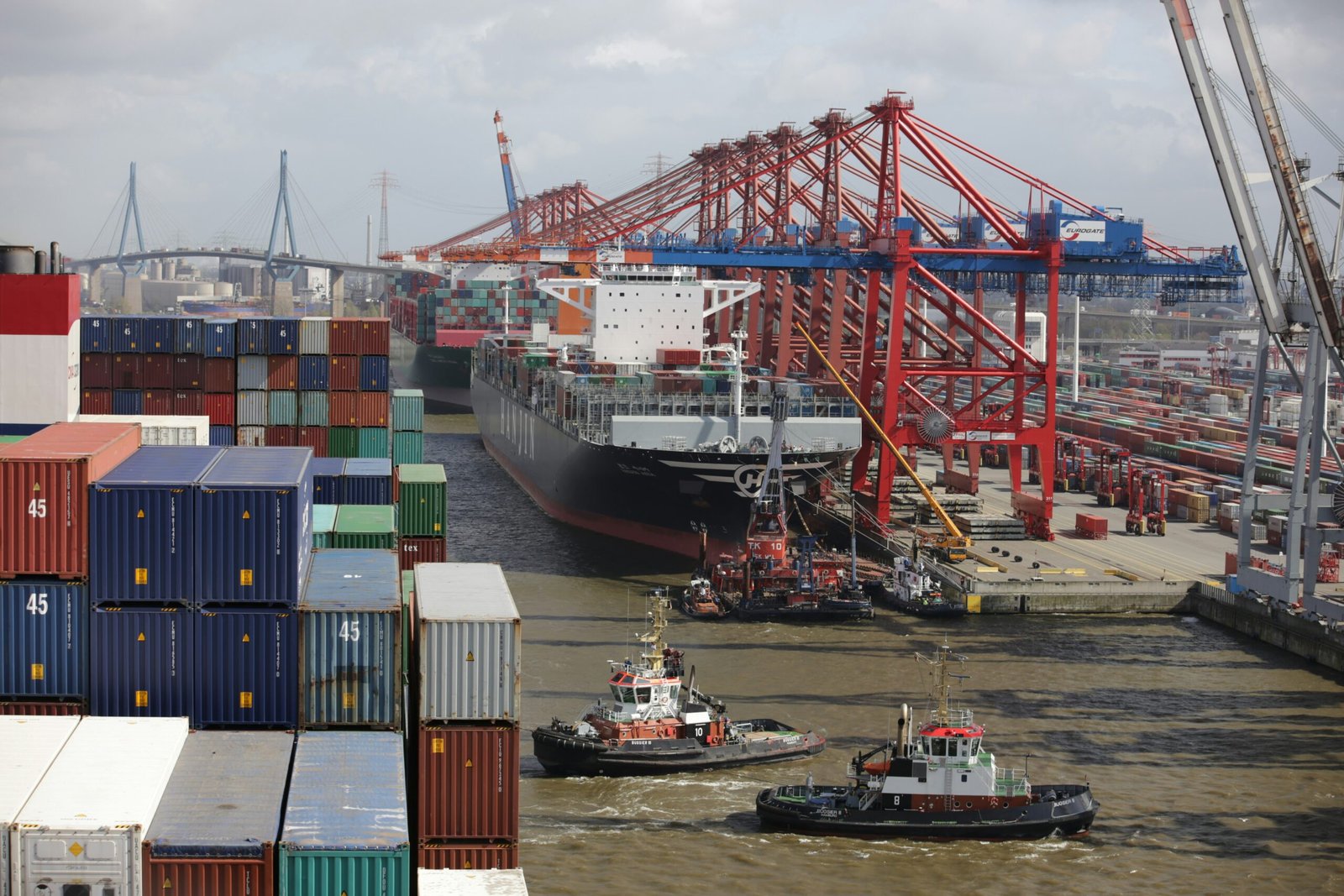
The import-export business serves as a crucial element of the global economy, facilitating the exchange of goods and services across international borders.

By participating in international trade, companies can access a wider market, diversify their product offerings, and enhance their competitive edge.

The seamless movement of goods fosters economic growth, creating job opportunities and promoting innovation within participating nations.

Engaging in the import-export business allows firms to capitalize on comparative advantages, enabling them to source materials and products more efficiently from different regions of the world.

For instance, a company may import raw materials from a country with lower production costs while exporting finished goods to markets willing to pay higher prices.

This interconnectedness not only boosts profitability but also strengthens economic ties between nations, leading to increased cooperation on various fronts, including policy, technology, and culture.

However, the complexities involved in cross-border transactions cannot be overlooked.

Various elements such as trade regulations, tariffs, and customs procedures impact the efficiency and effectiveness of the import-export business.

Additionally, currency fluctuations, political instability, and cultural differences can create significant challenges for companies engaged in international trade.

As businesses expand their operations globally, they must adapt to these factors, ensuring compliance with local laws and practices while navigating unpredictable market conditions.

In essence, this dynamic landscape presents both opportunities and challenges for businesses participating in the import-export sector.

An understanding of these factors is essential for developing effective strategies to navigate the multifaceted world of international commerce, ensuring sustained growth and success in the competitive global marketplace.

Regulatory and Compliance Challenges

The import-export business is often fraught with regulatory and compliance challenges that can impede smooth operations and lead to significant financial repercussions.

Each country has its own set of customs regulations, trade agreements, and local laws that govern international trade, which can vary widely and change frequently.

This landscape creates a complex environment for businesses looking to expand their market reach across borders.

Understanding these regulations is essential for successful navigation through compliance requirements.

One of the primary hurdles faced by import-export businesses is the intricacy of customs regulations.

These rules dictate how goods are to be transited into and out of a country, often including tariffs, import duties, and various documentation requirements.

Non-compliance with these regulations can result in heavy fines, delays in shipments, or even the seizure of goods.

In addition, trade agreements, such as free trade agreements or Bilateral Investment Treaties, can also present complexities, as they may alter the usual procedures for importing or exporting goods.

Local laws add another layer of complexity.

They are often influenced by cultural norms and economic policies unique to each country, which can lead to differing interpretations of compliance among businesses.

Failure to adhere to local regulations could not only impact business operations but also damage reputation and relationships with foreign partners.

To effectively navigate these regulatory challenges, businesses are encouraged to invest in expert consultations or hire compliance professionals.

These experts are well-versed in international trade laws and can provide invaluable guidance on meeting regulatory requirements.

Furthermore, investing in training programs for internal staff can enhance understanding and compliance, enabling smoother operations within the import-export business landscape.

Cultural and Language Barriers

The import export business operates in a global landscape where cultural and language differences can significantly impact operations.

Misunderstandings stemming from these differences may arise during negotiations, communications, and relationship-building efforts with clients and partners.

For instance, what is considered polite in one culture may be viewed as rude in another. Such discrepancies can lead to strained negotiations, resulting in missed business opportunities or even the loss of potential partners.

Language barriers further compound these challenges. Misinterpretations can occur when a business deal hinges on the precise understanding of terms and conditions.

For instance, legal terms or product specifications may not translate directly, leading to confusion.

Additionally, even capable speakers may struggle with industry-specific jargon, which can obscure the intended meaning and complicate discussions.

In an environment where clarity is paramount, these language obstacles present serious threats to the success of an import export business.

To navigate these cultural and linguistic hurdles, businesses should prioritize cultural competency training for their employees.

This type of education fosters an understanding of diverse cultural norms and enhances communication skills, ultimately leading to more effective negotiations.

Moreover, employing multilingual staff or utilizing professional translators can significantly enhance communication clarity.

These solutions not only aid in reducing misunderstandings but also demonstrate respect for partners’ languages and cultures—essential elements in building strong, trustworthy relationships in the import export sector.

By addressing cultural and language barriers thoughtfully, companies can not only streamline their operations but also foster an inclusive atmosphere that encourages collaboration and mutual understanding, thereby enhancing their overall success in the import export business.

Logistical Challenges and Solutions

Logistics plays a pivotal role in the import-export business, as it is central to ensuring that goods move efficiently from one location to another.

However, numerous logistical challenges can arise, impacting the overall effectiveness of operations.

One common issue is shipping delays, which can occur due to various factors such as customs clearance, port congestion, or adverse weather conditions.

These disruptions can lead to downstream effects, including inventory shortages and diminished customer satisfaction, thereby affecting a company’s bottom line.

Moreover, damaged goods represent another significant logistical hurdle.

When products are poorly handled during transit, the result can be substantial financial loss, not only due to the cost of replacing products but also due to loss of reputation and customer trust.

A real-world example is seen in the electronics sector, where fragile items are often mishandled, leading to returns and increased operational costs.

Adequate transportation options are also a crucial consideration in the import-export business.

Inadequate infrastructure in certain regions may restrict the availability of reliable transportation methods, leading to increased transit times and higher shipping costs.

For instance, in emerging markets, limited road or rail network capabilities can create obstacles that complicate logistics, making it challenging to effectively meet consumer demand.

To mitigate these logistical challenges, businesses can build strong relationships with reputable logistics providers.

This strategy encourages collaboration and provides access to timely information regarding shipment statuses.

Moreover, the integration of technology, such as real-time tracking systems, can enhance visibility into the shipping process, allowing businesses to respond promptly to unforeseen issues.

Finally, establishing contingency plans is vital.

These plans should outline alternative strategies for dealing with potential disruptions, ensuring that operations remain streamlined despite unforeseen circumstances.

Risk Management in International Trade

The import-export business operates in a complex global environment characterized by various risks that can significantly affect operations and profitability.

Currency fluctuations, for instance, can lead to unpredictable changes in pricing and cost structures.

When businesses import goods from different countries, the exchange rates on the day of the transaction may differ from those when the invoice is issued, causing potential financial discrepancies.

To mitigate this risk, businesses may use hedging techniques, such as forward contracts, which allow them to lock in exchange rates for future transactions.

This strategy provides a degree of certainty and financial stability in the volatile world of international trade.

Another critical challenge is political instability in countries involved in the import-export business.

Political unrest, changes in government policies, and trade restrictions can disrupt supply chains and impact the timely delivery of goods.

Conducting thorough country risk assessments is essential for identifying potential political risks.

Businesses can diversify their markets by sourcing goods from multiple regions, reducing reliance on any single country and spreading potential risks.

Additionally, establishing relationships with local partners who have an understanding of the political landscape can provide valuable insights and help navigate through uncertainties.

The threat of theft or damage during transportation also poses a significant risk to international trade.

Goods in transit are susceptible to various risks, including theft, natural disasters, and mishandling.

To address this issue, businesses must invest in comprehensive insurance coverage tailored to their specific import-export needs.

This coverage should include protection for all stages of the supply chain. Moreover, implementing robust security measures, such as GPS tracking and secure packaging, can further safeguard goods.

By understanding and quantifying these risks, businesses can develop effective strategies and contingencies to ensure their import-export activities are resilient and successful.

Trade Financing and Payment Issues

One of the critical challenges facing the import-export business is the financial complexities inherent in international trade.

Payment defaults are a common concern, often arising when exporters encounter difficulties receiving payments from foreign buyers.

These issues can escalate, leading to severe cash flow problems for businesses engaged in cross-border transactions.

Moreover, difficulties with credit can hinder a business’s ability to finance vital operations or expand into new markets, creating significant barriers to growth.

Additionally, the costs associated with currency conversion can further complicate financial dealings.

Exchange rate fluctuations may impact profit margins, making it imperative for businesses to have a firm grasp on the financial landscape before entering into trade agreements.

To navigate these financial challenges effectively, import-export businesses must adopt strategic measures.

One effective approach is establishing clear payment terms with buyers and suppliers from the outset.

This practice minimizes confusion and sets expectations regarding payment timelines and methods.

Integrating letters of credit into transactions can also provide a level of security, ensuring that the exporter receives payment as long as they meet the specified conditions.

This instrument significantly reduces the risk associated with international payments and is widely accepted in global trade practices.

Furthermore, leveraging trade finance services can offer additional support.

These specialized services, which include factoring and export financing, allow businesses to obtain the necessary capital to operate smoothly while managing the complexities of international payments.

Such financing solutions can enhance working capital, mitigate payment risks, and facilitate smoother trade operations.

By addressing trade financing and payment issues with strategic solutions, businesses can position themselves for sustainable growth in the import-export sector.

Technology Integration in Import-Export Operations

In the modern import-export business, the integration of technology has become an essential element for enhancing efficiency and operational effectiveness.

Companies engaged in global trade need to implement robust systems to manage their logistics, documentation, and compliance effectively.

However, the adoption of new technologies presents various challenges that can hinder progress.

One of the most common obstacles is the complexity associated with transitioning from traditional processes to advanced digital systems.

Many businesses report difficulties in tracking shipments as they shift to digital platforms, which can lead to delays and compliance issues.

Another significant challenge involves the resistance to change among employees. Staff may be accustomed to longstanding practices and can be reluctant to embrace new software or systems.

This resistance can result in underutilization of the tools that are intended to streamline import-export operations.

To overcome this barrier, it is advisable for businesses to invest in user-friendly platforms that can be easily understood and accessed by all team members.

Additionally, they should focus on tailored training programs that equip staff with the necessary skills to navigate these new systems proficiently.

Furthermore, leveraging digital tools such as automated inventory management systems, real-time tracking applications, and compliance monitoring software can significantly optimize processes.

These tools can aid in minimizing human errors and improving accuracy in documentation. Import-export businesses should also consider establishing a tech support system to address any issues that may arise during the technology integration phase.

By proactively tackling these challenges, organizations can harness the full potential of technology, thereby ensuring smoother operations in their import-export activities.

Building Strong Partnerships Across Borders

In the realm of the import-export business, establishing robust partnerships with foreign suppliers, customers, and agents is fundamental to achieving success.

These relationships often transcend mere transactional interactions; they require a foundation of trust, mutual understanding, and effective communication.

The challenges of fostering these alliances can be exacerbated by cultural differences, regulatory variances, and language barriers, which may impede negotiations and collaboration.

One prominent challenge of maintaining relationships across different cultures is the varying expectations regarding communication styles and business protocols.

For instance, some cultures may prioritize directness, while others value a more nuanced approach.

Therefore, it is essential for businesses engaged in the import-export sector to conduct thorough research on their partners’ cultural contexts, ensuring tailored communication strategies that resonate with local practices.

To overcome these obstacles and build strong partnerships, proactive communication strategies are imperative.

Regular updates, clear reporting, and being responsive to inquiries can help build trust over time. Furthermore, organizing periodic face-to-face meetings is a tangible method to strengthen alliances.

These visits allow stakeholders to engage more personally, fostering a sense of commitment and collaboration that digital communications alone may not achieve.

Participation in international trade fairs and networking events is also beneficial for businesses involved in import-export.

These venues provide valuable opportunities for companies to meet potential partners, observe market trends, and develop their brand visibility.

Engaging actively in these events not only enhances knowledge of the market but also aids in establishing a reliable network of contacts that can be harnessed for future endeavors.

Ultimately, cultivating strong partnerships across borders is crucial in the import-export business.

By recognizing and addressing the challenges inherent in diverse cultural contexts while implementing effective communication and engagement strategies, businesses can enhance their competitive edge and foster long-term relationships that drive growth.

Future Outlook and Continuing Challenges

The import-export business is undergoing significant transformation, influenced by an array of global trends that continue to shape the industry’s landscape.

As the world increasingly turns toward digital solutions, e-commerce has emerged as a pivotal element in the international trade framework.

This surge in e-commerce presents both challenges and opportunities for businesses engaged in import-export activities.

On one hand, the accessibility of online platforms allows for greater market reach; on the other hand, it necessitates a more sophisticated understanding of logistics, regulations, and consumer preferences across diverse regions.

Moreover, sustainability has become a vital consideration in the import-export sector.

Businesses are now confronted with the pressing need to adopt eco-friendly practices and comply with stringent environmental regulations.

This shift toward sustainability is not merely a response to consumer demands but is increasingly becoming a requirement for market entry in certain regions.

As businesses navigate these challenges, embracing sustainable practices will not only mitigate risk but also enhance their competitive positioning in the global market.

Geopolitical shifts are another critical factor influencing the future of the import-export business.

Trade policies, tariffs, and international relations can greatly impact the movement of goods across borders. As nations reevaluate their trade agreements and prioritize local production, import-export businesses must remain vigilant and adaptable to such changes.

This agility will require ongoing education and a willingness to innovate in order to address emerging trends and challenges effectively.

In conclusion, the future of the import-export business is contingent upon the ability of companies to stay informed and responsive to the evolving environment.

By prioritizing continuous learning and innovation, businesses can navigate present challenges and harness new opportunities, ensuring their resilience and growth in an increasingly interconnected world.

Analyzing Import Data for Competitive Advantage

turned on monitoring screen

Introduction to Import Data

Import data refers to the comprehensive records of goods brought into a country from foreign nations.

This type of data encompasses a wide array of information, including shipment records, product categories, the volumes of items imported, and the details pertaining to sourcing.

Understanding import data is crucial for businesses as it provides insights into market trends, consumer preferences, and competitive positioning within specific industries.

The significance of analyzing import data cannot be overstated. For businesses aiming to make informed decisions, access to accurate import data can serve as a strategic asset.

It enables organizations to understand which products are being imported, examine the sourcing strategies of competitors, and identify potential market opportunities.

Moreover, import data can assist in comprehending the supply chain dynamics and innovation within industries, revealing how external factors influence domestic markets.

There are several types of import data available, which can be classified into categories such as economic indicators, entry records, tariff classifications, and supplier contacts.

Shipment records encapsulate essential information about the shipping vessels, dates of arrival, and volumes of imports, allowing businesses to track their competitors and gauge the market’s response to particular imports.

Product categories offer insights into what types of items are gaining traction in the market, while sourcing details can unveil geographical trends and preferred manufacturing hubs across different sectors.

In summary, a thorough understanding of import data equips businesses with the necessary information to navigate the complexities of the global market.

By leveraging this data effectively, companies can optimize their operations and derive a competitive advantage in their respective industries.

The Importance of Competitive Analysis

Competitive analysis is a crucial aspect for businesses striving to maintain or enhance their position within an ever-evolving marketplace.

Understanding the competitive landscape allows organizations to make informed decisions that can lead to sustainable growth and improved market share.

By analyzing competitors’ strategies, market trends, and consumer preferences, businesses can identify opportunities and threats that may affect their operations.

This deep understanding enables companies to devise tactics that effectively counteract competitor moves, ultimately leading to a stronger competitive stance.

One of the primary advantages of conducting a thorough competitive analysis is the ability to understand how competitors are leveraging data to drive their business strategies.

Import data, for instance, reveals key insights into the goods that rival companies are bringing into the market and can highlight gaps in product offerings or service provisions.

Accessing this information allows businesses to pivot their own strategies to meet emerging demands or fill unmet consumer needs, thereby ensuring they remain relevant and competitive.

Moreover, staying abreast of market trends through comprehensive analysis affords companies the agility required to respond proactively to changes in consumer behavior.

Additionally, analyzing competitors through import data and other resources can facilitate benchmarking against industry standards. These insights help businesses measure their own performance and identify areas requiring enhancement.

Effective competitive analysis often incorporates tools and methodologies that allow organizations to dissect market dynamics comprehensively, fostering an environment that prioritizes informed decision-making.

The ability to draw actionable insights from disparate data sources results in strategies that are not only data-backed but also strategically sound, which is essential for cultivating long-term success in a competitive marketplace.

Sources of Import Data

Accessing reliable and up-to-date import data is crucial for businesses looking to gain a competitive advantage in their respective markets.

Various sources provide essential insights into import activities, with government databases, industry reports, and private data aggregators being some of the most common.

Government databases, such as those maintained by customs authorities and trade ministries, serve as primary sources of import data.

They often publish detailed statistics on the volume, value, and types of goods imported into a country.

Accessing these databases typically requires navigating specific government websites or portals, where users can download datasets or perform searches based on defined criteria.

However, while government data is usually considered reliable, it can also present challenges, including discrepancies in reporting periods or classifications, as well as potential delays in data updates.

Industry reports produced by market research firms provide additional insight into import trends and behaviors.

These reports often analyze import data in the context of broader industry dynamics, shedding light on market trends, key players, and competitive landscapes.

While industry reports can be invaluable for understanding market conditions, they may come at a cost or require subscriptions to access.

Furthermore, the accuracy of the information may vary depending on the methodologies employed by the research firms.

Private data aggregators also play a significant role in providing import data.

These companies compile information from multiple sources, including government reports, industry insights, and proprietary databases.

Their platforms often offer advanced filtering tools and analytics that allow users to dive deeper into specific data points.

Nevertheless, businesses using these aggregated sources should be cautious of the data’s reliability, as the original sources vary in credibility and may not always be current.

In summary, leveraging diverse sources of import data requires a strategic approach, where businesses must weigh the pros and cons of each option.

By understanding how to access and interpret this data effectively, companies can gain valuable insights to inform their decision-making processes and enhance their competitive edge.

How to Analyze Import Data

Analyzing import data is a crucial practice for businesses seeking to gain a competitive edge in their respective markets.

The process begins with the selection of appropriate methodologies that can effectively extract meaningful insights from complex datasets.

Statistical analysis is one such approach that allows businesses to quantify and investigate the relationships between various factors within their import operations.

By utilizing techniques such as regression analysis, firms can identify key variables that influence import volumes, and assess changes over time.

In addition to statistical methods, identifying trends within import data is essential. This involves monitoring the fluctuations in import volumes, seasonal patterns, and shifts in sourcing strategies.

By applying time-series analysis, organizations can forecast future import behaviors based on historical trends, which aids in strategic planning and inventory management.

Data visualization techniques are another vital element in the interpretation of import data.

Tools such as charts, graphs, and dashboards offer a clear and intuitive view of large datasets, making patterns more discernible.

Effective visualization not only enhances the comprehension of the data but also encourages more engaged decision-making among stakeholders.

Popular visual tools include Tableau and Microsoft Power BI, which support real-time data analysis and can efficiently present data to non-technical users.

Best practices in import data analysis emphasize the importance of data accuracy and reliability.

Ensuring that the data collected is accurate, up-to-date, and representative is fundamental in drawing actionable insights.

Establishing standardized data collection procedures and performing regular audits can significantly enhance data quality.

Furthermore, integrating diverse data sources, such as trade journals and customs records, can provide additional context and increase the richness of the analysis.

By employing a comprehensive approach to import data analysis, businesses can uncover vital insights that promote competitive advantage and informed decision-making.

Identifying Market Trends and Opportunities

In the rapidly evolving landscape of global commerce, businesses increasingly rely on import data to gain insights into emerging market trends and opportunities.

By analyzing this data, companies can discern shifts in consumer preferences, spot rising product categories, and recognize market gaps that can be leveraged for competitive advantage.

One effective technique for identifying shifts in demand is to monitor volume changes in import data over time.

For instance, if a particular product’s importation grows significantly, it may indicate a surging consumer interest.

This information allows businesses to adjust their inventory and marketing strategies accordingly, ensuring they meet the evolving demands of their customers.

Additionally, import data can reveal seasonality trends, paving the way for targeted promotional campaigns aligned with consumer behavior.

Furthermore, analyzing import data enables businesses to uncover new product categories with a high potential for growth.

For example, the increasing importation of eco-friendly products has signaled a rising consumer shift toward sustainability.

Companies that recognize these trends early can introduce relevant offerings, positioning themselves advantageously in the burgeoning sustainable market.

Identifying market gaps is another crucial application of import data analysis.

By examining import volumes against domestic production, businesses can determine whether there are underserved markets.

For instance, if a specific type of technology product is predominantly imported, it may suggest a lack of domestic supply, presenting a profitable opportunity for local manufacturers or retailers to fill that void.

Real-life case studies underscore the impact of import data analysis.

For instance, a US-based outdoor equipment retailer utilized import data to identify a surge in demand for electric bikes, prompting them to expand their product offerings to include this emerging category.

This strategic decision not only increased sales but also strengthened their market position amidst rising competition.

Benchmarking Against Competitors

In today’s competitive market, utilizing import data has become a critical tool for companies aiming to benchmark their performance against competitors effectively.

By analyzing this data, businesses can gain insights into various aspects such as import volumes, product offerings, and pricing strategies. These insights enable a deep understanding of their market positioning and identify areas for enhancement.

To begin with, comparing import volumes offers valuable intelligence regarding competitors’ market share and demand for specific products.

By identifying which products are imported in higher quantities, companies can deduce consumer preferences and market trends. This analysis helps businesses to adjust their import strategies accordingly.

For instance, if a competitor shows a significant increase in a particular product’s import volume, it may indicate a potential demand spike that warrants serious consideration.

Furthermore, assessing competitors’ product offerings through import data allows companies to view the range and variety of products being brought into the market.

Understanding the assortment of products that rival firms import can inspire businesses to diversify their inventory or refine their current offerings.

Maintaining a competitive edge often hinges on product differentiation, which can be informed by observing what competitors are successfully introducing to consumers.

Lastly, evaluating pricing strategies through import data can reveal how competitors price their goods compared to the market.

By analyzing price points of imported products, companies can adjust their pricing models to ensure they remain competitive.

Additionally, if a competitor employs distinct pricing strategies, it may open avenues for innovative approaches that can attract consumers.

This analytical process not only highlights potential changes businesses can implement but ultimately empowers them with the knowledge needed to refine their market strategy for improved performance and sustained competitive advantage.

Risk Assessment and Mitigation

In the realm of global trade, understanding and managing risks is imperative for businesses striving to maintain competitive advantages.

Import data serves as a pivotal resource in assessing these risks, particularly in areas such as supply chain disruptions and compliance challenges.

By analyzing historical and current import data, companies can identify potential vulnerabilities in their supply chains, enabling them to make informed strategic decisions.

One significant risk associated with international trade is the possibility of supply chain disruptions.

These disruptions can arise from various factors, including geopolitical tensions, natural disasters, or unexpected changes in trade policies.

Analyzing import data allows businesses to pinpoint patterns in logistics and identify crucial suppliers.

By doing so, companies can establish alternative sourcing routes or identify additional suppliers that can be relied upon in times of need, reducing the likelihood of operational setbacks.

Furthermore, compliance issues are another critical area where import data can provide substantial insights.

must navigate a complex landscape of regulations and tariffs that vary by country. By leveraging import data, companies can ensure that their sourcing strategies align with international trade laws, thereby minimizing the risk of costly penalties and ensuring smooth customs processes.

This data-driven approach allows for better anticipation of regulatory changes, as well as the preparation necessary to adhere to these requirements.

To effectively mitigate risks, businesses should implement contingency planning based on insights gleaned from import data analytics.

This involves creating robust frameworks that can adapt to unforeseen circumstances.

By being proactive in their risk assessment strategies, organizations can enhance their operational resilience and secure a more reliable supply chain.

Overall, utilizing import data not only aids in identifying risks but also empowers businesses to implement effective mitigation strategies that lead to sustainable growth and stability.

Legal and Ethical Considerations

The use of import data for competitive analysis presents various legal and ethical implications that organizations must navigate diligently.

Import data is a valuable resource, providing insights into market trends, supply chain dynamics, and competitor activities.

However, the manner in which this data is collected and utilized can raise significant concerns related to data privacy and intellectual property rights.

Data privacy is a foremost concern, as businesses must ensure that they are compliant with regulations such as the General Data Protection Regulation (GDPR) in Europe or the California Consumer Privacy Act (CCPA) in the United States.

These laws impose strict requirements on how personal information is handled, necessitating organizations to assess whether the data they are analyzing includes any sensitive or personal information.

Failure to comply can result in heavy penalties and reputational harm, emphasizing the importance of responsible data usage in competitive analysis.

Furthermore, intellectual property rights must be taken into account when utilizing import data.

Organizations should be aware that certain datasets may be protected under copyright or proprietary laws.

Utilizing this data without proper licensing or permissions could lead to legal disputes, underlining the need for businesses to conduct thorough due diligence before leveraging import data in their analysis.

In addition to legal considerations, ethical practices play a crucial role in the responsible use of import data.

Businesses must prioritize fair competition, avoiding any practices that may be perceived as manipulative or deceptive.

Maintaining transparency in data sourcing and ensuring that analysis methods uphold ethical standards are essential for fostering trust among stakeholders.

Ultimately, a comprehensive understanding of both legal and ethical considerations is vital for organizations aiming to responsibly incorporate import data into their competitive strategies.

Conclusion: Leveraging Import Data for Strategic Advantage

Throughout this discourse, the pivotal role of import data in shaping business strategy has been accentuated.

Import data provides invaluable insights into market trends, consumer preferences, and competitive positioning.

By meticulously analyzing import data, businesses gain the ability to identify potential opportunities and threats in their respective markets. This depth of understanding is crucial in guiding strategic planning and informed decision-making.

Moreover, leveraging import data enables firms to benchmark their performance against competitors.

By examining the types and volumes of goods imported by industry peers, businesses can gauge their market share and adjust their strategies accordingly.

This information can inform product offerings, pricing strategies, and even supply chain adjustments, allowing for a more agile response to market dynamics.

The foresight gained from analyzing such data is indispensable for companies aiming to maintain a competitive edge.

Furthermore, the capacity to predict future trends is enhanced through the ongoing analysis of import data.

By recognizing patterns over time, businesses can anticipate shifts in demand, enabling proactive adjustments to their offerings.

This tactical use of data positions companies favorably, allowing them to respond swiftly to changes in the marketplace while minimizing risks associated with inventory management and resource allocation.

In light of these insights, it is imperative that organizations consider integrating the analysis of import data into their operational frameworks.

Doing so not only enhances competitiveness but also fosters a culture of data-driven decision-making that can lead to sustained success.

As the market continues to evolve, those who harness import data effectively will be better equipped to navigate challenges and capitalize on new opportunities, ensuring a robust positioning in today’s dynamic business environment.

What You Need to Start an Import Export Company

Introduction to Import Export Business

The import-export business plays a crucial role in the global economy by facilitating the trade of goods and services across international borders.

This sector allows companies to expand their market reach and tap into diverse consumer bases, maximizing profits and minimizing reliance on local markets.

An import-export company acts as a bridge between manufacturers and retailers, managing the flow of products by sourcing items from various countries and distributing them to targeted consumers.

This exchange is not only beneficial for businesses but also enhances cultural exchange and global relationships.

Starting an import-export company carries several advantages. First, it often requires relatively low initial investments compared to other businesses.

Entrepreneurs can begin by focusing on small-scale operations, gradually expanding as they gain experience and develop partnerships.

Moreover, the constantly evolving nature of international trade provides ample opportunities to explore new markets and innovate.

Given that consumer preferences can differ across regions, import-export businesses can cater to these variations by providing unique products that are not available domestically.

With the global market complexities, it is vital for prospective business owners to comprehend the foundational elements of international trade, including regulations, tariffs, and logistics.

A comprehensive understanding of these components will not only ensure compliance but also enhance operational efficiency, setting a solid groundwork for a successful import-export venture.

Legal Requirements for Starting an Import Export Firm

Establishing a successful import export company necessitates a comprehensive understanding of various legal requirements.

Before launching, entrepreneurs must obtain specific permits and licenses that are mandated by local, state, and federal authorities.

These documents ensure that the business operates within the legal framework and can protect the company from potential penalties or shutdowns.

Depending on the nature of the products being imported or exported, different licenses may be required, such as an Importer of Record license or a Customs Bond.

Furthermore, understanding trade regulations is imperative for any individual looking to start an import export firm.

These regulations can vary significantly across borders, necessitating thorough research into the rules pertaining to both importing and exporting goods.

Regulations may pertain to tariffs, duties, and other trade barriers that affect pricing and logistics.

Staying abreast of international trade agreements and any changes to trade laws is crucial to avoid legal complications.

Compliance with both local and international laws is another foundational step. Entrepreneurs must familiarize themselves with laws regarding product standards, labeling requirements, and safety regulations.

Each country has its own set of laws that can impact the types of goods that can be imported or exported, and violations can lead to severe repercussions including fines and reputational damage.

Additionally, consideration of trademarks and intellectual property rights is essential when developing an import export business.

Protecting your brand and preventing infringement by competitors can be achieved through proper registration of trademarks.

This is particularly important when entering new markets, where intellectual property laws may differ. Understanding these legal considerations not only safeguards the business but also enhances its credibility in the market.

Understanding Logistics and Supply Chain Management

Logistics and supply chain management are foundational elements in the operation of an import export company, playing a pivotal role in ensuring the smooth movement of goods across international borders.

A comprehensive understanding of these components is essential for anyone looking to succeed in this dynamic field.

Freight forwarding is an integral part of the logistics process, acting as an intermediary between the import export company and various transportation services.

The freight forwarder manages the intricate details of shipping, including booking cargo space, tracking shipments, and preparing necessary documentation.

By outsourcing this function, a company can focus on other core areas while having the assurance that their goods are being handled with expertise.

The selection of shipping methods—be it air, sea, or land—depends significantly on the nature of the goods, budget considerations, and delivery timelines.

Each method has its advantages and disadvantages, and the right choice can enhance efficiency while minimizing costs.

For example, air freight offers speed but at higher costs, making it suitable for perishable or high-value items, whereas sea freight is more economical for bulk shipments but requires longer transit times.

Moreover, customs clearance is a critical process within logistics involving the approval of goods as they pass through international borders.

Understanding customs regulations in both the exporting and importing countries is crucial for avoiding delays and additional costs.

A seasoned import export company typically collaborates with customs brokers to navigate these complexities effectively.

Warehousing is another key factor in supply chain management. Proper storage solutions that facilitate easy pick-up and delivery can bolster an organization’s supply chain effectiveness.

By ensuring that goods are safely stored and quickly accessible, logistics operations can run more smoothly.

Additionally, selecting reliable shipping partners is essential; their performance directly impacts the timely delivery of goods to customers. An efficient supply chain strategy contributes to operational success and customer satisfaction.

Financial Considerations and Budgeting

Starting an import-export company involves careful financial planning and budgeting to ensure the venture’s success.

The initial startup costs must be accurately estimated, which can include expenses related to licensing, regulatory compliance, logistics, and inventory procurement.

A comprehensive financial plan will encompass these variables and provide a clear picture of the funds required to launch the business.

Depending on the scale of operations, businesses may also need to budget for office space, technology investments, and employee salaries.

Understanding the various funding options is crucial for new entrepreneurs entering the import-export sector.

Options can range from personal savings and bank loans to venture capital, grants, and crowdfunding. Each funding source has its own pros and cons, and selecting the most appropriate one can significantly impact the financial health of the import-export company.

Establishing relationships with banks and financial institutions early on can also facilitate access to credit and loans as the business grows.

Another key aspect of financial management for an import-export company is managing foreign currency risks.

Fluctuations in exchange rates can affect profit margins, so strategies such as forward contracts or options can be employed to mitigate these risks.

Additionally, it is essential to establish robust accounting practices from the outset. Utilizing accounting software can streamline financial management and ensure compliance with tax regulations across different jurisdictions.

Cash flow management is fundamental in the import-export industry, where delayed payments can lead to liquidity issues.

Implementing effective pricing strategies that consider margins, competition, and market demands is vital.

By maintaining a focus on these financial considerations and consistently reviewing the budget, an import-export company can position itself for long-term success in a competitive market.

Market Research and Product Selection

Starting an import export company requires a solid foundation built on comprehensive market research and strategic product selection.

This initial phase is crucial, as it helps determine which products will prove viable in the global marketplace.

Conducting thorough market analysis, therefore, cannot be overstated. Entrepreneurs should start by identifying current market trends and consumer preferences.

There are numerous tools available, including online databases and industry reports, that can provide valuable insights into what products are in high demand.

In addition to understanding market trends, assessing the competition is essential.

This entails not only identifying who the main competitors are but also analyzing their offerings, pricing strategies, and market position.

A thorough competitive analysis can unveil gaps in the market that an import export company may exploit.

Moreover, understanding the strengths and weaknesses of competitors allows new entrants to fine-tune their own strategies, ensuring a competitive edge.

After identifying potential products, it is equally important to source them responsibly. Establishing strong relationships with suppliers is critical for ensuring product quality and reliability.

This can involve visiting trade shows, attending industry networking events, or leveraging online platforms that connect businesses with manufacturers.

Building such relationships not only helps in securing favorable pricing but also creates opportunities for collaboration and exclusivity, which can greatly benefit an import export company in the long run.

In addition, it is advisable to conduct pilot testing of products in smaller markets before committing to large-scale import or export operations.

This testing phase allows for real-time feedback and adjustments based on consumer responses.

Emphasizing market research, diligent competitor analysis, and effective supplier relationships will provide a strong framework for selecting profitable products, ultimately contributing to the success of an import export company.

Building an Effective Business Plan

Establishing a well-structured business plan is a critical step in starting an import export company.

This document serves as a roadmap, guiding business decisions and helping to secure outside funding.

A comprehensive business plan typically consists of several essential components that together form a cohesive strategy.

Firstly, an executive summary is crucial. This section provides a concise overview of the company’s goals, vision, and operations.

It should capture the essence of the business, highlighting what makes it unique within the import-export industry.

This allows potential investors to quickly understand the purpose and potential of the endeavor.

The next component is market analysis, which involves extensive research on the target market and competitive landscape.

An effective import export business requires a clear understanding of customer needs, demand trends, and the dynamics of international trade.

This section should include data on market size, growth potential, and key competitors, enabling strategic positioning in the market.

The marketing strategy outlines how the business intends to reach its target audience.

This could include various approaches like digital marketing, trade shows, and direct sales to establish a strong presence in the import-export sector.

Furthermore, detailing the operational plan is crucial; it explains how the business will function on a day-to-day basis, covering aspects such as logistics, supply chain management, and compliance with trade regulations.

Lastly, financial projections are essential for assessing the viability of the import export company. This section should include forecasts for revenue, expenses, and profitability over the next few years.

Clear financial planning not only helps in tracking progress but also in attracting investors who seek confidence in the sustainability of the business.

Together, these elements create a solid foundation, enabling the import-export business to navigate challenges effectively and seize opportunities within the global market.

Establishing a Strong Marketing Strategy

Creating a successful marketing strategy is crucial for any import export company aiming to thrive in today’s competitive marketplace.

A well-defined marketing approach helps in establishing a strong brand presence, attracting potential clients, and retaining existing customers.

The foundation of this strategy begins with effective branding, which involves developing a clear message that communicates the company’s values, mission, and the unique benefits it offers to clients.

This clarity helps potential customers identify your import-export services easily in a crowded market.

Targeted advertising is another essential component of an import-export company’s marketing strategy.

By identifying specific markets and customer segments, businesses can tailor their promotional efforts to reach individuals who are most likely to require their services.

This can include targeted online ads, search engine optimization, and even print advertising in relevant trade publications.

Developing a cohesive online presence is vital, as businesses increasingly rely on digital marketing techniques to generate leads and enhance visibility.

In addition to branding and advertising, networking plays a pivotal role in the growth of an import-export company.

Attending industry-related trade shows and conferences allows businesses to connect with potential clients, suppliers, and partners, thereby expanding their business reach.

Moreover, these platforms provide invaluable opportunities to gain insights into market trends and customer preferences.

Furthermore, the role of social media cannot be overlooked. Platforms such as LinkedIn, Facebook, and Instagram offer import-export companies a means to engage with audiences, showcase their offerings, and build lasting relationships with customers.

Regularly sharing industry-related content, success stories, and client testimonials can enhance credibility and foster community engagement, ultimately leading to sustained business growth.

Navigating Challenges in Import Export Business

The import-export industry is rife with challenges that can significantly impact operations and profitability.

One of the foremost challenges faced by an import export company is the fluctuating regulatory environment.

Regulations may vary widely between countries, and keeping abreast of these changes is imperative for compliance.

This necessitates a deep understanding of international trade laws, tariffs, and quotas, ensuring that the company does not suffer penalties or delays that could jeopardize the business.

Additionally, political climates greatly influence the import-export sector. Political instability in supplier or buyer countries can lead to unexpected disruptions.

For instance, changes in government policies or trade agreements can affect the flow of goods, thus creating uncertainty.

Import export companies must remain vigilant and adaptable in dealing with these political situations by developing contingency plans that allow for quick adjustments to supply chains or financial arrangements.

Market conditions are another critical factor that can affect import export businesses.

Economic fluctuations, such as recessions or booms, can lead to changes in demand for products, altering market dynamics unpredictably.

Companies must conduct thorough market research and maintain flexible strategies to optimize their product offerings based on demand trends.

Adopting a robust risk management approach, including diversification of suppliers and markets, can greatly alleviate the impact of unfavorable market conditions.

Ultimately, navigating these challenges requires not only knowledge of the market and regulatory landscape but also strategic planning and proactive risk management.

Import export companies that successfully identify potential threats and institute effective responses will be better positioned to thrive in a competitive and often challenging environment.

Conclusion and Next Steps

Starting an import-export company presents a myriad of opportunities for aspiring entrepreneurs.

Throughout this blog post, we have emphasized the crucial steps involved in launching a successful venture in this dynamic industry.

These steps encompass conducting thorough market research, understanding legal requirements, identifying potential suppliers and buyers, and developing a robust business strategy.

Each of these elements plays a vital role in ensuring the sustainability and growth of your import-export business.

To embark on this journey, it is important to begin with extensive market research.

This research will help you identify profitable products and the best markets to target.

Understanding the intricacies of international trade regulations, tariffs, and customs procedures is also essential, as compliance will significantly impact your operations.

Additionally, drafting a comprehensive business plan that outlines your goals, target market, and financial projections will serve as a foundational document guiding your business decisions.

Moreover, establishing secure relationships with suppliers and buyers is critical.

By networking within the industry and leveraging trade associations, you can create a solid foundation for your import-export business.

It is also beneficial to stay informed about global market trends and shifts in consumer preferences, as adaptability is a key factor in long-term success.

As you consider taking the next steps, remember to evaluate your financing options, whether through personal savings, loans, or investors.

This financial backing will be vital during the initial phases of your import-export company. In summary, the journey to launch your business requires diligence, strategic planning, and ongoing research.

By taking actionable steps now, you position yourself for success in the competitive world of international trade.

How to Find Reliable Importers for Your Products

person holding pencil near laptop computer

Introduction to Importing

The process of importing is a critical component of global trade, facilitating the movement of goods across international borders.

Importing involves purchasing products from foreign manufacturers or suppliers and bringing them into one’s own country for resale or distribution.

This endeavor can open numerous opportunities for businesses by providing access to a broader range of products, competitive pricing, and unique items that may not be available locally.

One of the most vital aspects of the importing process is finding reliable importers. These partners play an essential role in bridging the gap between manufacturers and international markets.

A trustworthy importer not only possesses the relevant expertise in navigating the complexities of customs regulations and trade laws but also has established relationships with suppliers and logistics providers.

This extensive network aids in streamlining the importing process and ensuring timely delivery of products.

Reliable importers contribute significantly to successful business transactions by providing quality assurance, mitigating risks related to product compliance, and offering valuable insights into market trends and consumer preferences.

Engaging with reputable importers can enhance a company’s competitiveness by enabling access to high-quality products, which are crucial for maintaining customer satisfaction and brand reputation.

Furthermore, these partners can assist businesses in managing potential challenges such as fluctuating exchange rates, tariffs, and varying shipping costs.

Overall, the significance of finding trustworthy importers cannot be overstated.

They are instrumental in ensuring the smooth flow of goods from one country to another, making the importing process not only feasible but also effective for businesses seeking growth in the global market.

By recognizing the importance of reliable partners, companies can position themselves to thrive amidst the competitive landscape of international trade.

Understanding Your Product’s Market

Before embarking on the search for reliable importers, comprehending the market dynamics for your products is imperative.

Effective market understanding hinges on thorough research methods that encompass market analysis, competitor study, and an examination of consumer preferences.

These components will not only guide your marketing strategies but also assist in identifying appropriate importers that align with your product offering.

Commence your journey with a comprehensive market analysis.

This involves evaluating the current demand for your product category, recognizing trends, and understanding potential barriers to entry.

Tools such as industry reports, market surveys, and online analytics can furnish vital information about the overall market landscape.

Pay attention to pricing strategies, distribution channels, and economic influences, which can all impact the success of your imports.

Next, competitor analysis is crucial in refining your market understanding. Investigate local and international competitors who are importing similar products.

Examine their distributor relationships, marketing tactics, and customer engagement strategies.

By identifying what makes your competitors successful, you can adopt similar approaches for connecting with prospective importers, while carving out your unique selling proposition.

Additionally, understanding consumer preferences cannot be overlooked.

Conduct surveys or focus groups to gather insights into potential buyers’ preferences, purchasing habits, and feedback on existing products.

This step ensures your products not only meet market expectations but also helps in selecting importers who operate within niche markets suited to your offerings.

Ultimately, gaining a solid grasp of your product’s market, through detailed research and analysis, is essential for identifying importers who will significantly contribute to the success of your products.

A well-informed approach will facilitate better connections and ensure that you engage with importers that are capable of navigating the complexities of your target market effectively.

Qualities of a Reliable Importer

Identifying reliable importers is pivotal to establishing successful trading relationships and ensuring smooth operations in your supply chain.

Several key characteristics define a trustworthy importer, and understanding these traits will significantly aid in your decision-making process.

First and foremost, financial stability stands as a crucial quality of any importer.

A financially sound importer can effectively handle transactions and manage supply chain risks, which is vital for maintaining a steady flow of goods.

It is advisable to evaluate an importer’s financial records, credit history, and overall business health to ensure they can sustain the importation process without facing liquidity issues that could disrupt your business.

Licensing and certifications also play an important role in assessing the reliability of an importer.

Importers should possess the necessary permits, licenses, and certifications to operate legally within their respective markets.

This not only signifies their compliance with local laws but also reflects their commitment to quality and safety standards, which ultimately benefits your products and brand reputation.

Experience in your specific product category is another essential characteristic.

An importer with extensive knowledge in the relevant market sector is more likely to understand the nuances of your products, ensuring better handling, compliance with import regulations, and market trends.

This familiarity can help streamline processes, mitigate potential risks, and foster better communication between parties.

Lastly, an importer’s reputation in the market cannot be overlooked.

Positive feedback from other businesses, reviews, and testimonials can provide valuable insights into their trustworthiness and reliability.

Engaging with other companies to gather their experiences with potential importers will further assist in narrowing down the options and selecting the most dependable partner for your import needs.

Where to Search for Importers

Finding reliable importers is a crucial step for businesses looking to expand their market reach. Various resources and platforms can assist in this pursuit, allowing companies to connect with legitimate import entities.

One prominent avenue is online directories, which include platforms like Alibaba, Global Sources, and ThomasNet.

These directories typically list numerous businesses across various industries, enabling you to filter potential importers by region, product type, or business certification.

By conducting a thorough search, you can compile a list of prospective importers that meet your requirements.

Trade shows present another excellent opportunity for businesses seeking reliable import partners.

Attending such events allows you to meet potential importers face-to-face, fostering trustworthy relationships and enhancing communication.

Not only do trade shows provide firsthand insights into the products of importers, but they also offer networking opportunities with other professionals in your industry.

Events like the Canton Fair in China or the International Home + Housewares Show in the United States attract numerous international importers, thus serving as a valuable platform to establish connections.

Moreover, business networking platforms such as LinkedIn can also be instrumental in locating importers.

By utilizing LinkedIn’s search features, you can identify individuals and companies specializing in importing goods relevant to your product line.

Engaging with professionals in relevant groups or forums allows you to gather recommendations and insights about reputable importers.

Lastly, industry associations often maintain databases of certified importers or can provide references to trusted contacts. Associations related to your industry can serve as key resources to ensure you partner with reliable importers in your supply chain.

Utilizing Online Tools and Platforms

In an increasingly digital world, leveraging online tools and platforms has become essential for finding reliable importers.

Numerous resources are available, some of which are paid while others remain free, catering to different needs within the importing industry.

A prominent example is Alibaba, a widely recognized marketplace that connects suppliers and importers globally.

This platform enables users to access a vast array of importers, complete with their profiles and transaction histories, which can help ascertain their credibility.

Another valuable resource is Global Sources, which focuses on connecting verified manufacturers and importers.

This site offers detailed insights into companies, allowing prospective partners to evaluate their reliability through performance metrics and certifications.

Utilizing platforms like these allows importers to streamline their search process by filtering results based on specific criteria, such as certification statuses and buyer ratings.

Additionally, industry-specific websites can offer tailored solutions for finding trustworthy importers.

These platforms often provide verification services, ensuring that the information about companies is accurate and up-to-date.

Importers can also benefit from trade directories that list companies according to their sectors, further optimizing the search process.

Furthermore, many of these platforms allow for user feedback and ratings, providing real-world insights into the performance of importers over time.

While searching, it is crucial to remain vigilant about potential red flags, such as unverifiable contact information or a lack of transparency in operations.

Utilizing online tools and platforms can significantly benefit importers by providing a foundation for building partnerships and fostering growth in the global market.

Importers seeking reliable partners should take advantage of these resources, ensuring informed decisions that align with their business goals.

Verifying Importer Credentials

Once potential importers have been identified, it is essential to conduct thorough due diligence to ensure their reliability and credibility.

Verifying importer credentials involves several methods aimed at assessing their background and financial stability.

One primary step is to check references from previous clients or business partners. This can provide insight into the importer’s reputation and the quality of their past transactions.

In addition to references, reviewing financial statements can offer a glimpse into the importer’s fiscal health.

Importers should be able to provide clear and detailed financial documents that showcase their ability to manage finances responsibly and ensure timely payments.

This is vital because a financially stable importer is less likely to default on agreements, minimizing risks associated with importing products.

Conducting background checks is another important step in verifying credentials. Background checks can reveal any previous legal issues or business practices that may raise red flags.

Importers with a clean background tend to be more trustworthy and reliable. Various online services specialize in background checks, making it relatively straightforward to gather this information.

Moreover, understanding the warranty and return policies of potential importers is crucial.

A reliable importer should have clear terms regarding product warranties and returns, ensuring that buyers have recourse if products do not meet expectations.

This not only protects the importers’ clients but also reflects the importers’ confidence in the products they are sourcing.

In summary, verifying the credentials of potential importers is a multi-faceted process that includes checking references, reviewing financial statements, conducting thorough background investigations, and understanding warranty and return policies.

Each of these steps plays a significant role in safeguarding your business and ensuring that you establish relationships with trustworthy importers.

Building Strong Relationships with Importers

Establishing and nurturing strong relationships with importers is crucial for businesses looking to thrive in international markets.

Effective communication serves as the foundation of a successful partnership. It is essential for both parties to maintain open lines of communication, ensuring that any issues, questions, or updates can be promptly addressed.

Regular check-ins, whether through emails, phone calls, or face-to-face meetings, can greatly enhance mutual understanding.

By creating a culture of transparency, businesses can foster trust, which is integral to building long-lasting relationships with their import partners.

Negotiation is another critical component of solidifying ties with importers.

Approaching negotiations with a mindset focused on collaboration rather than confrontation can yield positive outcomes for both businesses and their importers.

It is advisable to come to the table prepared, having a clear understanding of one’s own needs while also considering the priorities of the importer.

Being flexible and open to compromise can often lead to mutually beneficial agreements.

Establishing win-win scenarios not only aids in closing deals but also paves the way for future collaborations.

Setting clear expectations at the onset of the partnership is vital to avoid misunderstandings down the line.

This includes discussing critical factors such as delivery timelines, payment terms, quality standards, and communication preferences.

Both parties should delineate their responsibilities and rights within the partnership to mitigate any potential conflicts.

Documentation, including contracts and agreements, can provide clarity and serve as a reference point if disputes arise.

By laying a solid groundwork through effective communication, strategic negotiation, and clear expectations, businesses can cultivate strong relationships with importers, thus enhancing their potential for long-term success in the global marketplace.

Legal Considerations When Importing

When engaging with importers, it is essential to navigate through various legal considerations to ensure smooth transactions and compliance with local and international laws.

The first aspect to consider is the import regulations that govern the entry of goods into a country.

Each nation has its own set of rules that dictate what can be imported, the necessary licenses or permits, and specific product standards that must be met. Understanding these regulations is crucial for avoiding penalties or delays at customs.

Another vital element is the assessment of tariffs. Tariffs are taxes imposed on imported goods that can significantly affect the overall cost of importing products.

Importers should be aware of the applicable tariff rates for their specific products as well as any trade agreements that might reduce these costs.

Proper due diligence in researching tariffs can lead to substantial savings and more competitive pricing in the market.

Customs compliance is also a key consideration. Importers must ensure that all shipments comply with the documentation and reporting requirements set forth by customs authorities.

This includes the accurate completion of forms and declarations that outline the nature, value, and origin of the goods.

Failure to comply can result in fines, shipment delays, or even seizure of goods, which can have significant financial implications for businesses.

Furthermore, it is imperative to establish clear contracts and agreements with importers. These documents should outline responsibilities, liabilities, and the scope of services to avoid misunderstandings.

Contracts serve as a safeguard, providing legal recourse in the event of disputes.

Clear communication of terms, conditions, and expectations is essential for maintaining a positive business relationship.

By taking into account these legal considerations, businesses can foster a responsible and compliant framework that supports reliable importing practices and enhances business success.

Conclusion and Next Steps

The process of finding reliable importers is a crucial step in ensuring that your products reach the market efficiently and effectively.

Throughout this discussion, we have emphasized the importance of conducting thorough research and establishing trust with potential importers.

The strategies outlined provide a systematic approach to identifying and vetting these entities, enabling businesses to foster beneficial relationships that contribute to successful importing.

In the global marketplace, the role of reputable importers cannot be overstated. They act as a bridge between manufacturers and consumers, ensuring that goods are handled professionally and reach their destination in optimal condition.

This makes it essential for business owners to invest time and resources in locating importers who demonstrate reliability and professionalism.

It is equally important to seek out those who align with your company values and business practices, facilitating smoother operations and long-term partnerships.

Moving forward, it is advisable for businesses to implement the strategies discussed, such as utilizing trade directories, participating in industry trade shows, and leveraging social networks to connect with potential importers.

Additionally, maintaining open channels of communication with these partners can lead to better collaboration and trust-building over time.

It is essential to conduct regular assessments of your importers to ensure they continue to meet your company’s standards and adapt to changes in the industry landscape.

In summary, finding and establishing relationships with reliable importers is foundational for your business’s success in the international market.

By prioritizing due diligence, enhancing communication, and continuously evaluating your partnerships, you can navigate the complexities of importing with confidence and achieve sustainable growth.

Take proactive steps today to secure the right importers for your products and lay the groundwork for future success.

10 Myths About Import and Export Debunked

Introduction to Import-Export Business Myths

The import-export business forms a crucial part of global trade, serving as a bridge that connects manufacturers and consumers across different regions.

This sector facilitates the movement of goods and services, contributing significantly to economic growth and cultural exchange.

However, despite its vital role, many aspiring entrepreneurs harbor misconceptions about the intricacies of engaging in import and export activities.

It is pivotal to address these myths to ensure that new entrants have a clear understanding of what lies ahead in their entrepreneurial journey.

One prevalent myth is that importing and exporting goods is only suitable for large corporations with substantial resources.

In fact, small and medium-sized enterprises (SMEs) can also successfully navigate this landscape, offering unique products to niche markets worldwide.

Additionally, individuals often believe that international trade is excessively complicated.

While it does involve understanding regulations, tariffs, and logistics, comprehensive resources and professional guidance are available to simplify the process for new businesses.

Moreover, misconceptions surrounding the financial requirements for operating in this field can deter potential entrepreneurs.

Many believe that significant capital is necessary, yet numerous financing options exist, including loans and grants tailored for small import-export businesses.

This section aims to dismantle the common myths surrounding this essential industry, providing evidence-based insights that pave the way for informed decision-making.

As we delve deeper into these misconceptions, it is imperative to understand the realities of the import-export business.

A realistic perspective can foster greater confidence and preparedness in aspiring entrepreneurs, enabling them to navigate the challenges of international trade effectively.

The subsequent sections will address specific myths and provide clarity to empower individuals looking to embark on this rewarding journey.

Myth 1: You Need a Lot of Money to Start

One prevalent myth surrounding the world of import and export is the belief that it necessitates a substantial financial investment.

While it is true that financial resources can play a role in starting a business, aspiring entrepreneurs should know that numerous options exist that allow for entry into international trade with minimal capital.

This flexibility in startup costs can open doors for innovative individuals with limited funds.

Alternative funding avenues, such as small business loans, grants, and angel investors, have become increasingly accessible.

Many government programs specifically aim to assist startups involved in import and export activities, providing financial resources that can ease the burden on new business owners.

Additionally, individuals can explore partnerships to share startup costs, allowing them to leverage each other’s strengths without overwhelming financial commitments.

Moreover, an individual can begin their import-export journey by choosing to operate at a smaller scale.

Home-based operations, online platforms, and dropshipping models enable entrepreneurs to engage in international trade with minimal overhead expenses.

By utilizing technology, one can initiate import and export activities from the comfort of their home, significantly reducing the need for physical infrastructure and large inventories.

As a result, it is entirely feasible to embark on an import-export venture without extensive financial backing.

Each entrepreneur can tailor their approach to suit their circumstances, emphasizing that a lack of funds should not hold individuals back from pursuing their ambitions in global trade.

With the right strategies and resourceful thinking, entering the import and export market can be an achievable goal for many hopeful entrepreneurs.

Myth 2: It’s Too Complicated to Navigate Customs

One of the prevalent myths surrounding import and export activities is the misconception that navigating customs regulations is excessively complicated.

While it is true that customs procedures can appear daunting, the reality is that they are manageable with the right information and tools.

Understanding the customs process is essential for both novices and experienced traders alike.

The customs process typically involves several key steps: classification of goods, valuation, and determining the origin of the products being shipped.

Goods must be correctly classified according to the Harmonized System, which is used worldwide. This classification affects the applicable tariffs and trade regulations.

Additionally, understanding how to properly value goods is critical, as this influences both import duties and overall compliance with legal requirements.

Moreover, it is vital to establish the correct origin of products, which may affect eligibility for certain trade agreements and exemptions.

To effectively manage these customs requirements, beginners should utilize the wealth of available resources.

Many government agencies and trade organizations provide comprehensive guides and tools aimed at simplifying the customs process.

Online platforms, webinars, and workshops offer valuable insights into customs regulations and best practices for import and export activities.

Engaging with seasoned professionals or consultants can also provide personalized advice tailored to specific business needs.

Furthermore, technology plays a crucial role in streamlining customs operations.

Software applications designed for trade compliance can automate paperwork and enhance accuracy, reducing the likelihood of errors that lead to delays.

By leveraging these tools and resources, businesses of all sizes can navigate customs matters more efficiently. The key lies in demystifying the process and approaching it with the right knowledge and preparation.

Myth 3: You Have to Be an Expert in International Trade

One of the prevalent misconceptions surrounding import and export activities is the belief that one must possess extensive expertise in international trade to achieve success in the field.

While having knowledge about international trade can be beneficial, it is not a prerequisite for entering the market.

In fact, many successful entrepreneurs have begun their import and export businesses with minimal prior experience in this area.

What often carries more weight than formal expertise are skills such as adaptability and a willingness to learn.

The global marketplace is constantly evolving, with trends shifting rapidly due to economic conditions, technological advancements, and regulatory changes.

Therefore, an entrepreneur’s ability to adapt to these changes can be more valuable than an extensive background in trade.

For instance, engaging with mentors or utilizing online resources can provide insights that are instrumental in navigating the complexities of international transactions.

Consider case studies of individuals who have thrived in the import and export sector without traditional qualifications.

For example, a small business owner might start by importing unique products from other countries based simply on market demand, relying on research and trial-and-error rather than existing expertise.

By focusing on understanding customer preferences and building relationships with suppliers, they can successfully carve out a niche in the global market, illustrating that practical experience often trumps theoretical knowledge.

Moreover, many resources are available today, including educational courses, webinars, and workshops specifically designed to give newcomers the foundational knowledge they need to navigate international trade.

Thus, while expertise can enhance one’s capabilities, it is not an insurmountable barrier to entry.

With curiosity and the right resources, anyone can learn the essentials of import and export, making it an accessible endeavor for many aspiring entrepreneurs.

Myth 4: You Can Only Export Products, Not Services

The belief that the import and export business is limited to physical goods is a misconception that needs to be addressed.

In reality, services can also be part of international trade, and many businesses thrive by exporting their expertise rather than tangible products.

The services sector is an increasingly significant component of the global economy, and it encompasses a wide variety of offerings.

Service exports can take many forms, including professional services like consulting, IT services, education, financial services, tourism, and even healthcare.

For example, a software development company based in the United States may cater to clients worldwide, providing custom solutions remotely.

Similarly, educational institutions may attract international students, thereby exporting their knowledge and expertise.

This highlights that the landscape of import and export is evolving, opening new avenues for businesses that focus on services rather than products.

The demand for international service trade is growing, driven by advancements in technology and communication that facilitate virtual collaboration.

The rise of the internet has allowed businesses to connect with audiences across borders, making it easier to export services globally.

Moreover, sectors such as digital marketing, graphic design, and e-learning have seen a notable rise in transnational service exchanges.

In many cases, service exports can be more cost-effective compared to product exports, where physical logistics, tariffs, and shipping costs can incur significant expenses.

Understanding this shift towards services is crucial for anyone interested in the import and export landscape.

By embracing both tangible products and intangible services, businesses can expand their reach, attract diverse clients, and ultimately sustain growth in a competitive market.

Myth 5: Low Prices Always Win in Import-Export

The belief that the lowest prices in import and export operations guarantee success is a misconception that can lead businesses down a precarious path.

While competitive pricing is indeed a vital component of international trade, relying solely on low prices can overlook crucial factors that ultimately determine a business’s sustainability and reputation in the market.

Pricing strategy in the realm of global trade is multifaceted and should consider various elements, such as production costs, quality of goods, and consumer perception.

First and foremost, a focus on quality can significantly influence a customer’s purchasing decision.

In many cases, consumers are willing to pay a premium for products that meet high standards, exhibit durability, or offer superior features.

Businesses that compromise on quality in pursuit of lower prices may find themselves facing higher returns, increased customer dissatisfaction, and a tarnished reputation.

Moreover, brand reputation plays an essential role in the sense of trust and reliability associated with a product or service.

Companies that consistently deliver high-quality goods tend to build loyalty among their clientele, which can lead to repeat business and positive word-of-mouth referrals.

These factors often prove to be more crucial than price alone in securing long-term success in import and export activities.

Additionally, market dynamics and demand variability can lead to situations where lowering prices may not be feasible or beneficial.

In highly competitive markets, price wars can result in diminishing profit margins, eventually affecting the overall viability of a business.

By emphasizing value—encompassing quality, service, and brand reputation—companies can foster a more sustainable strategy that transcends the simplistic notion that low prices are the sole determinant of success in the import-export arena.

Myth 6: It’s a Full-Time Job Only

Many individuals often hold the misconception that running an import and export business necessitates a full-time commitment.

However, this belief overlooks the inherent flexibility of the industry and the potential for successful part-time operations.

In reality, numerous entrepreneurs have built lucrative import and export ventures while maintaining other jobs or responsibilities.

One of the key advantages of the import and export business model is its adaptability.

Many of the processes involved, such as sourcing products, managing logistics, and communicating with suppliers, can be efficiently handled in a manner that fits one’s schedule.

With the advent of technology, activities can be conducted online, making it easier to manage operations remotely and during non-traditional working hours.

For example, by utilizing various digital tools and platforms, entrepreneurs are able to streamline their operations, thereby allowing them to efficiently allocate their available time.

Success stories abound in the realm of part-time import-export entrepreneurs.

Many individuals have leveraged their weekends to communicate with international partners, while evenings are often used for market research and product sourcing.

These entrepreneurs prove that, with discipline and effective time management techniques, one can successfully juggle an import and export business along with other commitments.

Moreover, setting clear priorities is crucial.

By identifying peak hours for communication with suppliers and establishing a solid schedule, these part-time entrepreneurs can avoid overwhelm and ensure all aspects of their business are addressed.

Additionally, the use of automation tools can significantly reduce the time spent on routine tasks, ultimately enhancing productivity.

Thus, the notion that running an import and export business requires full-time dedication is a myth that overlooks the effective ways in which individuals can successfully navigate this field while balancing other responsibilities.

Myth 7: All Markets Are the Same

The belief that all international markets offer identical opportunities and challenges is a prevalent misconception among those involved in import and export activities.

In reality, each market possesses its own unique characteristics, influenced by various factors such as economic conditions, cultural norms, regulatory environments, and consumer preferences.

Thus, a one-size-fits-all approach to foreign trade can lead to misunderstandings and lost opportunities.

Market research plays a crucial role in identifying these differences.

Conducting thorough research allows businesses to comprehend the specific dynamics of a target market and make informed decisions regarding product offerings, marketing strategies, and pricing.

For instance, a product that thrives in one country might encounter resistance in another due to cultural differences or local competition.

By understanding the market’s specific needs, businesses can tailor their approach and increase the likelihood of success.

Cultural differences also significantly impact import and export efforts.

Various regions have distinct values that influence consumer behavior, from preferences regarding packaging and branding to acceptable pricing structures.

What appeals to consumers in one country may not resonate in another, necessitating businesses to adapt their strategies accordingly.

Furthermore, language barriers can affect communication and negotiation processes, highlighting the need for local expertise when entering new markets.

Ultimately, it is essential for businesses to recognize that not all markets are created equal.

Engaging in comprehensive market research, being aware of cultural nuances, and applying tailored strategies are vital steps in navigating the complexities of international trade.

By embracing a nuanced understanding of different markets, businesses can enhance their import and export operations and foster successful global partnerships.

Myth 8: You Don’t Need a Business Plan

One prevalent myth in the import and export industry is the belief that a detailed business plan is unnecessary for achieving success.

However, this misconception can lead to a lack of direction, increased risks, and ultimately, business failure. A well-structured business plan serves as a roadmap that guides entrepreneurs through the complexities of international trade.

A comprehensive business plan includes several critical components, such as an executive summary, market analysis, marketing strategies, operational plans, and financial projections.

Each of these elements plays a vital role in understanding the competitive landscape and identifying opportunities for growth.

For instance, a thorough market analysis allows entrepreneurs to assess demand for their product in different regions, while operational planning highlights the logistics involved in the import-export process.

Furthermore, planning is essential for mitigating risks associated with international trade.

The import and export sector is influenced by various factors, including regulatory challenges, currency fluctuations, and geopolitical considerations.

A solid business plan enables entrepreneurs to identify potential risks and develop contingency strategies to address them effectively.

By forecasting financial needs and operational challenges, businesses can prepare for unforeseen issues that may disrupt their activities.

To develop an actionable business roadmap, businesses should start with a clear vision and objectives.

Conducting thorough research on target markets, understanding regulatory requirements, and establishing partnerships with reliable suppliers and distributors are also crucial steps.

Additionally, regularly revisiting and updating the business plan as the market evolves ensures that the organization remains agile and responsive to changes.

Ultimately, investing time and effort into crafting a robust business plan is indispensable for sustained success in the dynamic import and export industry.

Conclusion: Setting the Record Straight on Import-Export Myths

In the realm of international trade, particularly in the import and export sector, misinformation can pose significant challenges to aspiring entrepreneurs.

Throughout this article, we have addressed ten prevalent myths surrounding import and export activities, dissecting misconceptions that could hinder business growth and understanding in this vital field.

By confronting these inaccuracies, we aim to empower future import-export professionals to approach their ventures with informed perspectives.

The myths discussed demonstrate that the import-export domain is often surrounded by a cloud of confusion, where the complexities of tariffs, regulations, and market dynamics can lead to misunderstanding.

For instance, the belief that the import-export business is exclusively reserved for large corporations discounts the opportunities available for small and medium-sized enterprises.

Additionally, the notion that logistics and supply chain management are obstacles rather than areas to strategically optimize illustrates a misunderstanding of the industry’s infrastructure.

It is crucial for prospective import-export entrepreneurs to actively seek accurate and reliable information.

Engaging with industry associations, attending trade seminars, and leveraging online courses can provide essential knowledge and resources that demystify the complexities of international trade.

By doing so, individuals can equip themselves with the tools necessary to navigate the regulatory environments and market demands that come with engaging in import and export activities.

Ultimately, dispelling these myths is not only beneficial for individual success but also crucial for fostering a more robust and informed import-export community.

As we have seen, knowledge is a powerful ally in making well-informed decisions that can lead to sustainable and prosperous business ventures in international trade.

Top Markets for Import-Export Business Growth in 2024

Introduction to Import-Export Business Growth

The import-export business plays a pivotal role in the global economy, facilitating the flow of goods and services across international borders.

This industry serves as a conduit between manufacturers and consumers worldwide, fostering economic development and enhancing market competition.

With the advent of globalization, the barriers to trade have diminished, providing unprecedented opportunities for businesses to expand their reach and tap into new markets.

The dynamic nature of international trade has led to an increase in interdependence among nations, as economies become more interconnected. This allows nations to benefit from each other’s resources, technology, and expertise.

In recent years, the import-export sector has witnessed notable transformations driven by technological advancements and changing consumer preferences.

E-commerce has emerged as a significant force, enabling businesses to optimize their operations and streamline supply chains.

Additionally, innovations in logistics and transportation have made it easier for companies to manage their import-export activities, enhancing efficiency and reducing costs.

The ongoing rise in global consumption, particularly in developing markets, further underscores the importance of maintaining an agile import-export strategy for businesses aiming to thrive in this competitive landscape.

As we look toward 2024, emerging markets are poised to present exciting opportunities for the import-export business.

Key factors contributing to this growth include shifts in trade policies, evolving consumer trends, and new trade agreements that enhance market access.

Moreover, environmental and sustainability considerations are shaping how companies approach international business, leading to increased demand for ethically sourced and environmentally friendly products.

Consequently, understanding these trends and identifying strategic markets will be crucial for companies seeking to capitalize on growth opportunities within the global import-export arena.

Emerging Markets: A Closer Look

The landscape of the import-export business is continually evolving, with emerging markets playing a pivotal role in its growth trajectory.

In 2024, several countries are positioned to become key players in international trade due to their robust economic growth rates, increasing consumer demand, and government policies that actively support trade activities.

One of the standout regions is Southeast Asia, particularly Vietnam and Indonesia. Both countries have experienced significant economic expansion driven by a youthful population and an increasing middle class that spurs consumer demand.

Their governments are implementing initiatives to reduce trade barriers and foster export-oriented industries, making them attractive destinations for global businesses looking to establish import-export operations.

Additionally, Sub-Saharan Africa is gaining attention as a burgeoning market for import-export businesses.

Countries like Nigeria and Kenya are witnessing rapid growth in sectors such as agriculture and technology, creating vast opportunities for international trade.

With governmental policies aimed at improving infrastructure and reducing tariffs, these nations are becoming essential players on the global stage.

Latin America is also showing promise, particularly in Colombia and Brazil. These countries have diversified their economies and are focusing on strategic trade agreements to boost imports and exports.

Colombia’s agricultural sector, for instance, is evolving, with an increasing focus on organic products, presenting valuable opportunities for international import businesses.

Moreover, the Middle East, especially the Gulf Cooperation Council (GCC) countries, is continuously evolving as a major hub for trade.

The region is investing heavily in logistics and transportation, enhancing its appeal for import-export activities.

This transformation, supported by government incentives to diversify their economies away from oil dependency, provides numerous opportunities for businesses engaged in international trade.

In conclusion, the emerging markets identified for 2024 demonstrate a blend of economic growth, favorable trade policies, and increasing consumer demand that position them as hotspots for the import-export business.

Understanding these markets will be essential for companies looking to thrive in the global trade arena.

Established Markets: Opportunities for Growth

The import-export business landscape has evolved significantly over the years, particularly in established markets such as the United States, the European Union, and China.

These markets present robust opportunities for growth in 2024, driven by their economic stability and consistent demand for various foreign goods.

The United States remains one of the largest importers and exporters globally.

Economic indicators suggest a stable growth trajectory, providing a conducive environment for businesses in the import-export sector.

The demand for technology products, agricultural goods, and consumer products offers a profitable avenue for trade.

Additionally, the United States has numerous trade agreements in place, which can reduce tariffs and improve market access for foreign goods, further facilitating growth in the import-export business.

Similarly, the European Union stands out as a significant player in international trade.

Its integrated market allows for seamless movement of goods among member countries, fostering a dynamic environment for import-export activities.

The EU’s strong focus on sustainability and green products could create new niches for businesses looking to venture into environmentally conscious trade.

With its stable economies and established regulatory frameworks, the European Union presents a favorable landscape for import-export opportunities.

China, with its massive consumer market and manufacturing prowess, continues to be a crucial market for import-export businesses.

Even with recent trade tensions and shifting policies, China has shown resilience and adaptability.

The demand for high-quality imports has increased among Chinese consumers, especially in sectors like electronics, luxury goods, and health products.

Furthermore, China’s Belt and Road Initiative aims to enhance infrastructure and create trade corridors, promoting growth for businesses engaged in international trade.

In conclusion, established markets such as the United States, the European Union, and China offer significant opportunities for growth in the import-export business in 2024.

Their economic stability, coupled with favorable trade agreements and increasing demand for foreign goods, positions these markets as key players in the international trading sphere.

Technology’s Role in Trade Expansion

In recent years, technology has revolutionized the import-export business, facilitating efficient trade and enhancing global market accessibility.

With advancements in e-commerce, businesses can now reach a broader audience without the constraints of geographical barriers.

The rise of online marketplaces allows small and medium enterprises to compete on a global scale, expanding their reach and increasing sales potential.

This shift has shifted the dynamics of traditional trade practices, enabling instantaneous transactions and streamlined operations.

Digital payment solutions have also played a significant role in the evolution of international trade.

The introduction of secure online payment systems has simplified transactions, allowing businesses to complete payments quickly and safely across borders.

This convenience has encouraged more companies to engage in import-export activities, knowing they can navigate currency exchange and payment processing with greater ease.

Logistics technology further enhances the efficiency of the import-export business.

Innovations such as automated inventory management, real-time tracking systems, and AI-driven supply chain solutions help businesses optimize their logistics and reduce costs.

These technologies streamline the shipping process, allowing for quicker turnarounds and better resource allocation, which are crucial for maintaining competitiveness in increasingly challenging markets.

Moreover, the utilization of trade analytics enables businesses to make data-driven decisions.

Advanced analytics tools provide insights into market trends, consumer preferences, and competitive dynamics, allowing companies to tailor their strategies accordingly.

This intelligence supports informed decision-making in selecting new markets, optimizing product offerings, and improving customer service.

Overall, the integration of these technologies is crucial not only for enhancing operational efficiency but also for fostering sustainable growth within the import-export business sector.

Sustainability and Ethical Trading Practices

The significance of sustainability in the import-export business has gained remarkable traction in recent years, reflecting the increasing awareness of environmental issues and ethical trading practices among consumers and businesses alike.

As markets evolve, import-export companies are increasingly compelled to adopt sustainable strategies that meet the expectations of a conscientious consumer base.

This shift is contributing to the transformation of global trade dynamics, as businesses seek to align with ethical sourcing and environmentally-friendly practices.

One of the primary drivers of this change is consumer preference for sustainable products.

The modern consumer is not only interested in the quality and price of goods but also in their impact on the environment and society.

This transformation has led import-export businesses to reevaluate their sourcing practices and supply chains, emphasizing the importance of environmentally responsible materials and fair labor practices.

As a result, companies that prioritize sustainability are finding competitive advantages in the marketplace, enjoying increased customer loyalty and brand reputation.

The concept of ethical trading practices has been broadened to encompass a wide range of factors, including transparent supply chains, fair wages for workers, and minimizing carbon footprints.

This shift is particularly pertinent in markets where consumers are actively seeking brands that demonstrate a commitment to social responsibility.

For instance, importing from countries that uphold labor rights and environmental standards not only satisfies consumer demand but also positions companies favorably in markets driven by conscious purchasing decisions.

As we move into 2024, the import-export business landscape will likely see an escalation in the need for sustainable practices.

Companies that proactively engage in ethical trading will not only navigate regulatory changes effectively but will also respond to the rising demand for products that reflect sustainability.

This strategic alignment with consumer values will ultimately drive growth in various markets, fostering a more responsible approach to global trade.

Regulatory Challenges and Trade Policies

The import-export business landscape is significantly influenced by regulatory challenges and trade policies, which can vary widely across different markets.

Importers and exporters must navigate a labyrinth of tariffs, trade agreements, and customs regulations that can impact their operations and overall market entry strategies.

Tariffs imposed on goods can increase costs, affecting competitiveness and pricing strategies in the global market.

Trade agreements play a pivotal role in shaping the dynamics of international commerce.

Free trade agreements (FTAs), which aim to reduce or eliminate tariffs between participating countries, have an essential impact on the import-export business by facilitating smoother transactions.

However, the complexities surrounding these agreements, including rules of origin and product compliance, can pose challenges.

It is vital for businesses to stay informed about the regulatory climate to harness potential benefits or mitigate risks associated with compliance.

Customs regulations are another crucial consideration for import-export businesses. These rules define how goods enter and exit countries and stipulate the documentation required for customs clearance.

Non-compliance can lead to delays, fines, or even confiscation of goods, which can be detrimental to business operations.

Many countries are revamping their customs processes to ensure security while promoting efficiency, which can help streamline the import-export business process, provided that businesses remain aware of these evolving regulations.

In essence, understanding and adapting to the regulatory challenges and trade policies affecting the import-export business is crucial for success in 2024.

Keeping abreast of changes in these regulations will be key to optimizing market entry strategies and leveraging opportunities in an increasingly complex global trade environment.

Sector-Specific Market Insights

The import-export business landscape is ever-evolving, with certain sectors indicating substantial potential for growth in 2024.

Among these, the agricultural sector stands out prominently due to its increasing demand for organic and sustainably sourced products.

Countries such as the United States, Australia, and Germany are well-positioned to export high-quality agricultural goods, tapping into the rising global consumer preference for health-conscious options.

Furthermore, emerging markets in Africa and Asia are expanding their agricultural output, thereby creating lucrative opportunities for international trade partnerships.

In addition to agriculture, the technology sector continues to be a significant player in the import-export business.

With nations investing heavily in digital transformation and innovative technologies, there is an increasing demand for tech products and solutions.

Countries renowned for their technological advancements, such as Japan, South Korea, and various European nations, are expected to maintain a strong export presence.

The rise of artificial intelligence, cybersecurity solutions, and telecommunication advancements presents numerous opportunities for companies engaged in this sector.

The fashion industry also demonstrates promising growth potential within the import-export business sphere.

As global fashion trends become increasingly interconnected, markets in Italy, France, and Spain lead the charge in exporting luxury and fast fashion items.

The demand for sustainable fashion is also rising, prompting brands to explore fair trade partnerships and eco-friendly production practices. This shift not only caters to consumer preferences but also enhances market reach across various demographics.

Lastly, the health sector is experiencing a surge, especially following the lessons learned during the COVID-19 pandemic.

Demand for medical supplies, healthcare technology, and pharmaceuticals has soared, presenting unique opportunities for import-export businesses.

Countries that excel in healthcare innovation, such as Switzerland and the United States, are poised to dominate this sector and foster international collaborations.

Case Studies: Success Stories in Import-Export

The import-export business landscape has witnessed remarkable growth, driven by companies that have successfully navigated new markets.

One such example is XYZ Trading Co., which entered the Southeast Asian market in 2022.

Initially faced with intense competition and regulatory hurdles, XYZ Trading employed a strategy focused on local partnerships.

They collaborated with regional businesses and leveraged their understanding of local consumer preferences.

This approach allowed them to effectively position their products, resulting in a 60% increase in sales within the first year of operations.

Another noteworthy case is ABC Electronics, which expanded into the European market in 2021. ABC faced challenges related to compliance with stringent EU regulations.

To tackle this, they invested in understanding local laws and standards, ensuring that their products met all necessary requirements.

Furthermore, they utilized digital marketing strategies to create brand awareness, engaging potential customers through targeted social media campaigns.

By the end of 2022, ABC Electronics reported a 45% growth in exports, showcasing the effectiveness of adapting to regulatory environments in the import-export business.

Furthermore, the journey of Global Goods Ltd. into the African market serves as an inspiring example. Recognizing the potential for growth, the company focused on supplying essential goods.

They faced logistical challenges due to underdeveloped infrastructure but established a network of reliable local distributors. This strategy minimized delays and enhanced distribution efficiency.

As a result, Global Goods Ltd. increased its market share significantly, reporting a surge in revenue by over 70% in just two years.

These case studies illustrate that the import-export business, while fraught with challenges, can be highly rewarding when approached with strategic foresight and local insights.

Conclusion: Preparing for Future Opportunities

As we look toward the future of the import-export business, it is crucial to recognize the dynamic nature of global markets.

The key to success in entering promising markets lies in thorough research and a keen understanding of regional trends.

Businesses must actively monitor market conditions, trade regulations, and consumer preferences in the regions they intend to penetrate.

This vigilance will allow companies to identify the right opportunities and make informed decisions that enhance their growth prospects.

Networking also plays an indispensable role in navigating the complexities of international trade.

Building relationships with local partners, suppliers, and industry peers can provide invaluable insights and facilitate smoother entry into new markets.

Engaging with local businesses can help in understanding cultural nuances, compliance requirements, and prospective challenges that one may face while operating in unfamiliar territories.

Networking events, trade shows, and industry associations serve as excellent platforms for developing these critical connections.

Moreover, adaptability is essential in a world that is constantly evolving.

Import-export businesses must be prepared to pivot and adjust their strategies in response to changes in political climates, economic conditions, and technological advancements.

Firms that can swiftly align their operations to meet new demands will outperform competitors that remain rigid in their approaches.

In conclusion, preparing for opportunities in the import-export business requires a multifaceted strategy that encompasses diligent research, proactive networking, and a commitment to adaptability.

By embracing these principles, businesses can position themselves for successful engagements in emerging markets and thrive in the intricate landscape of international trade in 2024 and beyond.

How to Build an Import Export Business Database: A Step-by-Step Guide

Introduction to Import Export Business Databases

An import-export business database provides a structured repository of essential information that supports international trade operations.

It serves as a central hub where data regarding suppliers, customers, products, shipments, and transactions can be managed effectively.

In the increasingly complex landscape of global commerce, having a well-organized database is crucial for entrepreneurs seeking to optimize their operations and enhance efficiency.

The significance of an import-export business database lies in its ability to facilitate better decision-making.

With real-time access to vital information, businesses can track inventory levels, monitor shipment statuses, and analyze market trends.

This streamlined access to data not only enhances operational efficiency but also enables entrepreneurs to respond swiftly to changing market conditions.

Furthermore, a robust database can improve communication and coordination across different departments, ensuring that all stakeholders are aligned and informed.

One of the primary benefits of maintaining a comprehensive database is the organization it brings to import-export processes.

By categorizing and storing data systematically, businesses can minimize errors and discrepancies, which are common pitfalls in trading operations.

Additionally, a well-maintained database aids in compliance with various regulations and standards governing international trade, thereby reducing the risk of legal complications.

Moreover, a business database provides enhanced information accessibility.

Entrepreneurs can easily retrieve data needed for reporting and analysis, allowing them to make informed decisions based on accurate insights.

Whether it is historical shipment data or contact information for suppliers, such accessibility is vital for effective management.

Overall, an import-export business database is a strategic asset that significantly contributes to the success and sustainability of trading activities in a competitive market.

Identifying Your Database Needs

Building an effective import-export business database begins with clearly identifying your specific needs. The first step in this assessment involves determining the types of data that are crucial for your operations.

Common data categories include contacts, trade data, supplier information, and customer profiles. Each category serves a distinct function in the overall business strategy, making it essential to clearly outline what information is necessary for your database.

Next, consider how this information will be utilized. Understanding the purpose of the database will guide the types of data you collect.

For instance, if your objective is to enhance customer relationship management, collecting detailed contact information, purchase history, and feedback may be paramount.

On the other hand, if your focus is on supplier management, you would benefit more from gathering vendor reliability metrics and product specifications.

Thus, determining the primary usage of your database can drastically influence the direction of your data collection efforts.

It is equally important to set clear objectives for your database usage. This involves envisioning how each piece of data will contribute to achieving your business goals.

Will the data be employed for strategic decision-making, market analysis, or improving customer service? Formulating specific goals creates a roadmap for the information you need to collect and maintain.

Moreover, setting measurable outcomes will help in assessing whether the database fulfills its intended purpose.

In summary, identifying your database needs requires a systematic approach involving data categorization, purpose assessment, and objective formulation.

A well-defined database aligned with your business objectives will not only streamline your operations but also enhance your decision-making processes, ultimately leading to increased profitability in your import-export business.

Choosing the Right Database Software

When establishing an import-export business, selecting the appropriate database software is crucial for managing contacts, transactions, and compliance.

The right database solution should align with your business requirements while offering scalability and user-friendly features.

To aid in your decision-making process, we will explore several popular database options on the market, considering their strengths and weaknesses.

One of the most widely utilized database systems is Microsoft Access.

This platform allows users to create databases without extensive programming knowledge, making it an ideal choice for small businesses.

Its integration with other Microsoft Office applications enhances usability, enabling efficient data management and reporting.

However, its scalability may be limited for larger enterprises that require more robust capabilities.

For businesses anticipating growth, cloud-based solutions like Salesforce or Zoho might be more suitable.

These database exporters not only provide comprehensive customer relationship management (CRM) tools but also allow for seamless data integration across platforms.

The cloud-based nature ensures accessibility from various devices, however, their subscription costs can accumulate over time, influencing overall expenditure.

Another notable option is MySQL, an open-source relational database management system, which offers flexibility and control over data.

It is particularly favored among developers and larger businesses due to its capability to handle extensive datasets.

While it requires a degree of technical knowledge for setup and maintenance, its customization possibilities are vast.

In evaluating these options, consider how user-friendly each database software is for your team, as well as its ability to adapt to your future growth.

Take into account features pertinent to your import-export operations, such as tracking shipments, managing contacts, and generating financial reports.

A holistic assessment of your business needs against the capabilities of each software will facilitate a more informed choice.

Structuring Your Database

When establishing a robust import-export business, the structuring of your database is paramount. A well-organized database not only enhances efficiency but also enables better decision-making processes.

To begin, it is essential to categorize the data into logical segments. Common categories include suppliers, customers, and products, each serving a distinct purpose within your operations.

Within these categories, it is critical to define specific data fields.

For instance, under suppliers, data fields may include supplier name, contact information, payment terms, and delivery schedules.

For customers, fields could encompass customer name, shipping address, order history, and payment methods.

The product category would typically hold product name, description, pricing, and stock levels. Each of these data fields should be meticulously crafted to support comprehensive analytics and efficient retrieval.

Furthermore, understanding the relationships between different data sets is essential. For example, a supplier may supply various products to multiple customers.

Establishing these relationships allows for better tracking of supply chain dynamics and can aid in managing inventory levels effectively.

This relational structure can be implemented through foreign keys in a relational database, facilitating seamless interconnections across data points.

Data integrity must be a guiding principle throughout the database design process.

This entails ensuring that the data entered is accurate, consistent, and up-to-date. Employing validation rules and regular audits can help maintain this integrity over time.

An organized database not only simplifies the import-export processes but also lays the foundation for future scalability and adaptability in an ever-changing market landscape.

Populating Your Database with Data

Building a comprehensive database is essential for any import-export business seeking efficiency and success. The first step in this endeavor is to gather and enter data into your database.

There are various approaches to collect and input this information, each with its own advantages.

One common method is manual input, where you systematically enter details about contacts, trade data, and suppliers directly into the database.

This technique can be meticulous but ensures that the information is accurate and relevant, particularly for specific needs.

Another approach to populating your database is through file uploads.

This method allows you to import bulk data from spreadsheets or other files, significantly accelerating the database population process.

By using compatible formats such as CSV or Excel files, you can streamline the entry of multiple records at once, saving valuable time and reducing the potential for human error.

Integrating existing data sources is also a highly effective strategy. Many businesses possess legacy data that can be linked or migrated into the new database system.

Utilizing APIs and data connectors can help in this integration, allowing for seamless data transfer from platforms or other database systems already in use.

This process not only provides a wealth of contact information and trade data at your disposal but also enriches your database with historical insights.

Data collection techniques are paramount in maintaining high-quality information within your database.

Implementing verification processes, such as validating contact details and trade metrics, will contribute to the integrity of your data.

Regularly updating and cleansing your database ensures that the information remains accurate and consistent, which is crucial for effective business operations.

Employing these diverse methods will lay a solid foundation for your import-export business database, supporting future growth and success.

Maintaining Data Accuracy and Security

Ensuring the accuracy and security of a database is paramount for the success of an import-export business.

Accurate data not only facilitates efficient operations but also strengthens decision-making processes.

As an exporter, maintaining an up-to-date and precise database can prevent costly errors and reputational damage.

Therefore, implementing best practices for data validation and regular audits is crucial.

Data validation involves inspecting the information for completeness and correctness when it is entered into the database.

This can be achieved by employing various techniques such as automatic checks, user input restrictions, and the establishment of standardized data formats.

Regular audits are essential for identifying and correcting discrepancies within the database.

Conducting these audits on a scheduled basis allows businesses to detect outdated or erroneous information and take corrective actions before it leads to more significant problems.

Auditing not only improves the reliability of data but also fosters a culture of accountability within the organization.

By ensuring that database records are perpetually updated and validated, an importer or exporter can maintain integrity in business operations.

Data security is another critical aspect of maintaining database accuracy.

Sensitive information, including client details, financial records, and shipping information, must be rigorously protected against unauthorized access and data breaches.

Implementing user access controls ensures that only designated individuals can modify and retrieve sensitive data, minimizing the risk of insider threats.

Additionally, encrypting data, both at rest and during transmission, adds a layer of protection against potential interception.

Regularly backing up the database is equally important; it allows for data recovery in case of system failures or cyberattacks, thus safeguarding business continuity.

In conclusion, maintaining data accuracy and security in an import-export business database involves several elements, including diligent data validation, regular audits, and effective security measures.

By prioritizing these practices, businesses can enhance their operational effectiveness and protect sensitive information effectively.

Utilizing Your Database for Effective Business Management

Building a comprehensive database is just the first step in enhancing business management capabilities for an import-export business.

Effectively utilizing this database can lead to substantial improvements in market analysis, trend identification, and strategic decision-making related to suppliers and customers.

A well-organized database allows businesses to analyze market dynamics.

By maintaining up-to-date records of market conditions and competitor activities, exporters can effectively identify emerging trends and adjust their strategies accordingly.

For instance, an exporter may notice patterns in demand for certain products in specific markets, enabling them to optimize their inventory and distribution strategies to meet these demands.

Moreover, leveraging the data from the database can help businesses make informed decisions about potential suppliers and customers.

By analyzing past interactions, payment histories, and performance metrics stored in the database, exporters can evaluate the reliability and efficiency of their partners.

This analysis assists in building stronger relationships with high-performing suppliers and identifying customers who consistently provide timely payments.

Utilizing analytics tools to extract insights from the database can also enhance strategic decision-making.

By generating reports that summarize sales performance and market trends, exporters can assess their operations more effectively and identify areas for improvement.

These reports can aid in forecasting future sales and understanding seasonal fluctuations, which are crucial for planning purposes.

Furthermore, segmenting the data in the database can help exporters tailor their marketing campaigns to specific customer audiences, ensuring that communication is relevant and effective.

By understanding customer preferences through the database, businesses can implement targeted marketing efforts that increase engagement and drive sales.

By employing these strategies, exporters can truly capitalize on the wealth of information contained within their databases, streamlining operations and enhancing overall business management practices.

Integrating Your Database with Other Tools

Integrating your database with other business tools is a crucial step in enhancing operational efficiency and productivity.

By connecting your database to various systems such as Customer Relationship Management (CRM), accounting, and inventory management software, businesses can benefit from a seamless flow of information across platforms.

This integration enables a holistic view of operations, allowing stakeholders to make informed decisions based on real-time data.

One of the primary advantages of such an interconnected system is the reduction of manual data entry tasks.

For instance, when your database communicates automatically with the CRM, customer information is updated in real time, ensuring accuracy and saving precious time for your team.

The same applies to accounting software; when sales data is directly pulled from the database, it minimizes the risk of human error and enhances financial reporting efficiency.

Such synchronization not only streamlines workflows but also improves data reliability, which is vital for businesses that depend on accurate forecasting and analysis.

Additionally, integration fosters better inventory management.

When your database interacts with inventory systems, it optimizes stock levels, automates reorder triggers, and reduces discrepancies.

The outcome is a more agile business capable of responding swiftly to market demands while maintaining optimal inventory levels.

By automating these processes, companies can focus their efforts on strategic initiatives rather than routine tasks, thus driving overall productivity.

Moreover, the centralized information flow facilitates enhanced communication among departments.

Sales, marketing, finance, and operations can access and share data easily, leading to better collaboration and alignment in achieving common business goals.

Embracing this integrative approach to managing your database not only streamlines processes but also provides a robust foundation for scalability and future growth.

Future-Proofing Your Database

In an ever-changing business landscape, future-proofing your database is essential for maintaining its relevance and effectiveness in supporting your import-export operations.

As technology advances and market dynamics shift, ensuring that your database can adapt to new requirements becomes vital for sustained success.

One strategy for achieving this is to design your database with scalability in mind.

This involves creating a flexible architecture that can accommodate growing data volumes, additional user roles, and varying data types without requiring substantial overhauls.

Scalability can be achieved through cloud-based solutions which offer the capability to adjust resources based on demand.

Cloud databases often provide built-in tools for data management, analytics, and security that evolve with technological advancements, ensuring optimal performance as your business expands.

In addition to scalability, ongoing training for your team is crucial. Regularly updating staff on new features or methodologies pertaining to database management can maximize your operational efficiency and improve overall data integrity.

Moreover, continuously enhancing your database is a key aspect of future-proofing.

This could involve integrating new technology such as artificial intelligence or machine learning tools that can provide insights or automate certain data processes.

Such enhancements not only streamline operations but also offer a competitive advantage by enabling refined decision-making based on comprehensive market data.

Implementing feedback loops where stakeholders can share their experiences with the database also fosters an environment of continuous improvement.

To sum up, a proactive approach towards database management that focuses on scalability, ongoing education, and consistent enhancements will significantly fortify your import-export business against future challenges.

By prioritizing these elements, your database will remain a robust asset as your business evolves.

Import and Export Tax Regulations You Need to Know

a tug boat in the water next to a large cargo ship

Introduction to Import and Export Tax Regulations

In the realm of global trade, import and export tax regulations represent a critical aspect that businesses must navigate effectively.

These regulations govern the taxes imposed on goods entering or leaving a country, influencing pricing structures, profit margins, and ultimately the feasibility of international operations.

Understanding these tax implications is paramount for any entity engaged in import-export activities, as non-compliance can lead to severe penalties that jeopardize a company’s financial standing and operations.

The significance of import-export regulations extends beyond mere compliance; they play a pivotal role in shaping the competitive landscape of international trade.

Each country has unique tax policies that reflect its economic strategies, trade agreements, and political considerations.

Consequently, businesses must stay updated with the constantly evolving regulatory environment to optimize their operations across borders.

Failure to do so may not only result in fiscal consequences but also hinder a company’s ability to maintain a competitive edge in the market.

Moreover, navigating these regulatory frameworks presents distinct challenges. Businesses often grapple with differing tariff rates, documentation requirements, and changes in trade agreements that may affect their operations.

Understanding the intricacies associated with various jurisdictions, including duty rates and potential exemptions, is essential for effective financial planning.

For companies that wish to expand their market reach, familiarity with import and export tax regulations is not just beneficial but essential for sustainable growth.

Ultimately, a thorough understanding of import-export tax regulations will empower businesses to make informed decisions, enhance compliance, and mitigate potential risks associated with international trade.

Adapting to these regulations is a key component of successful global operations and can lead to increased profitability and market sustainability.

Understanding Customs Duties

Customs duties are tariffs imposed on goods when they are transported across international borders.

These fees are a significant aspect of international trade, affecting the overall costs associated with the import export process.

Understanding the intricacies of customs duties is essential for businesses engaged in global commerce, as these costs can significantly impact pricing strategies and profit margins.

There are primarily two types of customs duties: ad valorem duties and specific duties. Ad valorem duties are calculated as a percentage of the value of the imported goods.

For instance, if a company imports machinery valued at $10,000 with an ad valorem duty rate of 5%, the resulting duty owed would be $500.

Conversely, specific duties are fixed fees based on the quantity of goods rather than their value. For example, a specific duty of $2 per kilogram would apply regardless of the total worth of the imported product.

Understanding these distinctions is vital, as businesses must accurately account for costs to remain competitive.

Various factors influence the calculation of customs duties, including product classification and country of origin. The Harmonized System (HS) code is utilized internationally to classify goods for customs purposes.

Different product classifications attract different duty rates, and inaccuracies in classification can lead to costly penalties.

Additionally, trade agreements may reduce or eliminate duties on certain imports from specific countries, encouraging global commerce.

Therefore, businesses should stay informed about trade agreements relevant to their operations, as these can further affect the overall import export costs.

In conclusion, having a solid grasp of customs duties, their classifications, and the variables influencing them is crucial for any business involved in international trade.

Not only does it facilitate compliance with regulations, but it also optimizes the financial aspects surrounding the import export operations, ensuring sustainable growth in global markets.

Value-Added Tax (VAT) on International Trade

Value-Added Tax (VAT) plays a crucial role in the realm of international trade, particularly in the context of import export activities.

This tax is levied at each stage of the supply chain, ultimately influencing the pricing structure of goods and services across borders.

Generally, VAT is applied to the value added at each transaction, ensuring that tax is collected incrementally at every point of sale.

However, when dealing with cross-border transactions, the application of VAT can vary significantly from one country to another.

For imports, most nations impose VAT on the value of goods entering their jurisdiction, which can substantially affect the overall cost.

Importers are typically required to pay this tax upon arrival of the goods, making it essential for businesses engaged in import export operations to factor this cost into their pricing strategies.

Conversely, exports are frequently treated differently concerning VAT. Many countries offer exporters a VAT exemption or rebate, fostering competitiveness by relieving them from the tax burden on goods sold abroad.

This treatment encourages businesses to participate in international trade, allowing them to potentially increase their market reach.

The registration and compliance requirements for VAT can also differ immensely depending on the country.

Businesses involved in import export transactions often need to register for VAT if their sales surpass a specified threshold or if they engage in regular cross-border trade.

Furthermore, navigating the complexities of VAT regulations requires a thorough understanding of each country’s laws, as failure to comply can lead to penalties or disruptions in trade.

As such, it is advisable for companies to seek expert guidance on VAT obligations, ensuring all necessary registrations are completed, and compliance standards are met to facilitate smooth international trade operations.

Import Tax Exemptions and Trade Agreements

Understanding import tax exemptions is crucial for businesses engaged in international trade. Import taxes can significantly affect the overall cost structure of a company, and leveraging available exemptions can lead to substantial savings.

A fundamental mechanism for achieving these advantages is through Free Trade Agreements (FTAs), which are designed to facilitate cross-border commerce by reducing or eliminating tariffs on specific goods.

Commonly referenced FTAs include the North American Free Trade Agreement (NAFTA), which has been succeeded by the United States-Mexico-Canada Agreement (USMCA), the Comprehensive and Progressive Agreement for Trans-Pacific Partnership (CPTPP), and numerous bilateral agreements.

Each of these trade agreements offers unique benefits that businesses can tap into, ranging from reduced import costs to streamlined customs procedures.

Trade agreements typically include provisions that allow for duty-free or reduced-rate imports on products that meet specific criteria.

For example, goods must often originate from countries that are part of the agreement and adhere to defined production standards.

By understanding these requirements, importers can better position themselves to qualify for exemptions, thereby lowering their import tax liabilities.

Moreover, businesses can benefit from these agreements not only through direct tax reductions but also by gaining access to new markets.

This can lead to increased sales opportunities and improved supply chain efficiency.

Participating in FTAs often requires a commitment to comply with specific regulations and documentation; however, the potential savings and competitive advantages generally outweigh these obligations.

In light of the complexities surrounding import regulations and trade agreements, it is imperative for businesses to stay informed about any changes in these laws that may impact their operations.

By proactively engaging with these opportunities, companies can successfully navigate the intricacies of import export regulations while optimizing their tax liabilities.

Export Control Regulations

Export control regulations play a crucial role in the realm of international trade, particularly in the context of export and import activities.

These regulations are put in place by governments to manage and monitor the sale and distribution of controlled goods and services, ensuring they are not employed for illicit purposes or in ways that threaten national security.

Compliance with these regulations is essential for businesses involved in import export operations, as violations can lead to significant penalties, including fines and loss of export privileges.

Export control laws typically cover a broad array of items.

This includes military-related items, dual-use goods that can be utilized for both civilian and military applications, and sensitive technologies.

For businesses engaged in exporting these categories, it’s vital to determine whether their products fall under such regulations.

This often requires consulting relevant government lists, such as the U.S. Commerce Control List, the U.S. Munitions List, or similar catalogues in other jurisdictions, which categorize items based on their potential implications for national and global security.

Moreover, adhering to export control regulations necessitates thorough documentation.

Exporters are generally required to obtain specific licenses and permits before shipping controlled items across borders.

Proper documentation not only aids in complying with the law but also provides critical information for customs authorities, thereby facilitating smoother transactions.

This documentation may include export licenses, end-use statements, and detailed product descriptions.

It’s advisable for companies involved in import export activities to engage legal counsel or compliance specialists to navigate these complex regulations effectively.

Documentation and Record-Keeping Requirements

In the realm of import and export, documentation and record-keeping play a critical role in ensuring compliance with tax regulations.

Proper management of these documents not only facilitates smooth operations but also safeguards businesses from potential legal implications.

The cornerstone of effective compliance lies in understanding the key documents required for international trade.

First and foremost, invoices are indispensable. They must detail the transactions between buyers and sellers, highlighting the specifics of the goods involved, their value, and the terms of sale.

An invoice serves as proof of the transaction and is used by customs authorities to assess duties and taxes.

Therefore, it is crucial for businesses engaged in import export activities to maintain accurate and comprehensive invoices.

Another key document is the bill of lading, which acts as a contract between the shipper and carrier. It outlines the shipment details and is essential for the transfer of ownership.

In the context of import and export, retaining a copy of the bill of lading is vital for verifying the transportation of goods and ensuring that they are in compliance with customs regulations.

Customs declarations are also paramount in the import export process.

These documents provide customs authorities with necessary information regarding the cargo being imported or exported.

Ensuring that customs declarations are complete and accurately filled is essential to avoid delays and potential fines.

Moreover, record-keeping is a legal requirement that varies by jurisdiction. Many countries require businesses to retain import and export documents for a specified period, often up to five years.

Maintaining well-organized records not only aids in compliance but also helps businesses handle audits and reviews effectively.

This thorough approach to documentation and record-keeping ensures a streamlined process for organizations involved in international trade and fortifies their compliance with import and export tax regulations.

Global Variations in Tax Regulations

The landscape of import and export tax regulations is characterized by significant differences across countries, reflecting each nation’s economic strategies, trade policies, and compliance requirements.

These variations can profoundly impact how businesses conduct international trade, influencing operational costs, pricing strategies, and overall profitability.

For instance, countries with stringent import and export regulations, such as India and Brazil, often impose high tariffs, intricate customs procedures, and rigorous documentation requirements.

In these nations, businesses engaging in import export activities must ensure meticulous compliance to avoid penalties and delays.

India, for example, has detailed guidelines governing the importation of goods, with specific requirements depending on the nature of the products.

This includes licensing requirements that can be both time-consuming and costly for importers and exporters.

Brazil, recognized for its complex tax structure, requires businesses to navigate various local taxes, legalities, and bureaucratic hurdles, making the import export process challenging for newcomers.

Conversely, countries like Singapore and the United Arab Emirates offer more relaxed regulations that foster a conducive environment for international trade.

Singapore, renowned for its business-friendly policies, features low tariffs and an efficient customs process, allowing for quicker and cost-effective import export transactions.

The government’s proactive measures to streamline regulations have positioned Singapore as a preferred hub for traders looking to engage in global commerce.

Similarly, the UAE has instituted favorable tax policies and free trade zones, minimizing operational obstacles for businesses and encouraging foreign investment.

Understanding these disparities is crucial for businesses aiming to thrive in the international market.

Proper knowledge of the varying import and export tax regulations allows companies to strategize effectively, ensuring compliance while optimizing costs.

As each market comes with its unique set of challenges and opportunities, adapting to these differences is vital for successful international trade operations.

Consequences of Non-Compliance

Non-compliance with import and export tax regulations can lead to a myriad of consequences that can significantly impact businesses, ranging from financial penalties to criminal charges.

One of the more immediate repercussions of failing to adhere to these regulations is the imposition of fines.

These fines can vary considerably depending on the severity of the breach, the volume of goods involved, and the specific regulations violated.

Businesses that engage in import export activities might find themselves facing fines that can accumulate rapidly, potentially leading to substantial financial loss.

Beyond fines, companies may also encounter various penalties that can include the suspension or revocation of import or export licenses.

Such consequences can drastically hinder a business’s ability to operate, leading to loss of clientele and market share. Moreover, non-compliance can trigger audits by regulatory authorities.

These audits are not only time-consuming but can also uncover other compliance issues, further compounding the business’s problems.

In severe cases, the repercussions of non-compliance can escalate to criminal charges against the individuals responsible for the import export activities.

This is particularly true for intentional violations or cases that involve smuggling or fraud.

Criminal liability can result in imprisonment or hefty fines, creating not only a legal quandary but also tarnishing the company’s reputation in the industry.

Furthermore, the financial and operational ramifications can lead to long-term damage to a business’s viability.

The importance of staying informed and compliant with current import and export tax regulations cannot be overstated.

Businesses must actively monitor changes in regulations and continuously train their personnel to avoid potential pitfalls associated with non-compliance, thereby protecting their operational integrity and market position.

Best Practices for Compliance Management

In the dynamic landscape of global trade, maintaining compliance with import and export tax regulations is crucial for businesses to avoid costly penalties and ensure smooth operations.

Implementing effective compliance management practices is essential for businesses engaged in international trade.

One of the foundational strategies is comprehensive training for employees involved in importing and exporting activities.

Regular training sessions should focus on current regulations, changes in trade policies, and the specific tax implications affecting the business’s operations. This fosters a knowledgeable workforce capable of navigating complex compliance landscapes.

Conducting regular audits is another best practice that organizations should adopt. Internal audits help identify potential compliance gaps or inconsistencies in import and export processes.

By systematically reviewing documentation related to shipments, tariffs, and taxes, companies can ensure they are adhering to all legal requirements.

Furthermore, audits can assist in developing a more robust compliance program by pinpointing areas where improvements are necessary.

In addition, leveraging technology can significantly enhance compliance management efforts.

Utilizing software solutions for managing customs documentation and tracking shipments can streamline processes and reduce the risk of human error.

Advanced systems can also provide real-time updates on regulatory changes, allowing businesses to respond promptly and reduce compliance risks associated with the evolving trade environment.

Lastly, collaborating with legal and tax professionals specializing in import and export can provide valuable insights.

These experts can guide businesses through complex regulatory frameworks and help in developing a more effective compliance strategy.

Engaging with these professionals ensures that companies remain informed about regulatory updates and can implement changes proactively.

By adopting these best practices, businesses can build a strong compliance framework, mitigating risks associated with import export tax regulations and enhancing their overall operational efficiency.

Exploring the Benefits of Import-Export for Small Businesses

Introduction to Import-Export for Small Businesses

The import-export business represents a critical facet of international trade that enables small businesses to cultivate a global presence.

Importing involves acquiring goods from foreign countries for sales within a domestic market, while exporting encompasses selling domestically produced goods to overseas markets.

This exchange not only facilitates the diversification of products available to consumers but also amplifies the potential for revenue generation beyond local markets.

For many small businesses, engaging in import-export activities is often motivated by the desire to uncover unique products or explore new customer bases.

The allure of accessing international markets affords these enterprises various advantages, including increased sales, heightened brand visibility, and enhanced competitiveness.

Moreover, tapping into foreign markets allows small business owners to better understand international trends and consumer behaviors, tailoring their offerings accordingly.

With the advancements in transportation and communication technologies, small businesses are finding it easier to establish themselves in the global marketplace.

The rise of e-commerce platforms and digital marketing tools has further simplified the import-export business process, allowing small retailers and manufacturers to reach international customers effectively.

As businesses engage in the import-export sector, they often benefit from developing networks and relationships that can lead to valuable partnerships and collaborations.

Additionally, importing and exporting can hedge against local economic fluctuations by providing alternative revenue streams.

When domestic markets face challenges, small businesses that engage in international trade can leverage their global connections to stimulate growth and maintain cash flow.

Overall, the import-export business serves as a pivotal tool for small enterprises looking to expand their reach, innovate their product lines, and ultimately, ensure long-term sustainability in an increasingly competitive landscape.

Access to Global Markets

Engaging in the import-export business enables small enterprises to broaden their horizons by accessing global markets.

This expansion can lead to a substantial increase in the potential customer base, as businesses can reach clients beyond their local communities.

With the advent of technology and an increase in international shipping options, small businesses are now more equipped than ever to tap into foreign markets, thereby enhancing their growth opportunities.

The competitive advantages offered by engaging in international trade are significant.

Firstly, small businesses can diversify their product offerings by importing unique items that are not readily available in their local markets. This can not only pique the interest of local consumers but also lead to higher sales volumes.

Additionally, exporting products to foreign markets allows these businesses to mitigate risks associated with local economic downturns.

Depending on a sole market can be precarious, but by spreading operations across various international markets, firms can create a more resilient business model.

To effectively access and penetrate global markets, small businesses must adopt strategic approaches.

Conducting thorough market research is fundamental; understanding potential customer preferences and behaviors in different regions allows businesses to tailor their offerings accordingly.

Utilizing trade shows, online platforms, and networking events can also provide valuable opportunities to connect with international partners and clients.

Establishing strong relationships with local distributors or agents can bridge the gap between regions and facilitate smoother market entry.

Additionally, leveraging digital marketing strategies can enhance visibility and attract customers from diverse geographical locations.

In sum, the import-export business not only provides small enterprises a chance to expand their customer base but also equips them with the tools and strategies necessary for successful navigation of global markets, ultimately supporting their sustainable growth.

Diversification of Products and Services

Engaging in import-export activities allows small businesses to significantly diversify their product and service offerings.

By incorporating unique foreign products into their inventory, these businesses can attract a broader customer base and cater to varied consumer preferences.

The access to a global marketplace enables small businesses to identify products that are not readily available domestically, providing them with opportunities to stand out from their competition.

Such distinct offerings can enhance customer interest and drive sales, ultimately contributing to business growth.

Furthermore, this diversification can be instrumental in targeting niche markets.

Small businesses often face challenges when operating within a highly competitive landscape; however, by introducing unique or specialized products sourced from international suppliers, they position themselves as specialists in particular domains.

This not only enhances brand reputation but also fosters customer loyalty, as consumers often seek out businesses that meet their specific needs with exclusive or hard-to-find items.

The ability to cater to niche markets empowers small businesses to maintain a competitive edge, ensuring longevity in a diverse marketplace.

Moreover, diversifying product and service ranges through import-export activities can mitigate business risks significantly.

By capitalizing on various income streams, small businesses are less susceptible to economic fluctuations or shifts in consumer demand for a single product line.

This broader customer base, drawn in by a diverse array of offerings, can lead to increased financial stability and resilience.

Therefore, not only does engaging in the import-export business enable small enterprises to enrich their catalogs, but it also fortifies their operational viability in an uncertain economic climate.

Cost Efficiency and Competitive Pricing

The import-export business offers small businesses a significant opportunity to achieve cost efficiency and develop competitive pricing strategies.

By sourcing materials or products from international markets, small enterprises can often find lower costs compared to local suppliers.

This access allows them to purchase goods at a price point that is advantageous, which can subsequently lead to healthier profit margins.

Furthermore, engaging in global trade opens avenues for bulk purchasing, which is a fundamental component of economies of scale.

When small businesses import goods in larger quantities, they often receive discounts or preferential pricing from suppliers.

This not only reduces the average cost per unit but also allows companies to maintain inventory levels efficiently. As a result, small businesses can offer competitive pricing to their customers without compromising their bottom line.

The strategy of reducing costs through the import-export mechanism not only assists in better pricing but also enhances the overall value proposition offered to consumers.

Customers are frequently drawn to businesses that present themselves as cost-effective alternatives.

Moreover, the availability of diverse products from various markets helps in catering to specific consumer preferences and demands, thus fostering customer loyalty.

Moreover, by implementing effective supply chain management strategies, small businesses can help mitigate various trade-related risks, such as fluctuations in exchange rates and shipping costs.

Effective management and planning ensure that the benefits derived from importing goods are maximized while maintaining timely deliveries and quality standards.

Consequently, the advantages gained from engaging in the import-export business enable small companies to remain agile and competitive in an increasingly dynamic market environment.

Enhanced Brand Visibility and Recognition

Engaging in the import-export business provides small enterprises with a unique opportunity to enhance their brand visibility and recognition on an international scale.

By entering new markets, these businesses can present their products or services to a broader audience, which is essential for growth and sustainability.

International trade allows small businesses to unlock potential customer bases that may have previously been inaccessible, thereby facilitating brand exposure beyond local environments.

To effectively reach global consumers, adopting robust marketing strategies is crucial.

This involves utilizing digital marketing platforms, social media, and e-commerce solutions that eliminate geographical barriers.

Online advertising tailored for specific international markets can significantly amplify a brand’s presence, as businesses can capitalize on targeted outreach to potential customers.

Furthermore, participation in international trade shows and exhibitions offers direct interaction with prospective buyers, enhancing brand awareness through firsthand experiences with products or services.

Establishing a brand presence in foreign markets not only functions as a marketing strategy but also builds credibility.

When small businesses demonstrate a commitment to international trade, it signals to consumers that they are established players in their industries.

This perceived reliability can foster trust and preference among customers, often translating to increased customer loyalty.

As businesses nurture relationships with international clients, they may benefit from improved reputational standing, as loyal customers are more likely to recommend and promote their brands through word-of-mouth, further enhancing visibility.

In essence, participating in the import-export business provides small enterprises a gateway to expand their brand recognition globally.

The ability to adapt marketing techniques to reach international customers, while simultaneously establishing credibility in foreign markets, ultimately drives customer engagement and advocates for long-term loyalty.

Such strategies are indispensable for small businesses aiming to thrive amid competitive landscapes.

Networking and Relationship Building

In the realm of the import-export business, networking and relationship building stand as foundational elements that can significantly impact small enterprises.

Establishing robust connections with foreign suppliers and distributors is essential for creating a reliable supply chain and accessing new markets.

For small businesses venturing into international trade, understanding and cultivating these relationships can lead to numerous advantages that go beyond immediate financial gains.

First and foremost, partnerships with overseas suppliers can help small businesses ensure consistent product quality and timely delivery.

By nurturing these relationships, businesses can negotiate favorable terms and gain insights into market trends and consumer preferences in different regions.

This knowledge is invaluable in adapting offerings to meet international demand.

Moreover, having trustworthy partners reduces risks associated with transaction delays and quality discrepancies, which are particularly critical in the competitive landscape of import-export operations.

Building a network within the global trade community also opens doors to collaboration opportunities.

Small businesses can participate in trade shows, industry conferences, and online platforms that cater to import-export activities, allowing them to connect with potential partners from around the world.

These interactions help develop mutual understanding and trust, essential ingredients for long-lasting business associations.

Furthermore, relationships cultivated through networking can lead to referrals, enabling small enterprises to reach new customers and expand their client bases.

In addition, maintaining good relationships with distributors ensures that products reach consumers efficiently.

A well-established distribution network is vital for small businesses looking to penetrate foreign markets without incurring excessive costs.

As these businesses cultivate their networks, they enhance their credibility and become more competitive, positioning themselves for sustained growth in a dynamic global marketplace.

Compliance and Understanding Trade Regulations

Engaging in the import export business requires a deep understanding of international trade regulations and compliance requirements.

Small businesses, in particular, must navigate this complex landscape to ensure that their operations are both lawful and efficient.

One of the primary components of international trade is customs regulations, which govern the flow of goods across borders.

Familiarizing oneself with these regulations is crucial, as it helps prevent delays, fines, and other complications that may arise during the shipping process.

Additionally, proper documentation is a cornerstone of successful import export activities.

Necessary paperwork can include invoices, packing lists, bills of lading, and customs declarations.

Each document serves a distinct purpose and ensures that all parties involved in the transaction are accountable.

Inaccurate or incomplete documentation can lead not only to shipment delays but also to potential legal issues.

Therefore, small businesses should prioritize having systems in place to handle the documentation accurately and efficiently.

Understanding tariffs and taxes is also paramount in the import export business.

Tariffs, which are duties placed on imported goods, can significantly impact the cost structure of a product.

Small businesses must be aware of the applicable tariffs and how they influence pricing strategies. Furthermore, other taxes may be levied depending on the nature of the goods and their destination.

Not only does this knowledge assist in budgeting and pricing, but it also aids in building a comprehensive understanding of the financial implications of entering new markets.

Ultimately, adherence to compliance requirements enables small businesses to mitigate risks in the global trade arena.

By prioritizing knowledge of trade regulations, customs processes, and taxes, these enterprises can position themselves for success in the competitive import export business landscape.

Utilizing Technology for Import-Export Activities

The advent of technology has significantly transformed the landscape of the import-export business, particularly for small enterprises.

With the rise of e-commerce platforms, small businesses can now reach global markets more effectively than ever before.

These platforms not only allow businesses to showcase their products to a wider audience but also streamline the purchasing process for international customers.

Well-known e-commerce sites such as Amazon, eBay, and niche-specific platforms enable small businesses to easily integrate their inventory and facilitate cross-border sales, thus expanding their customer base.

Moreover, online market research tools have become invaluable resources for small businesses engaged in international trade.

These tools enable entrepreneurs to analyze market trends, customer preferences, and competitor activities in various regions.

By leveraging data analytics, businesses can refine their product offerings and adapt their marketing strategies to cater to specific audiences in different countries.

This informed approach increases the chances of success in the dynamic world of import-export operations.

Supply chain management software is another technological innovation that greatly benefits small businesses involved in international trade.

These systems help businesses manage logistics, track shipments, and optimize inventory levels, ensuring that products are delivered efficiently to customers abroad.

Automation reduces the likelihood of human error, improves real-time visibility, and facilitates better communication among suppliers, logistics providers, and buyers, which is crucial for maintaining a smooth import-export process.

Additionally, digital marketing strategies are essential for enhancing the visibility of small businesses in the global market.

Employing techniques such as search engine optimization (SEO), social media marketing, and email campaigns can significantly improve a company’s reach and brand awareness.

A well-executed digital marketing strategy attracts more potential customers, driving sales and establishing a strong presence in the competitive import-export business landscape.

Conclusion: Embracing a Global Mindset

In today’s interconnected economy, the import-export business offers numerous advantages that small businesses can leverage to achieve growth and long-term sustainability.

Throughout this discussion, we have delved into various benefits that arise from engaging in international trade practices, emphasizing the potential for market expansion, enhanced innovation, and increased resilience.

Firstly, entering the global marketplace allows small businesses to access a diverse customer base, significantly broadening their reach beyond local markets.

This expansion can lead to increased sales, greater brand recognition, and a strengthened competitive position.

By tapping into overseas markets, entrepreneurs can not only enhance their income streams but also gain insights into new consumer preferences and trends that can drive product development and innovation.

Secondly, engaging in import-export activities fosters a culture of adaptability and resilience.

Businesses that navigate international regulations and market dynamics become adept at managing risk and can respond more effectively to changes in the economic landscape.

This characteristic is particularly beneficial in today’s ever-evolving market, where agility is crucial for survival and success.

Moreover, adopting a global mindset encourages collaboration and partnerships across borders.

Small enterprises can benefit from sharing knowledge, resources, and best practices with international counterparts, enhancing their operational capabilities and business intelligence.

Such collaboration often leads to innovative solutions and strategies that can differentiate a small business from its competitors.

In conclusion, as the benefits of the import-export business illustrate, small business owners are encouraged to embrace a global perspective.

By leveraging the opportunities presented by international trade, they can significantly enhance their growth prospects, foster innovation, and build resilience against market fluctuations.

Now is the opportune moment for entrepreneurs to explore these avenues and integrate them into their business strategies for sustainable success.

Common Challenges Faced by Importers and How to Overcome Them

Introduction to Importing Challenges

The process of importing goods is a vital component of global trade, allowing businesses to access a wider range of products and materials than are available in their domestic markets.

Importers play a significant role in facilitating international commerce, but they encounter various challenges that can impede their operations.

Understanding these challenges is essential for businesses to successfully navigate the complexities of the importing landscape.

One primary challenge faced by importers is the navigation of intricate regulations and compliance issues.

Each country has specific laws and regulations governing imports, which can vary significantly. Failure to comply with these regulations can lead to delays, penalties, or even confiscation of goods.

Thus, it is imperative for importers to stay informed about legal requirements and ensure that all pertinent documentation is accurately completed.

Another significant challenge is managing supply chain logistics.

The process of transporting goods from one country to another involves various stakeholders, including manufacturers, shippers, and customs authorities.

Coordination among these parties is crucial to avoid delays that can result in increased costs and customer dissatisfaction.

Importers must develop reliable logistics strategies and maintain open lines of communication with all involved entities to mitigate these risks.

Furthermore, fluctuations in currency exchange rates can impact the profitability of importing operations.

Currency volatility can lead to increased costs, making careful financial planning essential for importers.

Establishing robust financial management practices can help businesses hedge against these risks and maintain their profit margins.

In conclusion, recognizing and understanding the common challenges faced by importers is vital for ensuring a successful importing experience.

By proactively addressing issues related to regulations, logistical management, and financial risks, businesses can enhance their efficiency and effectiveness in the global marketplace.

Understanding Regulatory Compliance

The landscape of international trade is governed by a complex framework of regulations that importers must navigate meticulously.

These regulations vary significantly from one country to another, necessitating a comprehensive understanding of the key requirements involved in the importing process.

Among the foremost considerations are import tariffs, duties, and trade agreements that can influence pricing and compliance obligations.

Tariffs are essentially taxes imposed on imported goods, which can alter the final cost and affect business competitiveness.

It is crucial for importers to stay informed about these tariffs, as they can change frequently based on economic factors and international relations.

Papers, documentation, and other necessary requirements are also a critical aspect of regulatory compliance.

Every importer must ensure that they have the requisite customs documentation prepared and accurate to avoid delays and penalties.

This paperwork typically includes invoices, packing lists, country of origin certificates, and specific import permits where applicable.

Maintaining accurate records and thorough documentation can help streamline the importing process and serve as a safeguard against disputes or regulatory penalties.

Trade agreements are another essential component of the regulatory landscape that impacts importers.

These agreements can facilitate smoother transactions by reducing tariffs or simplifying customs procedures.

Importers should be proactive in understanding the specifics of relevant trade agreements that may benefit their business operations.

To effectively navigate these complexities, importers can adopt various strategies to ensure compliance.

Engaging the services of customs brokers who specialize in tariff classifications and regulatory requirements can provide invaluable assistance.

Additionally, ongoing education regarding relevant changes in regulations can help businesses remain vigilant and prepared.

Implementing compliance management systems allows importers to monitor their adherence to required regulations seamlessly.

By prioritizing knowledge and strategic planning, importers can not only avoid penalties but also foster a robust supply chain that enhances operational efficiency.

Managing Supplier Relationships

One of the critical challenges faced by importers is establishing and maintaining effective supplier relationships.

These relationships are pivotal, as they directly impact the quality of products, delivery times, and overall business success.

A primary hurdle importers encounter is communication barriers, which can arise from language differences or varying expectations.

This situation can lead to misunderstandings, delays, and suboptimal product outcomes.

Cultural differences also play a significant role in supplier interactions. Importers might find that their negotiating styles and business practices do not align with those of their suppliers, resulting in potential friction.

Understanding and respecting these nuances can significantly enhance collaboration.

Importers are encouraged to invest time in learning their suppliers’ cultures to foster a more harmonious working relationship.

Another challenge is maintaining stringent quality control amid the complexities of international shipping and varying standards.

Importers must ensure that the products received meet their quality requirements, which can be particularly challenging when dealing with overseas suppliers.

Regular quality assessments, clear quality expectations, and transparency in the production process are noteworthy strategies to manage this concern effectively.

To overcome these challenges, importers should adopt proactive approaches to foster collaboration and trust.

Regular communication, whether through video calls, emails, or face-to-face meetings, can bridge gaps and strengthen relationships.

Establishing a reliable feedback mechanism enables suppliers to understand expectations and improve their services accordingly.

Moreover, building long-term partnerships based on mutual benefit and transparency will create a more resilient supply chain.

By navigating the complexities of supplier relationships adeptly, importers not only enhance their operations but also contribute to a more sustainable and productive business ecosystem.

Navigating Shipping and Logistics

The shipping and logistics landscape presents a myriad of challenges for importers, making it essential to navigate these complexities with precision.

One critical aspect that importers must consider is selecting the right shipping methods, which can vary based on the type of goods being imported, delivery timelines, and budget constraints.

Importers often have to choose between air freight, which offers speed, and sea freight, known for its cost efficiency. Balancing these factors is crucial to maintaining a competitive edge in the marketplace.

Another significant component of the logistics process involves working with freight forwarders. These intermediaries play a vital role in coordinating the transportation of goods from the supplier to the importer.

However, selecting a reliable freight forwarder can be daunting, particularly for those unfamiliar with the industry.

Importers should take the time to vet potential partners, checking for credentials, experience, and customer reviews to ensure they can effectively manage shipping requirements and regulatory compliance.

Understanding the costs associated with shipping is equally important for importers.

It is vital to have a comprehensive overview of all potential expenses, which can include shipping charges, customs duties, taxes, and insurance fees.

A clear breakdown of these costs can help importers avoid unexpected financial burdens and make informed budgeting decisions.

Delays in shipping can also adversely affect importers, leading to disrupted supply chains and missed business opportunities.

Therefore, it is advisable to build in time buffers for unexpected delays and maintain open communication with freight forwarders and suppliers.

By doing so, importers can develop contingency plans and adjust their logistics strategies proactively, further streamlining their operations.

In conclusion, by carefully selecting shipping methods, partnering with reputable freight forwarders, understanding costs, and managing delays effectively, importers can navigate the complexities of shipping and logistics, ensuring a smoother import process.

Dealing with Currency Fluctuations

Currency fluctuations pose significant challenges for importers, impacting profit margins and overall business operations.

With exchange rates constantly changing, importing goods can become a financial gamble.

Companies that rely heavily on imported materials or products must develop robust strategies to mitigate these risks effectively.

One of the most widely used methods is hedging, which involves taking deliberate actions to offset potential losses in currency value.

By entering into forward contracts or options, importers can lock in exchange rates for future purchases, thus providing greater certainty regarding expenditures.

Moreover, pricing strategies can be adapted to incorporate currency risk. Importers may choose to implement dynamic pricing models that adjust the final cost of goods based on current exchange rates.

This approach ensures that profit margins are maintained even when currency values fluctuate unexpectedly. Importers could also consider setting prices in their local currency or offering contracts with fixed prices to customers that account for potential currency shifts.

This transparency in pricing helps manage customer expectations while safeguarding the business from sudden financial burdens.

Collaboration with financial institutions is another essential tactic for importers facing currency fluctuations.

Many banks provide specialized services such as currency risk management solutions that are tailored to the unique needs of importers.

These institutions can offer advice on the most efficient ways to achieve currency conversions and help establish a sustainable risk management framework.

Additionally, maintaining strong relationships with suppliers can facilitate negotiations for payment terms that are favorable and mitigate the impact of adverse currency movements.

In conclusion, while currency fluctuations present a significant challenge for importers, employing hedging strategies, implementing dynamic pricing, and collaborating with financial institutions can effectively mitigate these risks.

By proactively managing the financial uncertainties associated with currency changes, importers can protect their bottom line and enhance their competitiveness in the global marketplace.

Handling Quality Control Issues

Quality control is a critical element of the importing process, as it directly influences the satisfaction of end consumers and the overall success of importers.

Importers often face a myriad of quality issues, such as product defects, discrepancies in specifications, or failures to meet regulatory requirements.

To navigate these challenges effectively, it is essential for importers to establish clear quality standards aligned with their business objectives and target markets.

Setting quality standards begins with a thorough understanding of the products being imported. Importers must engage in thorough research to comprehend the quality expectations of their customers, as well as any applicable legal requirements.

This understanding can facilitate the development of detailed specifications that outline acceptable quality parameters.

Additionally, documenting these standards is vital for consistency, ensuring that all parties involved in the importing process, from manufacturers to customs officials, are fully aware of the expectations.

To safeguard these quality standards throughout the importing process, importers should implement robust inspection and testing strategies.

Routine on-site inspections at the manufacturing facilities can help identify potential quality issues early, enabling prompt corrective measures.

Moreover, employing third-party quality control specialists can add an independent layer of verification, ensuring that products comply with the defined standards before shipping.

Product testing upon arrival is equally crucial for confirming that goods meet the specified quality requirements.

Furthermore, maintaining open channels of communication with suppliers is essential for successful quality management.

Importers should foster collaborative relationships to facilitate ongoing quality improvements and address issues as they arise.

By proactively managing quality control, importers can mitigate risks, enhance customer satisfaction, and ultimately protect their reputation in the competitive market landscape.

Overcoming Cultural Barriers

In the realm of international trade, importers often encounter significant cultural barriers that can impact their business relationships and operations.

These challenges may manifest through differing communication styles, business practices, and social norms.

When engaging with overseas partners, importers must navigate a landscape shaped by diverse cultural backgrounds, which can sometimes lead to misunderstandings or conflicts.

One of the primary difficulties faced by importers arises from variations in communication styles.

For instance, while some cultures favor direct and clear communication, others prioritize a more indirect approach that emphasizes subtlety and context.

This divergence can lead to misinterpretations during negotiations, potentially resulting in unfavorable deals or strained business relations.

Understanding these nuances is crucial for navigating cross-cultural interactions effectively.

Additionally, differing business practices can pose challenges for importers. For example, concepts of time, hierarchy, and decision-making can vary widely between cultures.

In some cultures, punctuality and quick decision-making are highly valued, whereas, in others, a more flexible approach might be taken.

Being cognizant of these differing attitudes helps importers tailor their strategies to align with their partners’ expectations, fostering better collaboration.

To bridge these cultural gaps, importers can adopt several practical strategies. First and foremost, conducting thorough research on the cultural practices and norms of the countries they engage with is essential.

This knowledge can be invaluable when building relationships and negotiating contracts.

Additionally, employing local intermediaries or consultants who understand the cultural landscape can facilitate smoother communication and help prevent potential pitfalls.

Furthermore, fostering an environment of open dialogue and active listening fosters mutual respect and understanding among international partners.

By embracing cultural diversity, importers can not only overcome barriers but also leverage their global interactions for richer business outcomes.

Risk Management Strategies

In the import business, understanding and managing risk is crucial for success.

Importers often face potential risks that may disrupt supply chains, impact financial performance, and undermine customer satisfaction.

Therefore, identifying these risks is the first step in developing an effective risk management strategy.

Common risks include regulatory changes, supplier reliability, political instability, fluctuations in currency, and environmental factors that can affect shipment logistics.

Once risks are identified, it is essential for importers to assess their impact.

This assessment involves analyzing the likelihood of each risk occurring and the potential consequences it may have on operations.

Importers can utilize various tools and methodologies, such as risk matrices or scenario analysis, to gauge both qualitative and quantitative impacts.

This analytical approach equips importers with valuable insights and empowers them to prioritize risks based on their severity and probability.

Implementing risk mitigation strategies is the next vital step. Importers may consider diversifying their supply sources to minimize dependency on a single supplier, thereby reducing the impact of supplier failure on their operations.

Additionally, establishing strong relationships with multiple suppliers can provide greater flexibility and responsiveness in crisis situations.

Another effective approach is to stay informed and compliant with international trade regulations to avoid unexpected legal hurdles.

Furthermore, securing appropriate insurance can help safeguard against potential losses associated with cargo damage or theft during transit.

By proactively identifying potential risks, assessing their impacts, and implementing comprehensive risk mitigation strategies, importers can enhance their resilience and adaptability in the ever-evolving global trade environment.

Prioritizing risk management ultimately not only protects importers’ investments but also strengthens their overall business stability and ensures smoother operations.

Conclusion: Long-term Success in Importing

In the competitive landscape of international trade, importers often encounter a myriad of challenges that can impact their operational efficiency and profitability.

A critical takeaway is the necessity for importers to stay informed about the evolving regulations and market dynamics.

Compliance with legal and customs requirements is not merely a formality; it is a fundamental aspect that can either facilitate or hinder the importing process.

Regularly reviewing international trade laws, tariffs, and restrictions can significantly alleviate potential setbacks.

Moreover, establishing robust relationships with suppliers and logistics partners is paramount.

Communication is vital, as it fosters trust and ensures that agreed-upon terms are adhered to. Importers should consider negotiating contracts that provide flexibility in response to unforeseen circumstances such as supply disruptions or price fluctuations.

Furthermore, leveraging technology can streamline many operational tasks.

For instance, utilizing shipment tracking tools allows importers to monitor their goods in real-time, subsequently improving efficiency.

Continuous learning is also a significant pillar for success in importing.

Engaging with industry associations, enrolling in trade webcasts, and participating in relevant workshops can provide invaluable insights.

This ongoing education enables importers to remain agile, adapting their strategies based on emerging trends and best practices. Such adaptability can be the difference between long-term survival and failure in the import business.

Lastly, embracing a mindset characterized by flexibility and resilience can empower importers to navigate the cyclical nature of international trade.

Understanding that challenges will inevitably arise, and preparing to adjust plans accordingly, can set importers on a path towards enduring success.

Ultimately, by embracing these strategies and fostering an attitude of continuous improvement, importers can not only mitigate challenges but also thrive in the global marketplace.